Why There’s Simply No Need for an Amazon Fire TV Stick Anymore (And When It Still Makes Sense)
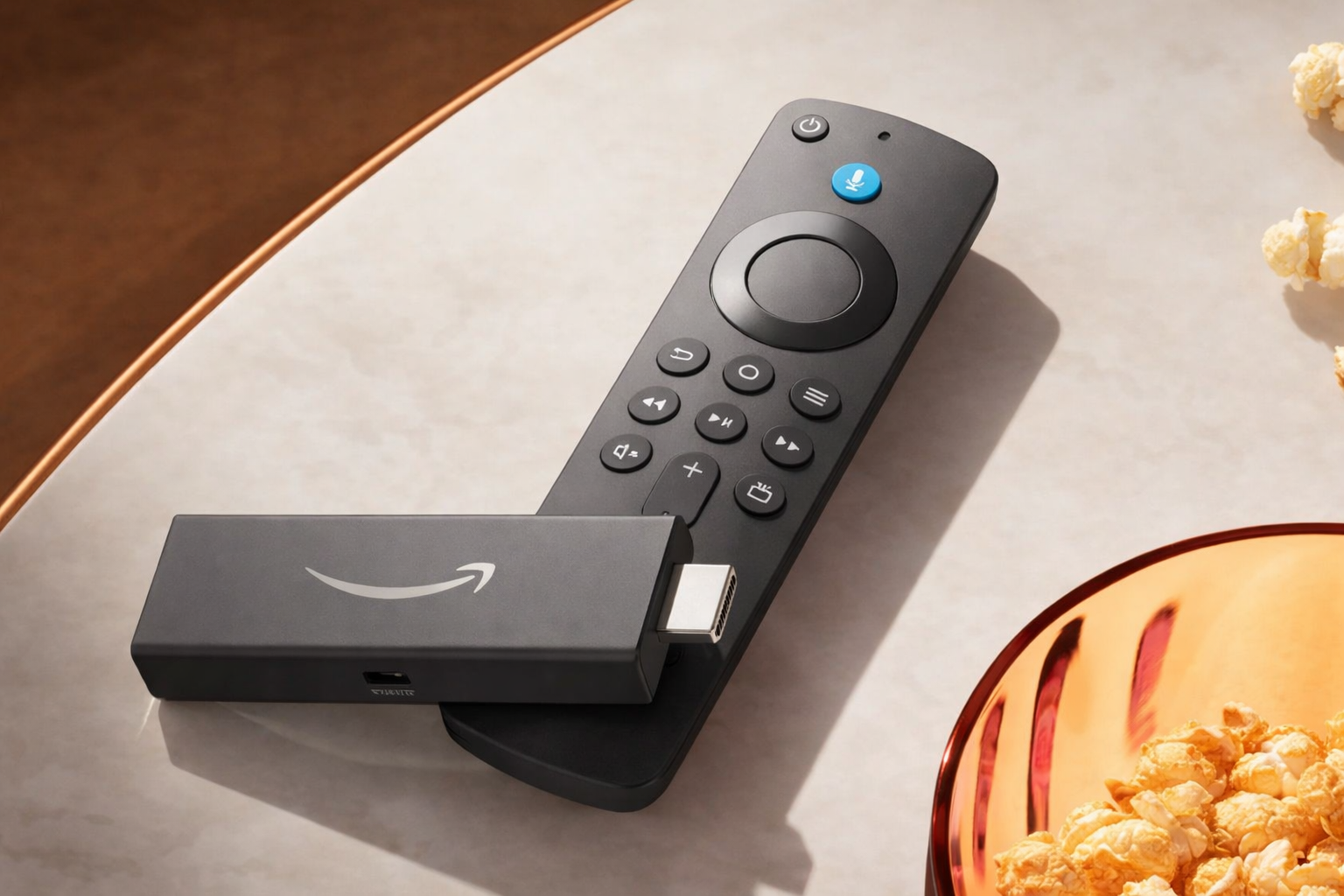
For years, the Amazon Fire TV Stick has been one of the most popular streaming devices on the market. Plug it into your TV’s HDMI port, connect to Wi-Fi, and suddenly your regular television becomes a smart entertainment hub with access to Netflix, Prime Video, YouTube, Disney+, and more.
It was revolutionary when Amazon released the first Fire TV Stick in 2014. However, over ten years have passed, and the streaming market has seen significant change. Nowadays, a lot of people are inquiring:
Do you really need an Amazon Fire TV Stick anymore?
Let’s break it down.
H2: The Rise of Smart TVs Has Changed Everything
One of the biggest reasons the Fire TV Stick is no longer essential is simple: most modern TVs are already smart TVs.
Popular streaming apps are supported by the operating systems that are pre-installed on modern televisions. You don’t need to connect any additional devices to watch your favorite shows on Google TV, Tizen, webOS, or Fire OS.
In fact, Amazon now sells TVs with Fire OS built directly into them under the Amazon Fire TV brand. These TVs offer the same interface and app support as the Fire TV Stick — without the need for a separate dongle.
Several manufacturers, including Toshiba and Hisense, also produce Fire OS-powered TVs. So if your television already runs Fire OS, buying a Fire TV Stick becomes redundant.
H2: Strong Competition from Roku and Other Streaming Devices
Another reason the Fire TV Stick feels less necessary today is the competition.
The Roku Streaming Stick offers nearly identical streaming access at competitive prices. In many cases, Roku devices are even cheaper. While the Fire TV Stick may offer extras like cloud gaming and deeper Alexa integration, most users simply want reliable streaming.
Roku offers the same experience as Netflix, Hulu, YouTube, or Disney+ for the typical viewer.
Yes, Roku does not natively support Twitch, but the Fire TV Stick does. However, that isn’t a deal breaker for a lot of customers.
Additionally, if you currently own a PlayStation or Xbox, your device probably supports the same streaming applications, frequently with reduced input lag for gaming.
H2: Pricing and Value Considerations
Price plays a major role in purchasing decisions.
Roku Streaming Sticks typically range between $29.99 and $49.99. Fire TV Sticks generally fall between $34.99 and $59.99. While the price gap isn’t massive, budget-conscious buyers may lean toward Roku — especially when the core streaming experience is nearly identical.
With smart TVs becoming more affordable and feature-packed, many consumers don’t feel the need to buy an additional streaming dongle.
H2: Where the Amazon Fire TV Stick Still Shines
Despite all this, the Fire TV Stick isn’t completely obsolete. It still serves a purpose — especially in specific situations.
1. Faster Performance Than Built-In TV Software
Even if your TV runs Fire OS, the Fire TV Stick can sometimes offer faster performance thanks to better processing power and more RAM. Built-in smart TV software can feel slow after a few years, while a streaming stick can refresh the experience instantly.
If your smart TV feels sluggish, plugging in a Fire TV Stick can make it feel new again.
2. Portability and Flexibility
One underrated benefit of the Fire TV Stick is portability.
You can unplug it and take it anywhere — hotel rooms, vacation homes, dorm rooms, or even a friend’s house. As long as there’s Wi-Fi and an HDMI port, you have your personalized streaming setup ready to go.
The same portability applies to Roku devices, but it remains a strong use case for streaming sticks in general.
n
If you’re deeply invested in Amazon’s ecosystem, the Fire TV Stick becomes much more attractive.
Each device comes with an Alexa Voice Remote, allowing hands-free control and smart home integration. Through Alexa, you can:
- Control smart lights
- Adjust thermostats
- Check compatible security cameras
- Receive alerts
The Fire TV Stick also integrates with Ring doorbells, allowing you to see and even speak to visitors directly from your TV screen.
For users heavily invested in Alexa-powered devices, this integration can make the Fire TV Stick a smart addition.
H2: Do You Actually Need a Fire TV Stick in 2026?
For most people, the honest answer is no.
If you:
- Already own a modern smart TV
- Use a gaming console for streaming
- Don’t rely heavily on Alexa smart home features
…then buying a Fire TV Stick probably isn’t necessary.
However, it still makes sense if:
- Your TV’s software is slow
- You want a portable streaming solution
- You are fully invested in Amazon’s Alexa ecosystem
- You prioritize faster app loading and performance
H2: Final Verdict — Obsolete or Just Evolving?
The Amazon Fire TV Stick isn’t useless — it’s just no longer essential for most households.
In 2014, it transformed ordinary TVs into smart devices. In 2026, smart functionality comes built-in. The device now fills more of a niche role rather than being a must-have gadget.
If you’re shopping for streaming devices today, consider your setup carefully. In many cases, your TV may already be capable of doing everything a Fire TV Stick can — without spending extra money.
But if you value portability, smart home control, and Amazon integration, it can still be a smart buy.