Millions of Android devices no longer receive security updates, putting nearly 42% of them at risk.
Google Verifies Older Versions of Android 12 Stop Getting Security Patches
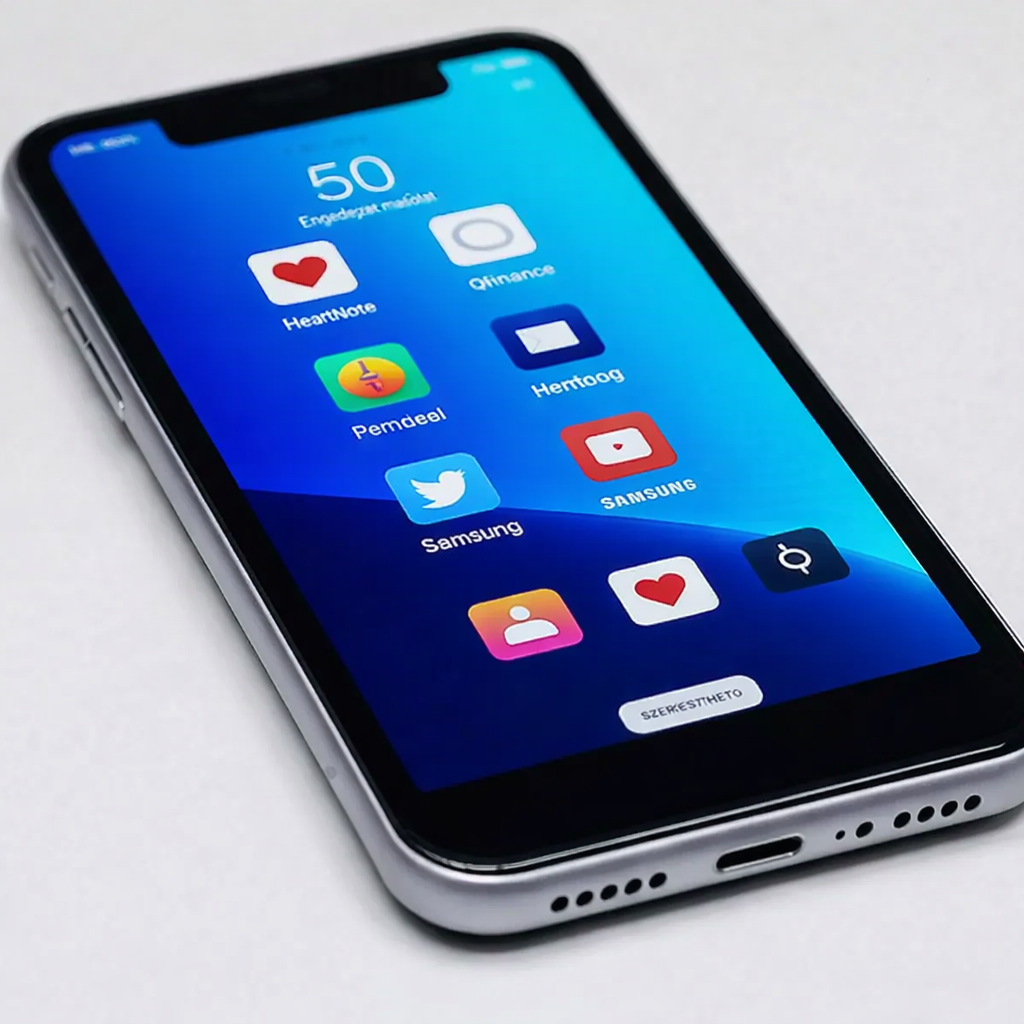
A significant section of the Android ecosystem is now vulnerable to increasing cyber attacks as a result of Google formally confirming that Android devices running Android 12 or older are no longer receiving security upgrades. Only 57.9% of Android smartphones are running Android 13 or later, according to the most recent data, meaning that nearly 42% of phones are essentially frozen without essential security protection.
This indicates that about one billion Android users globally are currently utilizing unsupported software that is more susceptible to sophisticated exploits, malware, and spyware. Among the most severely affected are devices introduced in 2021 or before, and even after years have gone by,
the overall situation has shown little improvement.
Android Fragmentation Continues to Be the Main Security Issue
The security issue with Android is not new nor coincidental. It has its roots in the long-standing fragmentation issue with the platform. Although it creates the Android operating system, Google has little say in how upgrades are distributed to the majority of smartphones outside of its Pixel brand.
Large manufacturers like Vivo, Motorola, Oppo, Xiaomi, and Samsung set the duration of updates for their devices. Even if the hardware remains functional, security support is frequently discontinued after only a few years. Apple’s ecosystem, where strict control over both hardware and software enables older iPhones to receive updates for noticeably longer periods of time, stands in stark contrast to this fragmented updating strategy.
The Data Shows a Broken Pipeline for Updates
The severity of Android’s ongoing update problem is demonstrated by recent adoption statistics. More than four out of ten phones are already outside of Google’s certified security support window, and only 7.5% of Android devices are running the most recent version, Android 16.
Security fixes are no longer available for versions like Android 12 and below, which are still in use by millions of people worldwide. Users are exposed to known vulnerabilities as a result, which hackers can take advantage of. The widening security gap between the two ecosystems is highlighted by the fact that iOS usage is far more concentrated, with the majority of iPhones running the most recent or immediately prior version.
Google’s Suggestion: Replace or Upgrade Unsupported Android Devices
Google’s message to users is straightforward and unambiguous. If you are unable to upgrade your Android 12 or older phone,
It has to be replaced because it cannot be upgraded and is no longer covered by security updates.
Crucially, this does not imply that consumers must buy pricey flagship phones. Compared to earlier premium models that are still using out-of-date software, modern mid-range Android handsets running Android 13 or later continue to receive monthly security patches and provide significantly greater protection.
The Reasons Google Play Protect Is Insufficient
Google Play Protect is unable to install missing system-level security upgrades, even if it still offers malware detection for Android 7 and later devices. Blocking sophisticated exploits that work deep into the operating system requires these updates.
In their absence, attackers can: • Take advantage of login credentials
Message intercepting and two-factor authentication
• Use applications for trading, banking, or payments.
• Keep an eye on activities using spyware
Being safe in the modern digital world is now necessary, not optional.