AI-Powered Smartphone with Robotic Arm and 200MP Gimbal Camera
Innovation advanced dramatically at this year’s Mobile World Congress when Honor unveiled its futuristic Robot Phone, a smartphone featuring a 200-megapixel gimbal camera and an articulating robotic arm. The idea, dubbed “a new species of smartphone,” pushes the limits of what mobile devices are capable of by combining artificial intelligence with physical motion.
The Honor Robot Phone, which is scheduled for release in late 2026, signifies a move away from screen-based engagement and toward what the firm refers to as “embodied AI interaction.” It’s more than just an AI-enabled smartphone; it’s a gadget made to move, respond, and communicate.
A Smartphone with a Robotic Arm and 4DoF Gimbal Camera
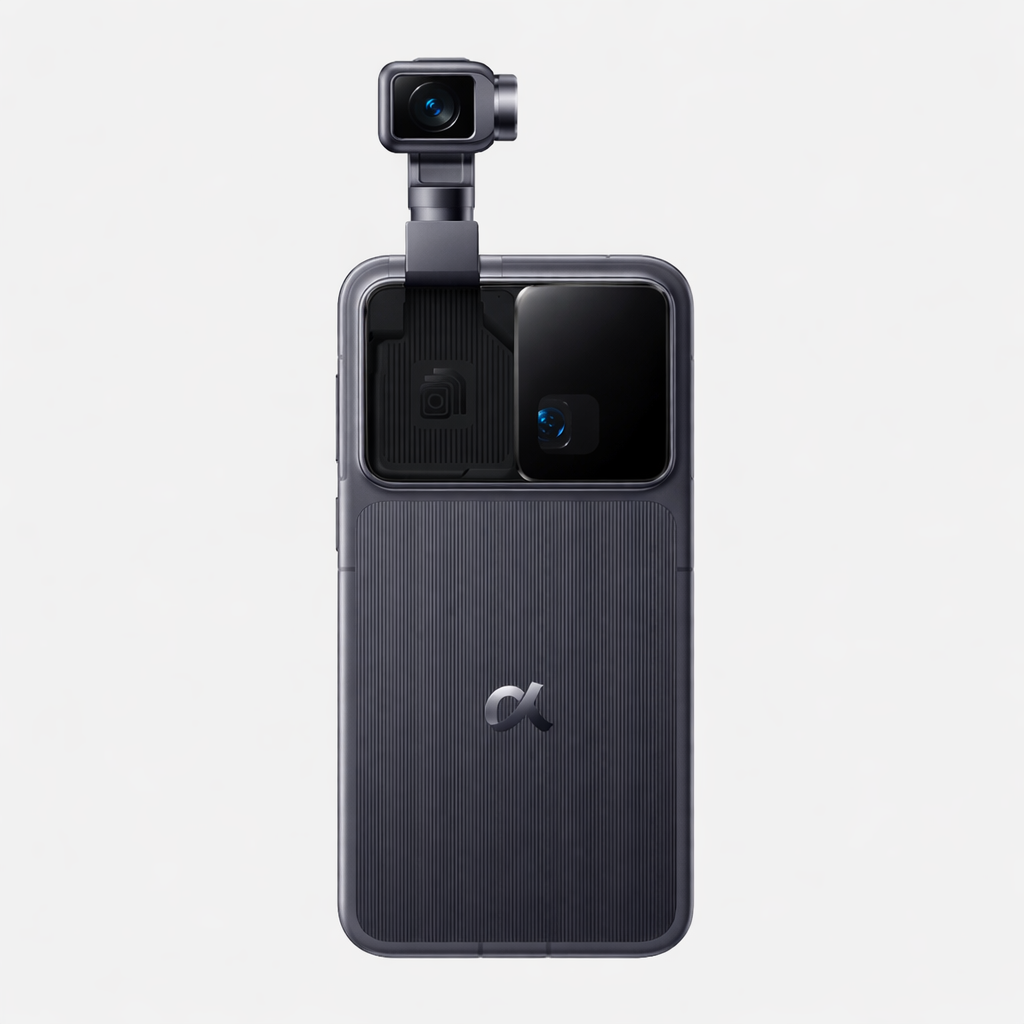
The most striking feature of the Honor Robot Phone is its motorized robotic arm, concealed within the rear camera module when not in use. Topped with a gimbal-based 200MP camera, the system allows the phone to pan, tilt, rotate, and stabilize footage in real time.
Honor refers to this as a 4DoF (Four Degrees of Freedom) system, combining three-axis gimbal stabilization with additional movement from the robotic arm. The result? Professional-grade video recording directly from a smartphone.
With this setup, users can capture:
- Smooth cinematic rotating shots
- Stable recordings while walking
- AI-powered motion tracking
- Video calls that follow users around the room
- In order to preserve the lens and enable photography in retracted mode, the robotic arm is concealed beneath a sliding cover with a transparent window. Despite its sophisticated mechanics, this ingenious architecture maintains the device nearly the same size as a typical smartphone.
AI That Moves, Reacts, and Expresses Personality
Beyond content creation, the Robot Phone aims to redefine AI smartphone interaction. Honor describes the device as giving smartphones not just a “brain,” but also “hands and feet.” Instead of responding only through voice or screen prompts, the AI assistant can physically express itself through movement.
In preview demonstrations, the camera module appeared to “look around” in curiosity, nod in agreement, shake its head, and even “dance” at a party. This concept of Embodied AI transforms the phone into a more human-like companion.
The built-in AI can:
- Identify environmental sounds
- Track motion
- Maintain visual awareness
- Adjust framing automatically
This creates a more immersive, intuitive experience — especially during video calls, vlogging, and smart photography.
Part of Honor’s Vision for Augmented Human Intelligence (AHI)
The Robot Phone fits into Honor’s broader strategy called Augmented Human Intelligence (AHI) — a human-centric approach to artificial intelligence. Rather than replacing users, AHI enhances natural interaction through smarter and more responsive devices.
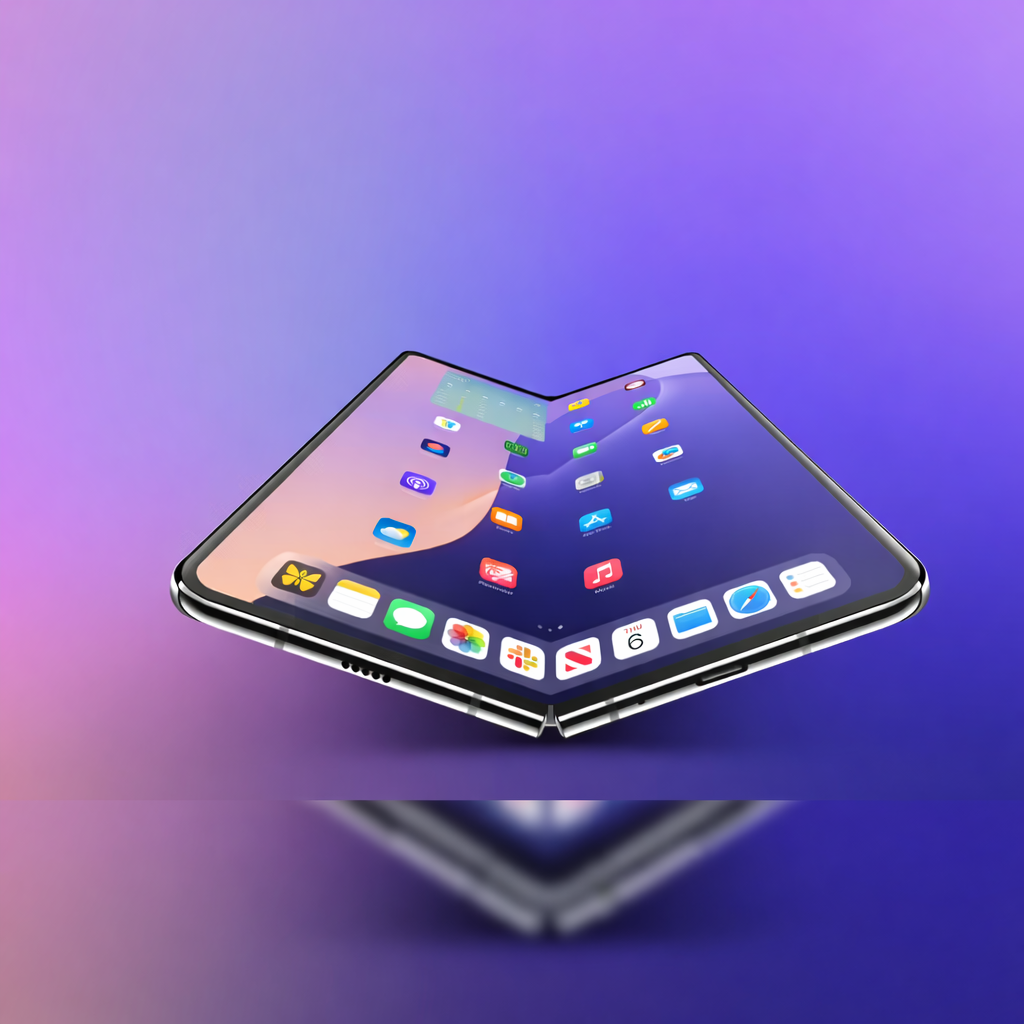
Founded in 2013 and formerly a subsidiary of Huawei, Honor has gained global recognition for its foldable smartphones. The engineering expertise developed in foldable devices directly influenced the Robot Phone’s compact motor system and mechanical precision.
At MWC, Honor also showcased its ultra-thin foldable, the Honor Magic V6, reinforcing the brand’s reputation for hardware innovation.
A Glimpse Into the Future of AI Smartphones
The Honor Robot Phone signals a new era in AI-powered smartphones, merging robotics, high-resolution camera technology, and human-like interaction. By combining advanced gimbal stabilization, motion tracking, and expressive AI, Honor is challenging traditional smartphone design.
If successfully launched in 2026, the Robot Phone could reshape expectations around smartphone cameras, AI assistants, and interactive mobile technology. It’s not just about smarter software anymore — it’s about giving technology the ability to move, see, and respond like never before.