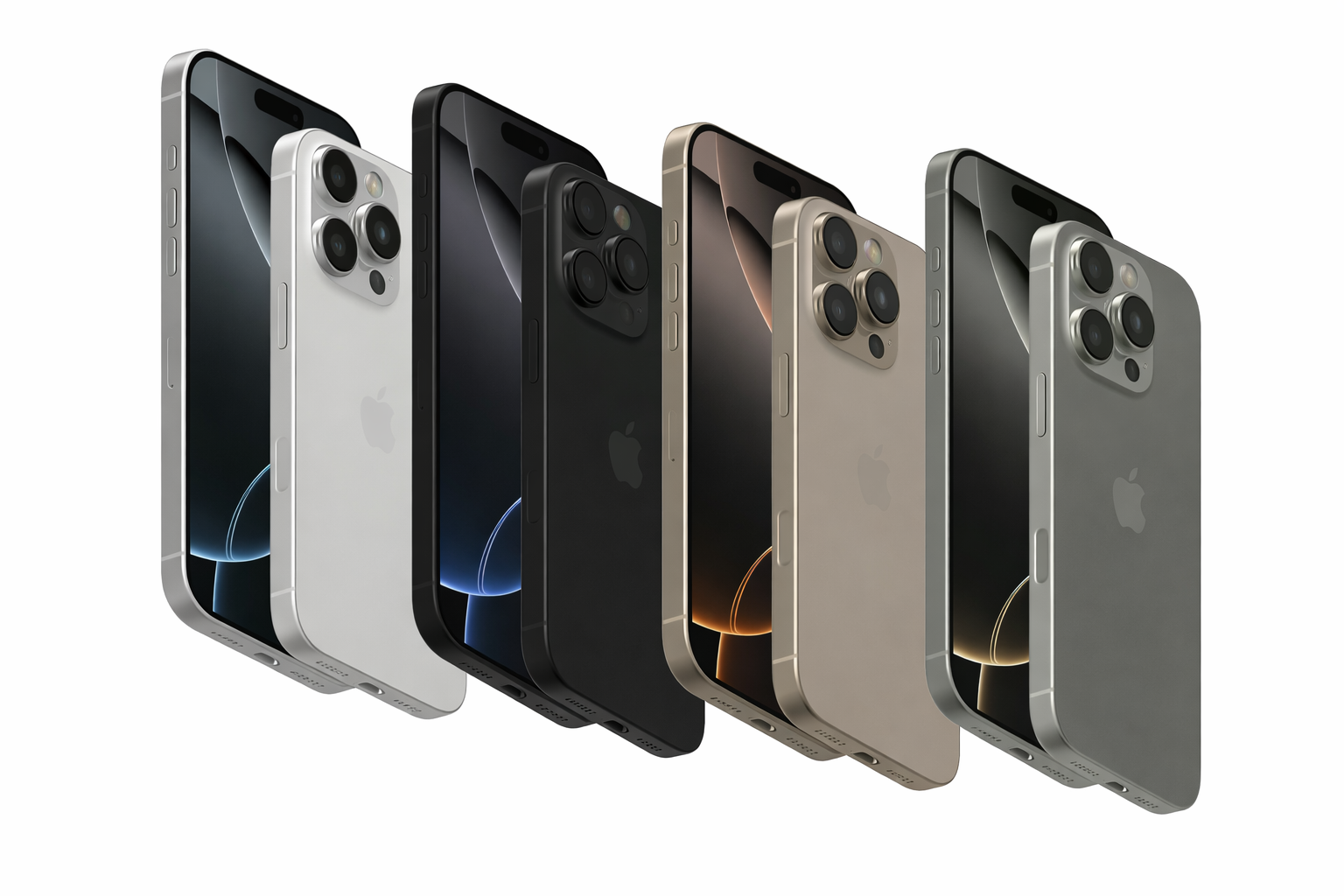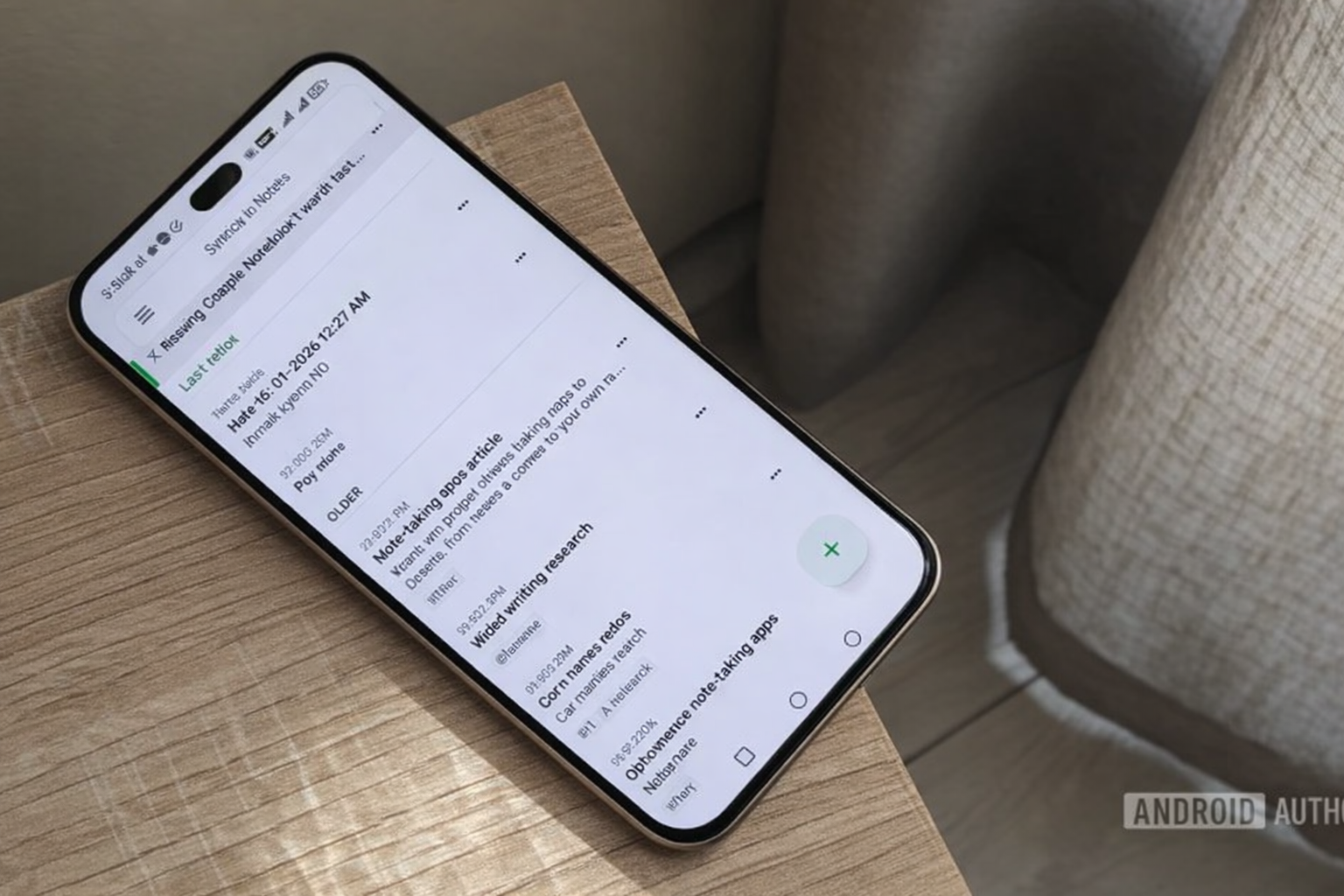
Why iPhone Fold Could Revive the Wide Foldable Form Factor That Pixel Fold Couldn’t Sustain
Over the past few years, the market for foldable smartphones has grown significantly. Foldables have the potential to completely change the way we use smartphones, from high-end flagship devices to future prototypes. However, the Android ecosystem ultimately settled on two prominent designs—tall, book-style foldables and clamshell flip phones—despite early testing.
Now, as the highly anticipated iPhone Fold approaches, Apple appears ready to revive a wider foldable design that Android brands like Google and Oppo once explored — but ultimately abandoned. The big question is: can Apple succeed where even the Pixel Fold struggled?
Let’s break it down.
The Foldable Form Factor We Lost
In the early days of foldable phones, brands experimented with multiple shapes and sizes.
Samsung’s Galaxy Z Fold lineup popularized the tall and narrow outer display that unfolds into a vertically oriented inner screen. Meanwhile, some brands experimented with outward-folding designs or wider front displays.
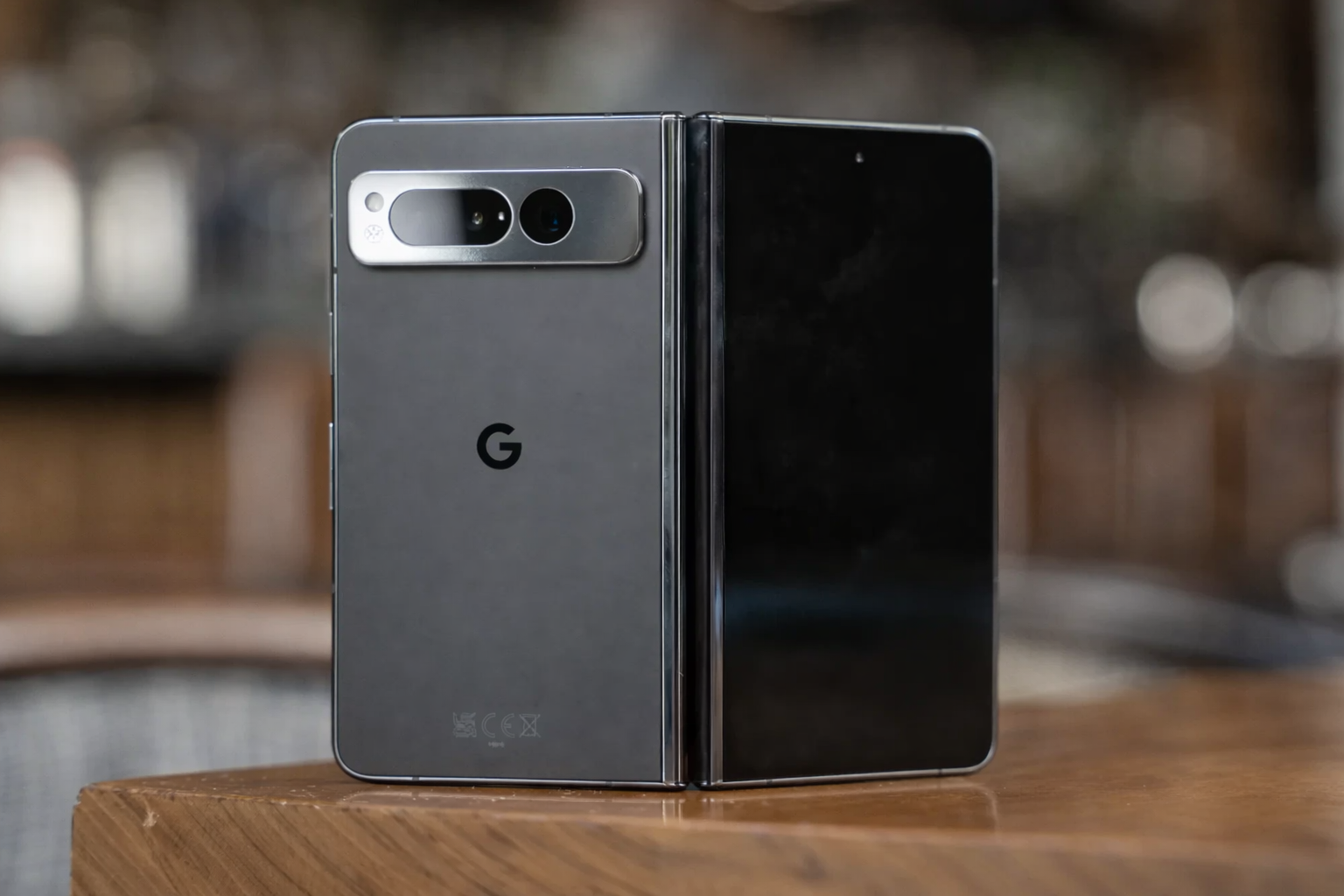
One standout was the Pixel Fold, which adopted a short, wide outer display that unfolded into a broader, tablet-like inner screen. Inspired by earlier devices like Oppo’s Find N series, this “passport-style” design felt more natural when folded and more tablet-like when opened.
The concept of a smartphone that actually changed into a little tablet seemed appealing. The wider aspect ratio provided a broader horizontal canvas for multitasking and enhanced the immersiveness of media consumption.
But despite the innovation, the design didn’t last.
Why the Pixel Fold Form Factor Struggled
The issue wasn’t hardware. In fact, the Pixel Fold delivered a premium build and an excellent display experience. The real challenge came down to something far more critical in today’s smartphone ecosystem:
Apps.
While many Android apps perform well on larger screens, they often struggle with unusual aspect ratios. A wide-but-not-quite-tablet display created inconsistencies:
- Apps that weren’t optimized looked stretched or awkward.
- Layouts designed for portrait smartphones didn’t adapt cleanly.
- Some third-party apps became difficult to use in landscape-heavy layouts.
At the time, Android app developers hadn’t fully embraced adaptive UI design for foldables. As a result, Google eventually shifted its strategy toward a taller, more conventional foldable format in later models.
In short, the technology was ahead of the ecosystem.
Samsung’s Approach: Playing It Safe
While Google experimented, Samsung Electronics stayed consistent with its tall Galaxy Z Fold design. Though criticized for its narrow outer display, this approach proved more compatible with existing Android apps.
Why?
Because programs can more easily scale into a taller inner screen, even if it’s slightly square. Horizontal layout restrictions are frequently the cause of apps’ difficulties on huge screens. Samsung made transition easier with its portrait-oriented canvas.
Android’s foldable optimization became better over time. However, the industry was formed by early discrepancies, which forced brands to take the safer path.
Enter the iPhone Fold: A Different Ecosystem Advantage
Now comes Apple.
According to multiple leaks and reports, the upcoming iPhone Fold will reportedly feature a 5.3-inch outer display and a 7.7-inch inner screen — bringing back that wider foldable form factor.
The concept is clear: an iPhone that unfolds into something closer to an iPad experience.
Unlike Android brands, Apple has one major advantage:
Control Over the App Ecosystem
On Android, device makers often build hardware around existing apps. On iOS, the dynamic tends to reverse — developers adapt to Apple’s hardware decisions.
Historically, when Apple introduces a new screen size or form factor, developers move quickly to optimize their apps. We’ve seen this with:
- Larger iPhone displays
- iPad multitasking features
- Dynamic Island integration
If Apple launches a wide foldable design, developers are likely to prioritize compatibility almost immediately. That could eliminate the very problem that slowed the Pixel Fold.
Why Timing Matters in the Foldable Market
Another key difference: timing.
When the Pixel Fold launched, Android’s adaptive UI push was still evolving. Today, both Android and cross-platform frameworks are far more mature. Developers are increasingly building flexible layouts for multiple screen sizes, including foldables, tablets, desktops, and even smart glasses.
This means the market is better prepared now than it was just a few years ago.
If Apple enters with a refined wide-foldable design, it may arrive at precisely the right moment.
The Competitive Ripple Effect
Apple’s entry into any product category rarely goes unnoticed.
Reports suggest that several Android brands are already exploring similar wide foldable designs again. Ironically, companies that initially moved away from the passport-style layout are now reconsidering it — largely due to Apple’s rumored strategy.
This highlights a recurring pattern in the tech industry:
When Apple adopts a concept, it often becomes mainstream.
Can iPhone Fold Truly Revive Wide Foldables?
The foldable smartphone market remains niche compared to traditional flagship phones. Producing multiple foldable variants every year may not be sustainable for most brands.
However, the iPhone Fold could change the equation for three key reasons:
- Stronger app ecosystem enforcement
- Better timing in UI adaptability
- Consumer trust in Apple’s hardware-software integration
The wide foldable form factor was never a bad idea. It simply arrived before the software ecosystem was ready.
If Apple successfully delivers a seamless iPhone-to-iPad experience in a single device, it may prove that the design wasn’t flawed — just early.
Final Thoughts
Foldable phones opened the door to a new era of mobile innovation. Yet experimentation eventually gave way to safe, predictable designs. The Pixel Fold demonstrated the potential of a wider foldable format, but app compatibility held it back.
Now, the iPhone Fold could bring that idea back — this time with the full force of Apple’s ecosystem behind it.
Whether it reshapes the foldable smartphone market or simply sparks another wave of competition, one thing is certain: the next chapter of foldables is about to get very interesting.