Your Next Smartphone Needs LOFIC Sensor Technology to Fix Blown-Out Sunset Photos
Photography on smartphones has advanced significantly. With today’s flagship phones, you can capture everything from simple point-and-shoot photos to DSLR-style portraits.
Brands like Xiaomi and Huawei are already pushing mobile camera hardware to new heights. But while AI features and megapixel counts often steal the spotlight, the real revolution is happening deep inside the camera sensor itself.
A new technology called LOFIC is quietly transforming how smartphones handle light — and it could finally stop your sunset photos from looking washed out.
What Is LOFIC and Why Does It Matter?
LOFIC stands for Lateral Overflow Integration Capacitor. It might sound technical, but its purpose is simple: improve dynamic range in smartphone cameras.
The ability of a camera to catch both extremely bright highlights and extremely black shadows in a single image is known as dynamic range. The limitations of dynamic range are evident if you’ve ever taken a sunset photo when the foreground is entirely dark or the sky is bright white.
Traditional smartphone sensors struggle here because they rely on a single “charge well” inside each pixel to collect light. Once that well fills up, bright areas become overexposed and lose detail. To compensate, phones use HDR (High Dynamic Range) software, which captures multiple images at different exposures and merges them.
While HDR works well in many situations, it can create ghosting, motion blur, or unnatural-looking results — especially when subjects move.
LOFIC changes that at the hardware level.
How LOFIC Improves Smartphone Camera Performance
Instead of relying on one charge well per pixel, LOFIC adds extra overflow capacitors. Think of them as backup containers. When the primary well fills up in bright conditions, excess light spills into a secondary capacitor instead of being clipped.
This allows the sensor to:
Preserve highlight details (like the sun and clouds at sunset)
Maintain shadow detail without excessive noise
Reduce blown-out bright areas
Capture more natural contrast in a single exposure
Unlike traditional HDR, LOFIC works within a single frame, meaning better motion handling and fewer artifacts.
LOFIC vs HDR vs Dual-ISO: What’s the Difference?
Modern smartphones typically rely on two main techniques to improve dynamic range:
1. Software HDR
Combines multiple exposures
Can struggle with moving subjects
Relies heavily on processing power
2. Dual-ISO (Dual Conversion Gain)
Reads one exposure at two gain levels
Improves dynamic range
Limited to two stages of optimization
LOFIC goes further by physically expanding how much light each pixel can measure. This leads to:
Better highlight retention
Cleaner shadow detail
Lower noise in dark areas
More accurate colors in high-contrast scenes
In technical terms, traditional smartphone HDR systems achieve around 60–90 dB of dynamic range. Advanced LOFIC sensors, such as OmniVision’s 1-inch models, are rated close to 110 dB at the sensor level — a significant improvement.
Real-World Benefits: Better Sunset and Night Photos
So what does this mean for everyday users?
Imagine photographing a city skyline at sunset. With older sensors, you might see:
Overexposed skies
Washed-out clouds
Crushed shadow detail in buildings
With LOFIC-enabled cameras, the sensor can preserve the color gradients in the sky while still capturing detail in darker foreground elements.
The same applies to:
Night cityscapes with bright streetlights
Indoor photos with window backlighting
High-contrast portraits
Video recording in challenging lighting
Because LOFIC operates at the hardware level, it also improves smartphone video dynamic range, making footage look more cinematic and less artificially processed.
Which Phones Use LOFIC Technology?
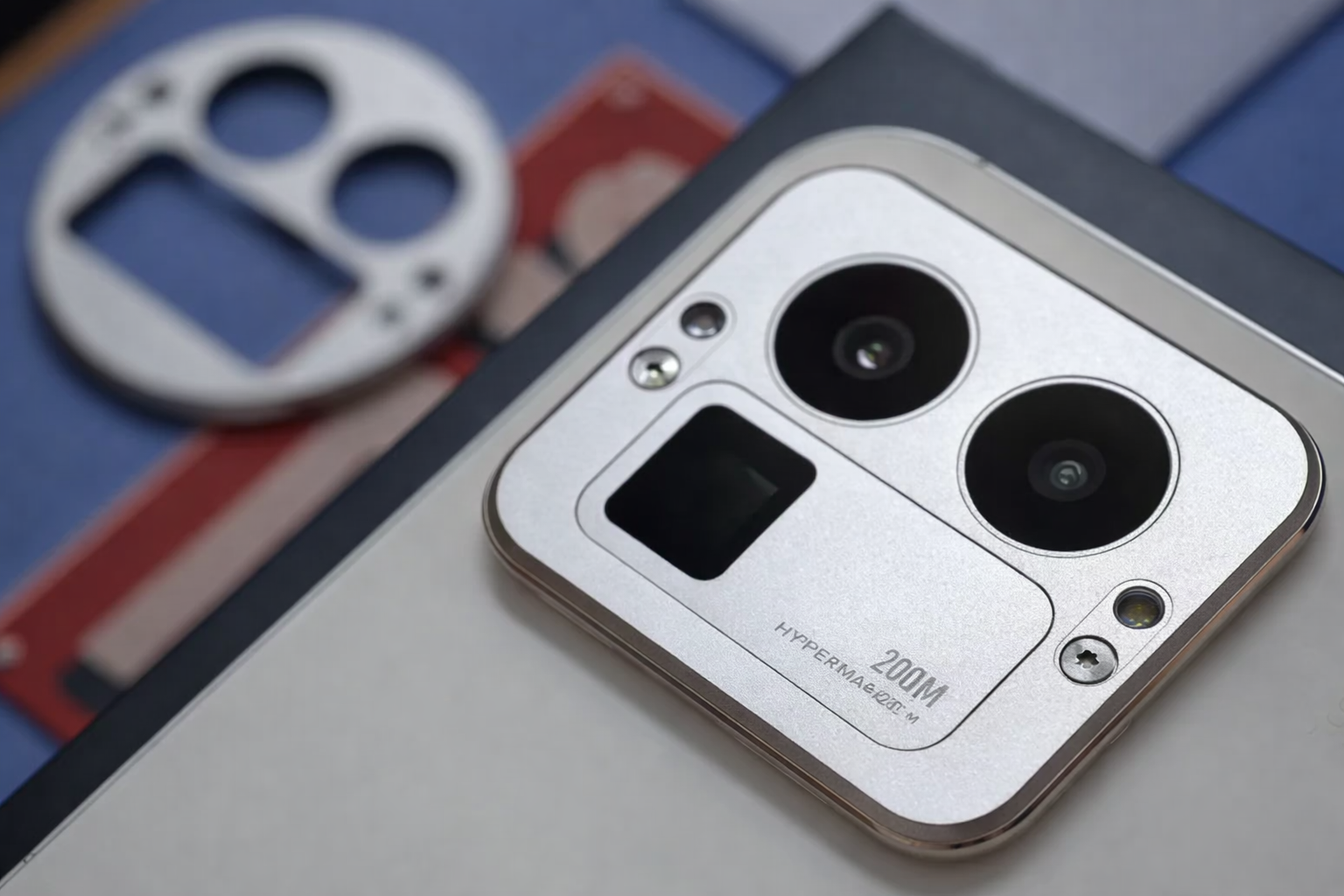
Currently, LOFIC is found in high-end flagship devices like the Xiaomi 17 Ultra and the Huawei Pura 80 Ultra. These phones feature large sensors that benefit from the additional capacitor design.
However, mainstream brands such as Apple, Google, and Samsung have not yet widely adopted this technology.
That may change soon as demand for better low-light performance and improved HDR photography continues to grow.
Are There Any Limitations?
LOFIC is not without trade-offs. Adding overflow capacitors increases sensor complexity and manufacturing costs. It can also impact:
Power consumption
Heat management
Physical sensor size
Currently, LOFIC appears primarily in larger 1-inch smartphone sensors, which are already premium components. Smaller sensors — such as those used in selfie cameras or telephoto zoom modules — have yet to fully benefit from this design.
Still, as the technology matures, it could expand into more compact modules.
The Future of Smartphone Camera Technology
Smartphone photography is entering a new phase. For years, improvements focused heavily on AI processing and computational tricks. Now, hardware innovation is catching up.
LOFIC represents a major step toward closing the gap between smartphones and professional mirrorless cameras. By expanding sensor-level dynamic range, it reduces reliance on aggressive tone mapping and multi-frame HDR processing.
In the coming years, we may see:
More natural-looking HDR photos
Cleaner low-light video
Improved highlight roll-off
Professional-grade dynamic range in pocket devices
If you care about smartphone photography — especially sunset shots, night photography, or cinematic video — LOFIC is a technology worth watching.
The next time you shop for a flagship phone, don’t just look at megapixels or AI features. Check the sensor specifications. Because the future of mobile photography may not be about more software — it might be about smarter hardware.