Artemis III Shifted to Low-Earth Orbit Test Mission Before 2028 Moon Landing
Artemis III to Focus on Spacecraft Docking and Systems Testing in 2027
NASA has announced a major update to its Artemis program, reshaping the roadmap for America’s return to the Moon. Instead of attempting a lunar landing, the upcoming Artemis III mission will now conduct critical spacecraft testing in low-Earth orbit (LEO) in 2027. The decision is part of a broader strategy to improve mission readiness, increase launch frequency, and strengthen long-term lunar exploration goals.
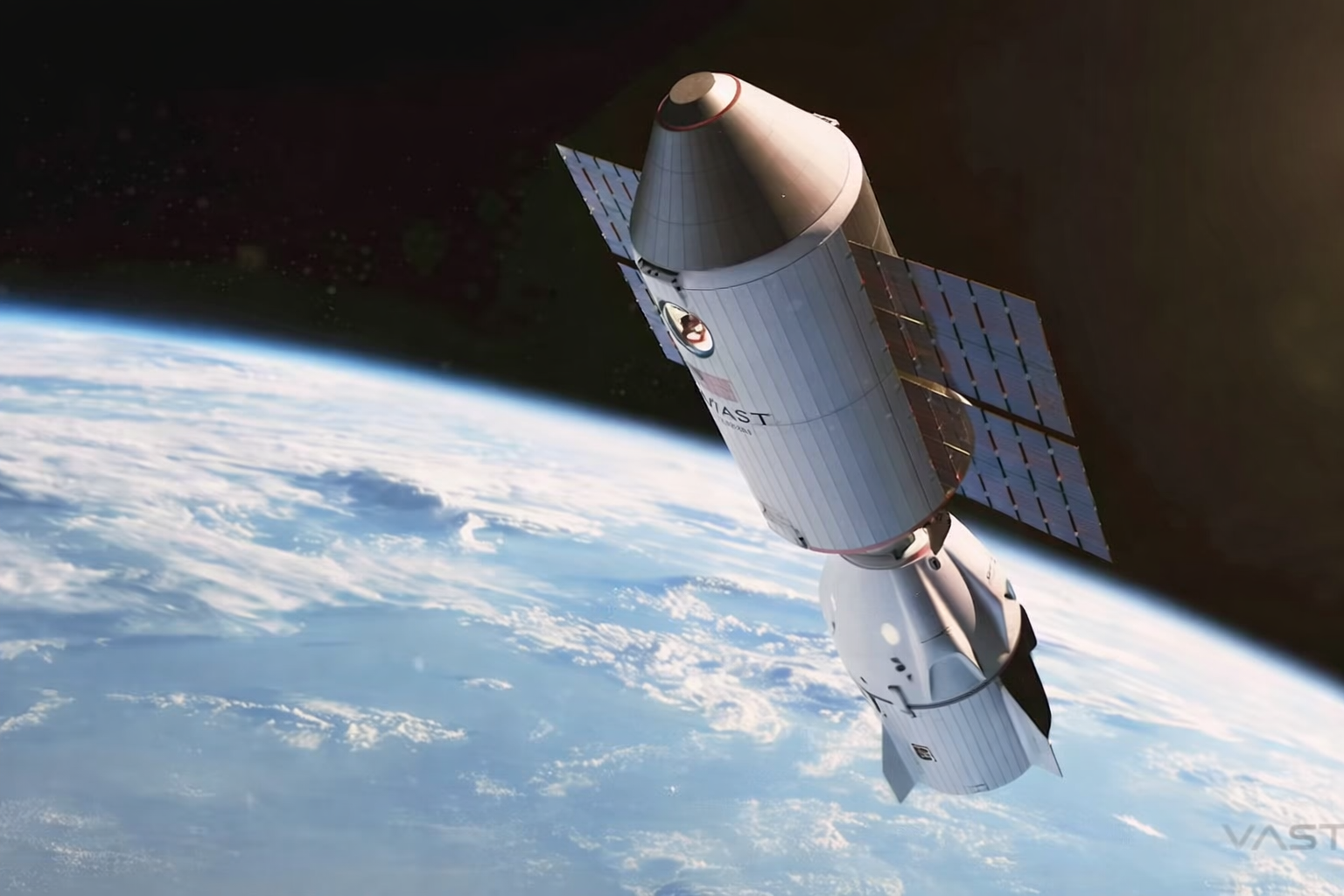
NASA Administrator Jared Isaacman confirmed that Artemis III will focus on a docking test in low-Earth orbit. The mission will attempt to rendezvous with one or both contracted lunar landers developed by SpaceX and Blue Origin. Rather than heading straight to the Moon, astronauts will test integrated systems, including docking procedures, spacecraft performance, and potentially even extravehicular activity (EVA) operations.
Isaacman claims that a deep-space program cannot be sustained by launching once every three years. Reduced operational efficiency, employee churn, and skill degradation are all risks associated with infrequent launches. NASA intends to retain technical proficiency and operational momentum by raising the launch cadence, maybe to once a year or even every ten months.
Artemis II Still on Track for Lunar Flyby
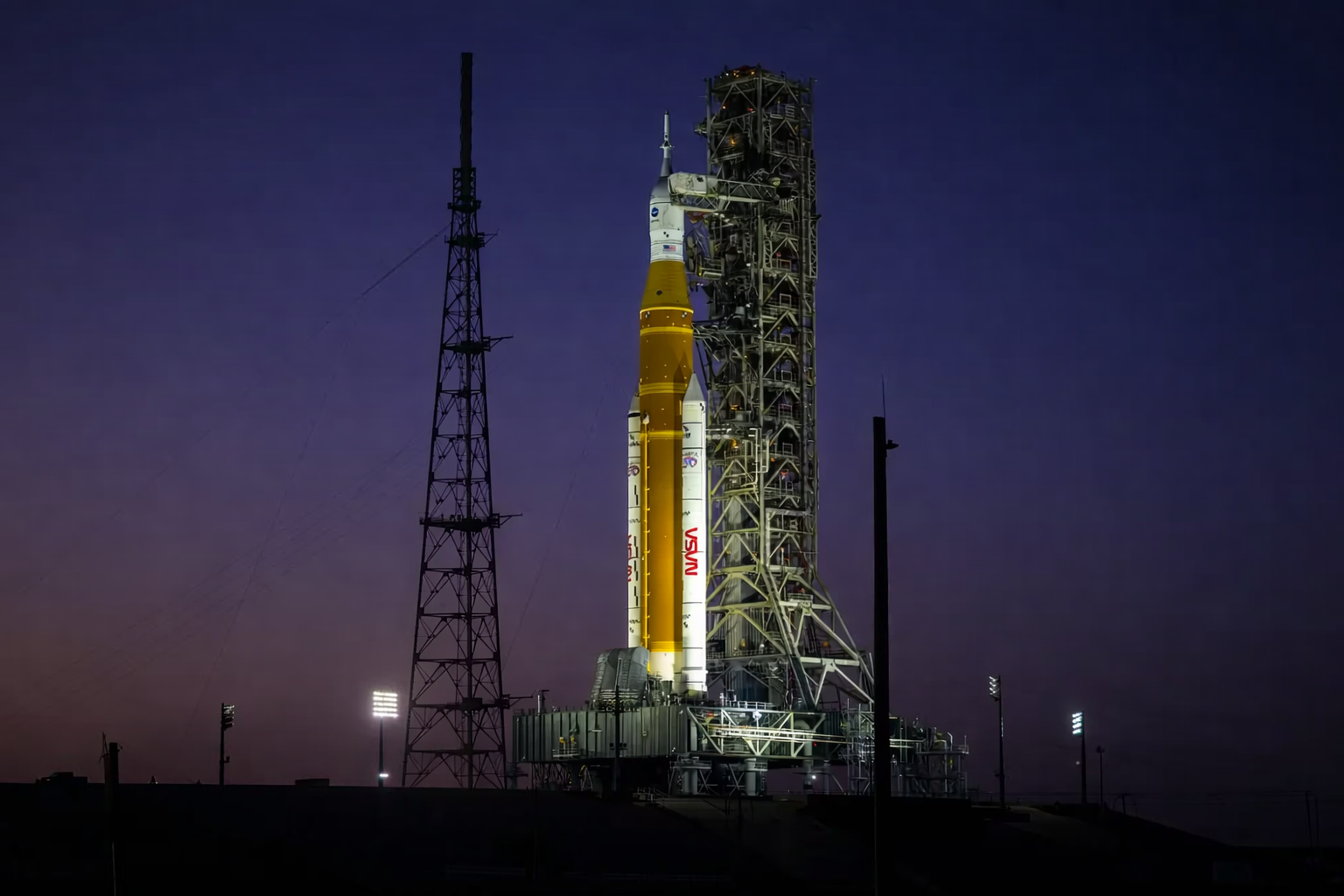
While Artemis III’s mission profile has changed, Artemis II remains on schedule. NASA recently rolled the rocket back to the Vehicle Assembly Building (VAB) to resolve technical issues, but the agency still aims to launch the crewed lunar flyby mission in early April. The mission will carry Canadian Space Agency astronaut Jeremy Hansen alongside NASA astronauts Reid Wiseman, Christina Koch, and Victor Glover.
The updated Artemis approach mirrors NASA’s historical strategy during the Mercury, Gemini, and Apollo eras. Before achieving the historic Apollo 11 Moon landing, NASA conducted multiple incremental missions to test spacecraft systems, astronaut procedures, and mission safety.
By conducting low-Earth orbit tests first, NASA can validate key components such as lunar landing systems, astronaut suits, and Orion spacecraft integration under controlled conditions. This step-by-step method reduces risk before committing astronauts to a lunar surface mission.
Despite the shift, NASA remains committed to landing humans on the Moon in 2028. The revised Artemis mission plan reflects a more strategic and sustainable pathway toward long-term lunar exploration and eventually, human missions to Mars.