Date, Visibility Map, Timings & How to Watch Safely
A spectacular “ring of fire” solar eclipse will mark the first eclipse of 2026 — but only a small fraction of the world will witness it in person. According to astronomical calculations, just about 2% of Earth’s population will be positioned along the narrow path where the dramatic ring effect becomes visible.
This rare celestial event, known as an annular solar eclipse, promises breathtaking views for observers in parts of Antarctica, southern Africa, and South America. Here’s everything you need to know about the January 2026 ring of fire eclipse — including where it will be visible, exact timings, how to watch safely, and what other major sky events are coming soon.
What Is a “Ring of Fire” Solar Eclipse?
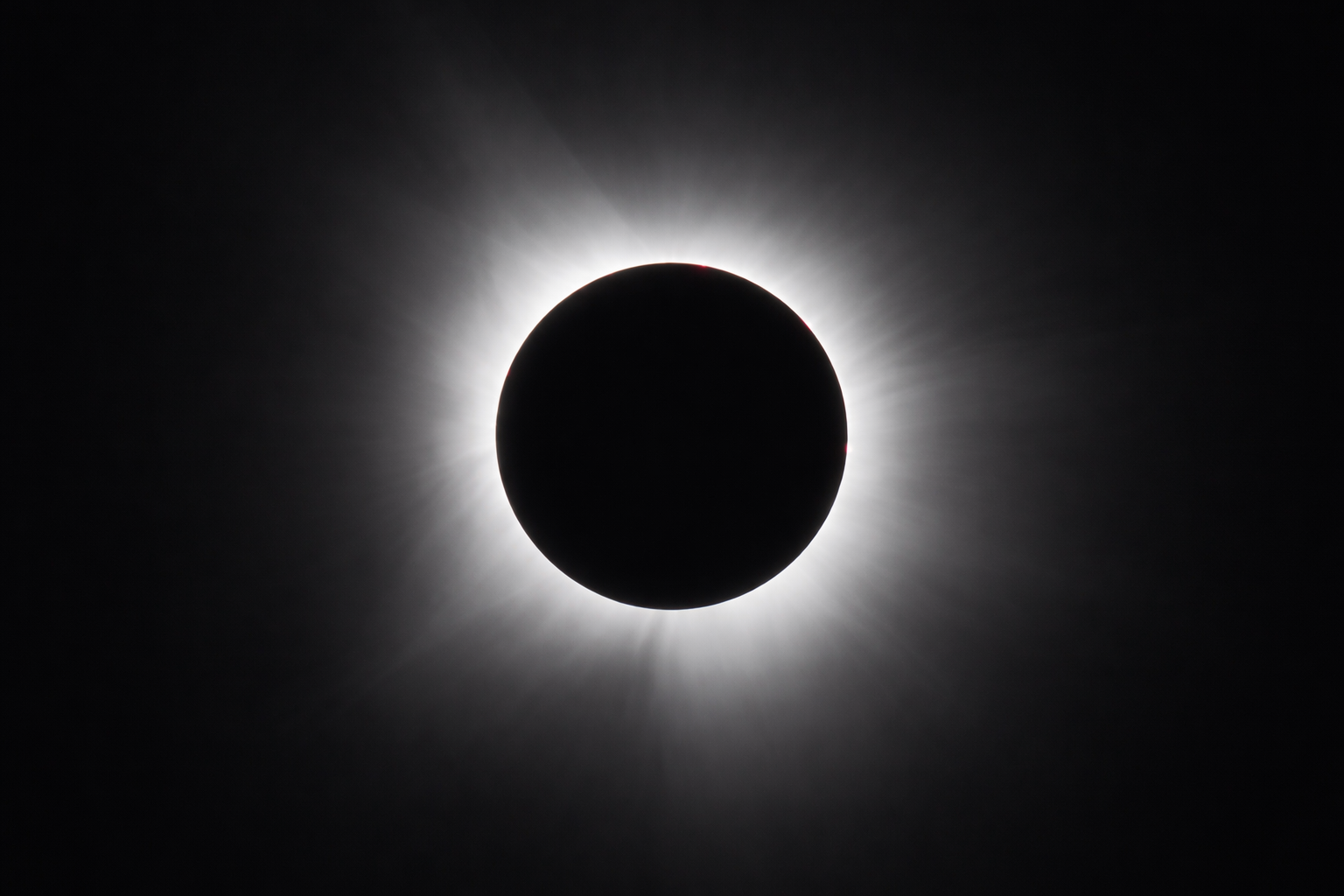
When the Moon is too far away in its orbit to totally obscure the Sun’s disk, it can pass directly between Earth and the Sun, causing a ring of fire eclipse.
NASA analysts say this alignment makes the Moon’s black shadow surrounded by a luminous circle of sunlight. The Moon cannot completely conceal the Sun because it appears to be a little smaller in the sky at that distance, leaving a bright ring of light in its place.
This is different from:
- Total Solar Eclipse – The Moon completely blocks the Sun.
- Partial Solar Eclipse – The Sun, Moon, and Earth are not perfectly aligned, so only part of the Sun is covered.
In an annular eclipse, there is never a moment when it is safe to look directly at the Sun without protection.
Where Will the 2026 Ring of Fire Eclipse Be Visible?
The most dramatic “ring of fire” effect will be visible over a narrow path crossing:
- A sliver of Antarctica
- Parts of southern Africa
- Portions of South America
The best viewing location will be near Concordia Station, Antarctica.
Eclipse Timings at Concordia Station
According to Time and Date:
- Begins: 6:48 p.m. local time (6:42 a.m. ET)
- Peak Annularity: 7:47 p.m. local time (7:12 a.m. ET)
- Duration: Approximately 2 hours
Meanwhile:
- Argentina and Chile will see a partial eclipse starting around 7 a.m. local time.
- Southern Africa will experience the partial eclipse during early to mid-afternoon.
The Moon’s shadow will carve a path roughly 383 miles (616 km) wide and 2,661 miles (4,282 km) long across Earth.
Because the path of annularity is so narrow, most people worldwide will need to watch via livestream.
Why Are Annular Eclipses So Rare?
Annular eclipses occur roughly every one to two years, but they are rarely visible from densely populated regions.
The next annular eclipse after this one will occur on February 6, 2027, and will be visible across larger parts of South America and Africa. For observers in the United States, the next opportunity to see a ring of fire eclipse won’t come until 2039.
Astronomers refer to eclipse groupings as “eclipse seasons.” A solar eclipse is always accompanied by a lunar eclipse about two weeks before or after. This January annular eclipse begins a new eclipse season, with a total lunar eclipse following on March 3, 2026.
What to Expect During the Ring of Fire Eclipse
If you’re lucky enough to see it, here’s how the experience unfolds:
1. Partial Phase Begins
The Moon slowly appears to take a “bite” out of the Sun.
2. Light Changes
As coverage increases (around 80%):
- Shadows sharpen dramatically
- Edges lose their usual fuzziness
- The surrounding light dims
- Shadows may appear curved
3. Annularity (Peak Moment)
The Moon sits directly in front of the Sun, forming the iconic glowing ring.
If viewed through proper eclipse glasses, you may notice unusual circular shadow patterns on the ground — a surreal visual effect unique to solar eclipses.
How to Watch the 2026 Solar Eclipse Safely
Never look directly at the Sun without proper eye protection.
Because the Sun is never fully covered during an annular eclipse, it is unsafe to view without certified protection.
Safe Viewing Options
ISO-certified eclipse glasses
Handheld solar viewers
Pinhole projector (DIY method)
How to Make a Pinhole Projector
- Make a small hole in a piece of cardboard.
- Stand with your back to the Sun.
- Allow sunlight to pass through the hole.
- Observe the projected image on a flat surface.
You’ll see the crescent — or even the ring — projected safely.
Regular sunglasses are not safe enough for eclipse viewing.
Other Major Celestial Events in 2026
The ring of fire eclipse is just the beginning. The 2026 sky calendar is packed with incredible astronomical events.
February 28, 2026 – Planet Parade
Six planets will align in the night sky.
Visible to the naked eye (weather permitting):
- Mercury
- Venus
- Saturn
- Jupiter
With binoculars or a telescope:
- Uranus
- Neptune
March 3, 2026 – Total Lunar Eclipse (Blood Moon)
A dramatic blood moon will be visible across:
- Asia
- Australia
- The Pacific Islands
- The Americas
This will be the last total lunar eclipse visible from North America until 2028, making it a must-watch event.
Major Meteor Showers in 2026
According to the American Meteor Society, here are peak dates for meteor activity:
- Lyrids: April 21–22
- Eta Aquariids: May 5–6
- Southern Delta Aquariids: July 30–31
- Alpha Capricornids: July 30–31
- Perseids: August 12–13
- Orionids: October 21–22
- Southern Taurids: November 4–5
- Northern Taurids: November 11–12
- Leonids: November 16–17
- Geminids: December 13–14
- Ursids: December 21–22
Final Thoughts: A Rare but Unforgettable Sky Event
The 2026 ring of fire solar eclipse is a reminder of how precise cosmic geometry can create extraordinary beauty in our skies. While only a small portion of the world will experience the annular phase in person, modern livestreams ensure everyone can still share in the moment.
Whether you’re planning to watch from Antarctica, South America, southern Africa — or online — make sure you prepare safely and mark your calendar for the other major celestial events coming this year.
The sky in 2026 won’t disappoint.