What Occurred and Why It Is Important
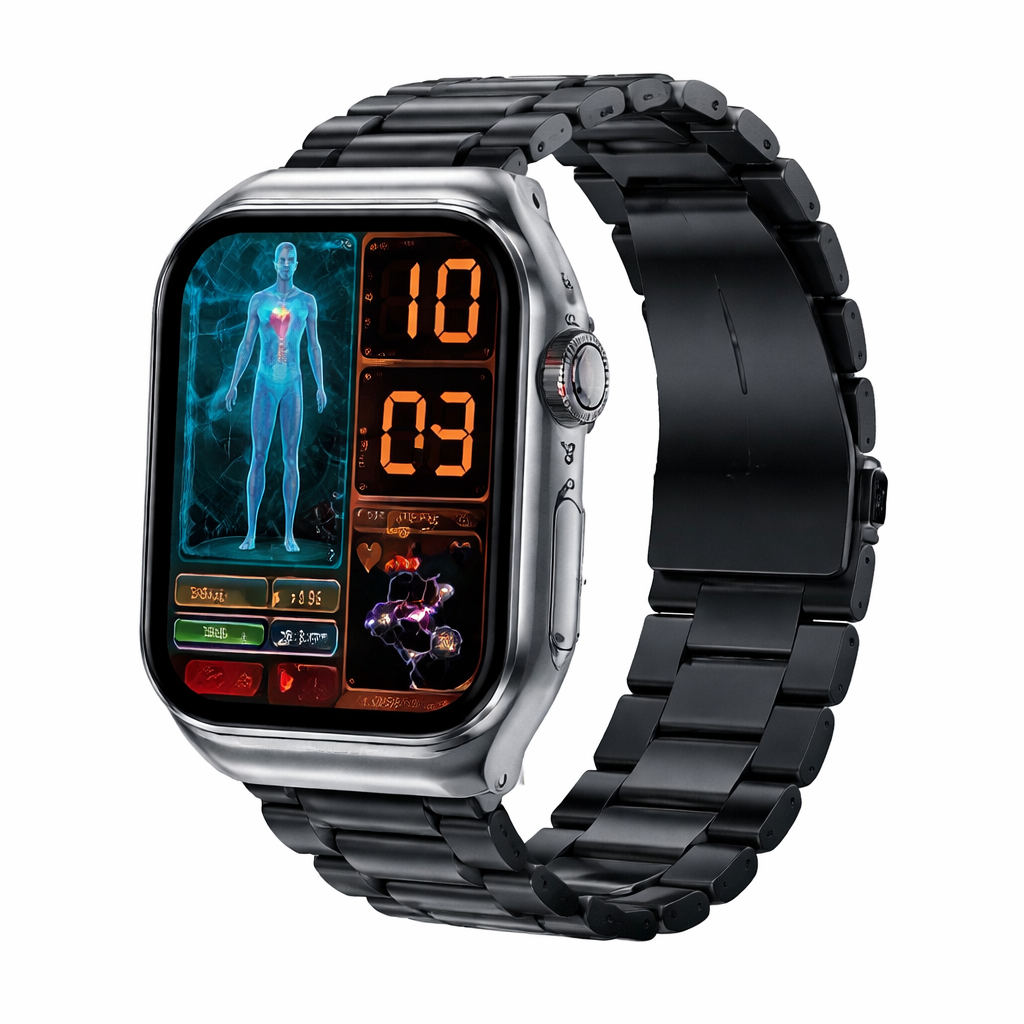
Recently, smartwatches that make the promise that they can measure blood sugar (glucose) levels without the need for needles have drawn criticism from regulatory bodies as well as medical professionals. Early in 2026, the German Federal Network Agency (Bundesnetzagentur) verified that a number of wristwatch models on the market were deceptively claiming to be able to track blood glucose levels, despite their inability to do so. (Notebookcheck)
The agency’s market surveillance study states that at least 1,266 wearable gadget listings on the internet made reference to blood sugar measurement. It is estimated that approximately five million units are sold as a result of these ads, with smartwatches being the most common offender in the category of false health claims. (Gizmochina) Why the Statements Are False
Currently, there isn’t a single smartwatch that can accurately measure blood sugar levels without tying into an additional medical sensor, such as a Continuous Glucose Monitor (CGM). The closest approach currently authorized for real-time glucose monitoring is a CGM, which uses a small sensor positioned beneath the skin to measure glucose in the interstitial fluid directly. (Food and Drug Administration, United States)
On the other hand, a large number of the smartwatches that were reported in Germany were simulating blood sugar levels using mathematical guesses or unrelated sensing techniques, giving consumers the misleading impression that they were getting actual medical data. In addition to breaking legal requirements, this technique poses a significant danger of misunderstanding, particularly for those who may rely on precise glucose data to treat diseases like diabetes.
Germany’s Regulatory Action
The Federal Network Agency of Germany discovered more than only misleading statements regarding blood sugar testing. The agency discovered that 58% of examined device models did not satisfy fundamental regulatory requirements, including appropriate certification, German documentation, and adherence to radio equipment laws, during its inspections of both online and retail marketplaces. (Gizmochina)
In order to prevent harmful or deceptive devices from entering the nation, the authority responded by taking non-compliant products off the market and stepping up customs enforcement. Over 8,000 suspect shipments were detected by customs officers, and an estimated 359,000 devices were blocked at the border. (Gizmochina)
The German action highlights a larger issue: as health-related technology claims increase in
frequency and exaggeration, regulators are strengthening their monitoring.
What Medical Professionals Say
authorities such as the U.S. Similar cautions have been made by the Food and Drug Administration (FDA), which advises people not to trust smartwatches or rings that make the promise that they can test blood sugar levels without piercing the skin. According to the FDA, there is currently no approved non-invasive blood sugar monitoring equipment of this kind, and using one could result in harmful health choices, such as taking the incorrect amount of insulin or misadjusting medication. (Food and Drug Administration, United States)
Health officials stress that direct contact with blood or interstitial fluid is necessary for accurate blood glucose monitoring, which is why approved devices either use CGMs or finger-prick tests as part of the measuring procedure. (Live Science)
The Danger of False Medical Information
Inaccurate readings from smart devices may appear innocuous to those without diabetes or who do not depend on glucose data for medical treatment. False glucose readings, however, can result in major medical mistakes for diabetics, such as improper insulin or other blood sugar-lowering medication dosage, which can lead to dangerously low or high blood glucose levels. (Food and Drug Administration, United States)
What Customers Need to Do
Experts advise customers to: • Steer clear of smartwatches that solely promote blood glucose monitoring. • When making medical decisions, use glucose monitoring devices approved by the FDA. • If you require accurate glucose levels, speak with medical professionals.
Skepticism and care are crucial until authentic non-invasive glucose testing technology is fully validated and authorized by health authorities.
Concluding remarks
A growing global worry is brought to light by Germany’s regulatory action: wearable tech businesses shouldn’t exaggerate their health capabilities, particularly when users may use such information directly to make medical decisions. Authorities are taking action to safeguard the public’s health after false claims regarding blood sugar monitoring have drawn attention to millions of gadgets.
Customers should remain aware, rely on reliable medical equipment, and exercise caution when making audacious health monitoring claims as technology advances.