
Can VR Help Learners Pass Their Driving Test?
It has always been nerve-wracking to learn to drive. Before receiving their license, many novice drivers experience numerous test failures, ranging from stalling at crossings to having trouble parallel parking. Virtual reality (VR) technology is now emerging as a potentially revolutionary development in driving instruction.
Ashley Gore, a driving instructor in New Zealand, is helping students practice fundamental driving techniques in virtual reality before they even get into a real car. Gore provides virtual driving lessons in Auckland and Napier through his business, MintEDVR, and he intends to grow it across the country.
How Virtual Reality Driving Lessons Work
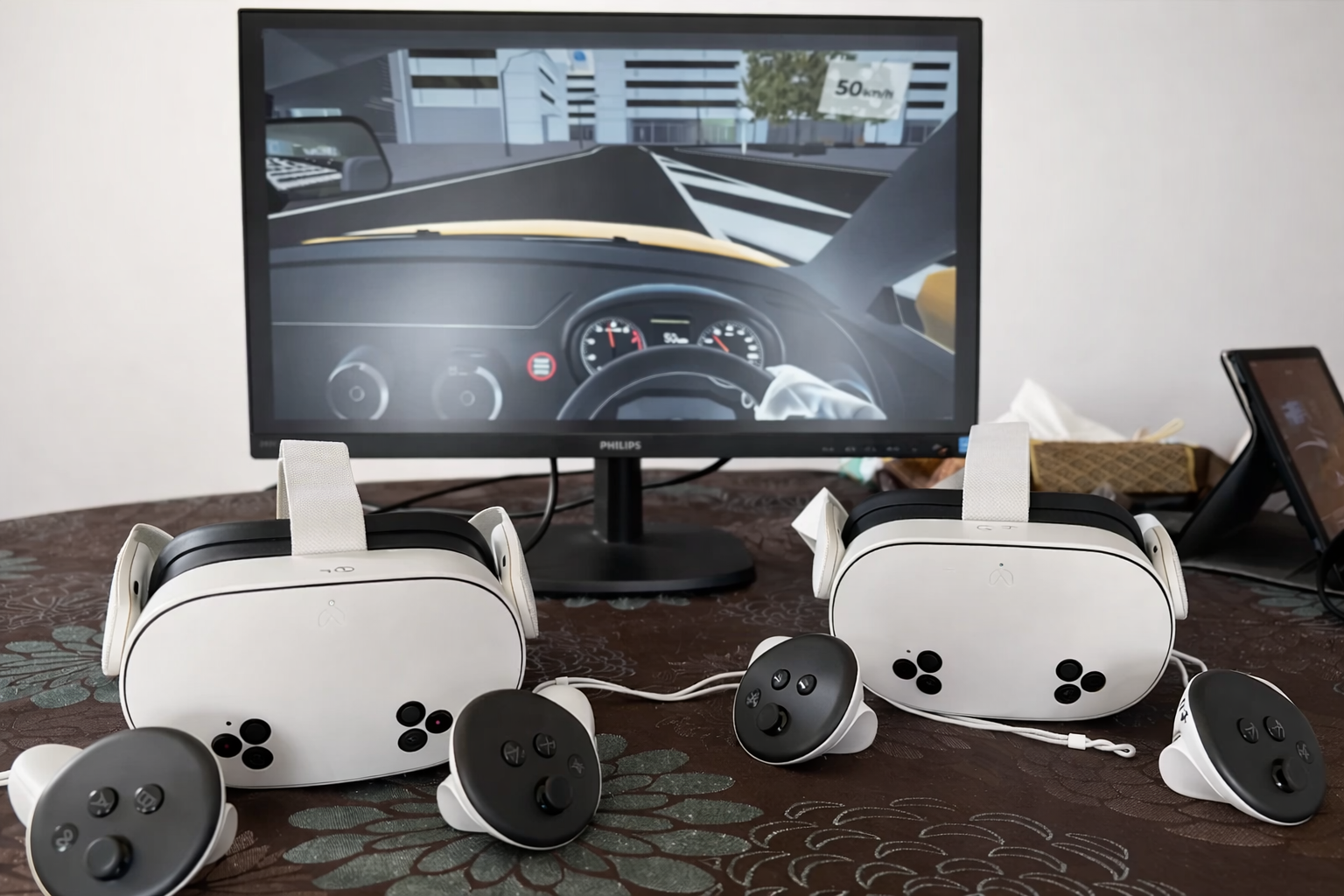
The setup resembles a typical VR gaming system — a headset that covers the eyes and handheld controllers instead of pedals and a steering wheel. Once the headset is on, learners find themselves seated in a virtual driver’s seat, navigating realistic road environments.
The simulator includes various practice scenarios such as right-hand turns, T-intersections, and parallel parking — all critical components of a practical driving test. Road signs, traffic markings, and surrounding vehicles are included to mimic real-world conditions.
Although the controls differ from a traditional car, most users adapt quickly. Gore compares it to switching from a small hatchback to a larger vehicle — unfamiliar at first, but manageable after a few sessions.
Addressing High Driving Test Failure Rates
After observing the high rate of driving test failures in New Zealand, Gore was motivated to start VR classes. Every year, tens of thousands of students fail their practical exams, frequently as a result of small but crucial errors like driving too slowly or failing to stop at a stop sign.
Virtual reality (VR) enables learners to make mistakes in a safe setting by providing immersive, repeating practice sessions. The technology monitors user motions and detects frequent mistakes including speeding, improper stopping, and neglecting to examine blind spots. This immediate feedback can boost self-esteem and help break negative habits early.
At around $15 per session, VR driving lessons are significantly cheaper than traditional in-car lessons, making them accessible for first-time learners and those needing refresher training.
Can VR Replace Real-World Driving Practice?
Despite its advantages, Gore emphasizes that virtual reality is not a replacement for real driving. Instead, it is designed to complement traditional lessons and support learners at various stages of their driving journey.
He believes that hours spent practicing in VR should count toward the recommended driving hours required before a practical test. However, this idea faces resistance from road safety authorities.
The New Zealand Transport Agency maintains that simulated environments cannot fully replicate the complexity of real-world driving. According to the agency, overconfidence developed in a simulator could increase crash risks among novice drivers.
Similarly, AA New Zealand acknowledges the potential benefits of VR as a supplementary training tool but stresses that real-world experience remains essential.
The Future of VR in Driver Education
With recent changes to New Zealand’s driver licensing system — including a longer learner period for drivers under 25 — the demand for flexible and affordable training solutions may increase. Virtual reality driver training could play an important supporting role, particularly in helping learners master foundational skills before entering live traffic.
While VR may never fully replace on-road experience, its ability to reduce anxiety, lower costs, and provide safe, repeatable practice makes it a promising innovation in driver education. As technology advances, virtual driving simulators could become a common stepping stone on the road to earning a license.