
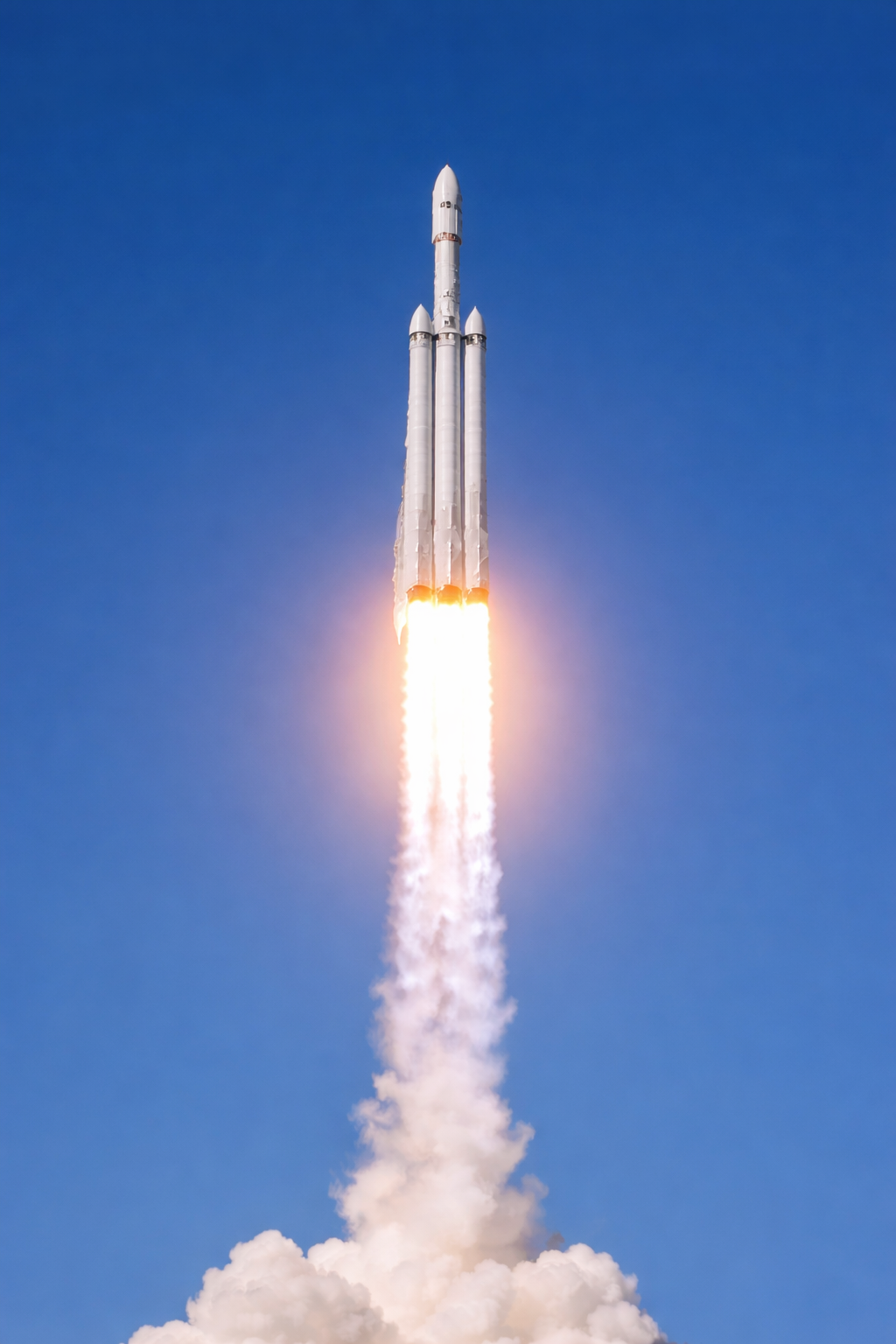
SpaceX Launches New Astronauts to International Space Station After Medical Evacuation
In a dramatic yet seamless turn of events, SpaceX has successfully launched a new crew of astronauts to the International Space Station (ISS) following a recent medical evacuation mission. The launch highlights the growing reliability of commercial spaceflight and NASA’s continued partnership with private space companies to ensure uninterrupted operations in low-Earth orbit.
This latest mission underscores how modern space exploration blends cutting-edge technology, rapd response capabilities, and international cooperation to keep humanity’s orbiting laboratory fully staffed and operational.
Emergency Medical Evacuation Clears the Way for New Crew
The rotation comes shortly after a medical evacuation required the early return of an astronaut from the ISS. NASA and SpaceX acted quickly, coordinating a safe and efficient return to Earth using a Crew Dragon spacecraft. While space agencies do not frequently encounter medical emergencies in orbit, contingency plans are always in place.
The successful evacuation demonstrated the flexibility of the Commercial Crew Program, a joint initiative between NASA and SpaceX. The ability to bring astronauts home swiftly ensures crew safety while maintaining mission continuity aboard the ISS.
With one seat vacated, preparations accelerated for a fresh crew launch to restore the station’s full operational capacity.
SpaceX Crew Dragon Lifts Off Successfully
The new astronauts launched aboard SpaceX’s reliable Crew Dragon spacecraft, carried into orbit by a Falcon 9 rocket from Florida. The mission marks another milestone in routine astronaut transportation services provided by SpaceX since its first crewed mission in 2020.
After liftoff, the spacecraft entered low-Earth orbit and began its automated journey toward the International Space Station. Within approximately 24 hours, Crew Dragon performed a smooth docking procedure with the orbiting laboratory.
The flawless launch and docking further solidify SpaceX’s role as a key player in human spaceflight and a dependable transport partner for NASA.
Why This Mission Matters for the International Space Station
The International Space Station remains one of humanity’s most important scientific platforms. Orbiting about 400 kilometers above Earth, the ISS supports research in microgravity, Earth observation, climate monitoring, biology, and advanced technology testing.
Crew continuity is critical. Astronauts aboard the ISS conduct hundreds of experiments that cannot be interrupted. From studying the effects of long-duration space travel on the human body to developing future deep-space mission technologies, the station plays a vital role in preparing for missions to the Moon and Mars.
With the arrival of the new crew, scientific research can continue without delays, ensuring that key investigations remain on schedule.
Growing Role of Commercial Spaceflight
This mission also reflects the broader evolution of space exploration. Through the Commercial Crew Program, NASA relies on private companies like SpaceX to handle transportation to and from the ISS. This approach allows NASA to focus more resources on ambitious deep-space initiatives, including the Artemis Moon program.
SpaceX’s ability to respond quickly to unexpected situations—such as a medical evacuation—demonstrates the maturity and resilience of commercial space systems. The partnership model has significantly reduced launch costs while increasing flexibility.
Looking Ahead
As the ISS continues to host international crews, missions like this reaffirm the importance of safety, teamwork, and innovation in space exploration. The seamless transition from medical evacuation to new crew arrival highlights the strength of NASA and SpaceX collaboration.
With each successful mission, humanity moves one step closer to sustainable space travel—and eventually, deeper journeys beyond Earth orbit.