
Scientists Discover Genetic Cause of Leaky Brain Blood Vessels in Rett Syndrome
Researchers at the Massachusetts Institute of Technology (MIT) have discovered a crucial genetic mechanism that makes brain blood vessels abnormally leaky in Rett Syndrome patients. The findings provide fresh insight into the neurological condition and pave the way for possible therapies that can enhance the quality of life for impacted kids.
The study, which was published in the scientific journal biochemical Psychiatry, shows that certain genetic abnormalities cause a biochemical chain reaction that compromises the integrity of the brain’s blood arteries. Scientists think they may have discovered a suitable therapeutic target by figuring out the underlying biological mechanism.
Understanding Rett Syndrome and Its Genetic Roots
Rett syndrome is a rare but severe developmental disorder that primarily affects girls. The condition disrupts brain development and leads to a range of symptoms, including loss of motor skills, communication difficulties, breathing irregularities, and cognitive impairment.
The disorder is caused by mutations in the MECP2 gene, which normally helps regulate the activity of many other genes throughout the body. Although children with Rett syndrome appear to develop normally during infancy, symptoms typically emerge between the ages of two and three, a crucial stage for brain development.
Scientists have long suspected that these genetic mutations affect the brain’s blood vessels, but the precise mechanism had remained unclear—until now.
How Genetic Mutations Cause Leaky Brain Blood Vessels
Researchers at MIT’s Picower Institute for Learning and Memory led the latest study, which looked at how two common MECP2 mutations interfere with brain blood vessel formation.
Using advanced laboratory techniques, the scientists created 3D microvascular networks from human stem cells donated by Rett syndrome patients. These networks mimic the structure and function of real blood vessels in the brain.
The researchers studied two widely observed mutations:
- R306C mutation
- R168X mutation
Although these mutations affect the MECP2 gene differently, the scientists discovered that both ultimately triggered the same harmful molecular pathway. The mutations caused an overproduction of a regulatory molecule called miRNA-126-3p, a microRNA that controls gene expression.
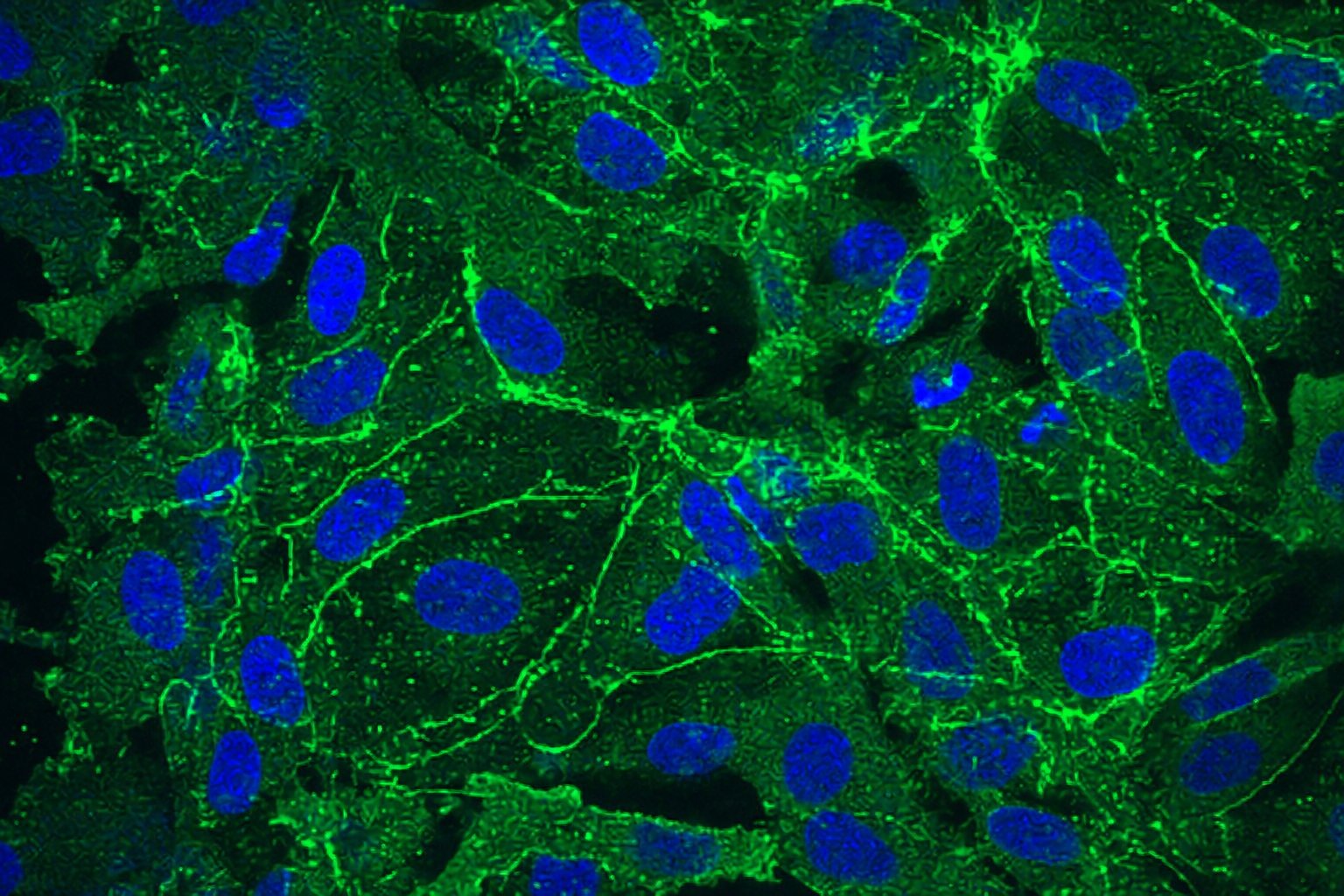
When levels of this microRNA increased, they suppressed a key protein known as ZO-1. This protein is essential for maintaining tight junctions between endothelial cells that line blood vessels. Without sufficient ZO-1, the junctions weaken—causing blood vessels in the brain to become unusually leaky.
Impact on the Brain’s Protective Barrier
The human brain is protected by a specialized structure known as the blood-brain barrier (BBB). This barrier carefully regulates which substances can pass from the bloodstream into the brain.
When blood vessels become leaky, the barrier’s ability to protect brain tissue is compromised. In the MIT experiments, the Rett-mutation blood vessels showed significantly higher permeability compared to healthy control samples.
To understand the neurological consequences, researchers exposed neurons to fluids from the abnormal blood vessel cultures. The neurons exhibited reduced electrical activity, suggesting that dysfunctional blood vessels may directly disrupt brain signaling in Rett syndrome.
This discovery strengthens the idea that vascular defects play a central role in the disorder’s neurological symptoms.
A Potential Treatment Target Emerges
Perhaps the most exciting aspect of the research is the identification of a possible treatment strategy.
When scientists used a molecule designed to reduce levels of miRNA-126-3p, several improvements occurred:
- ZO-1 protein levels increased
- Blood vessel integrity improved
- Leakiness was partially reversed
This suggests that targeting miRNA-126-3p could potentially restore normal blood vessel function in Rett syndrome.
Interestingly, a drug known as miRisten, which blocks the same microRNA, is already being tested in clinical trials for leukemia. Researchers now plan to test this drug in mouse models of Rett syndrome to determine whether it can help repair damaged brain vasculature.
A Major Step Toward Understanding Rett Syndrome
The study provides crucial insight into how genetic mutations disrupt brain biology in Rett syndrome. By linking MECP2 mutations to microRNA activity and blood-brain barrier dysfunction, the research fills an important gap in scientists’ understanding of the disease.
More importantly, it highlights a new potential therapeutic pathway that could one day lead to effective treatments.
While further studies and clinical trials are needed, the findings represent a significant milestone in the search for therapies that could improve neurological function and quality of life for children living with Rett syndrome.