A New Era of User-Driven Improvements
For the first time in years, the discourse surrounding Windows 11 is fast shifting in favor of optimism. With executives actively participating on social media and giving long-requested projects top priority, Microsoft seems to be taking customer feedback more seriously than ever.
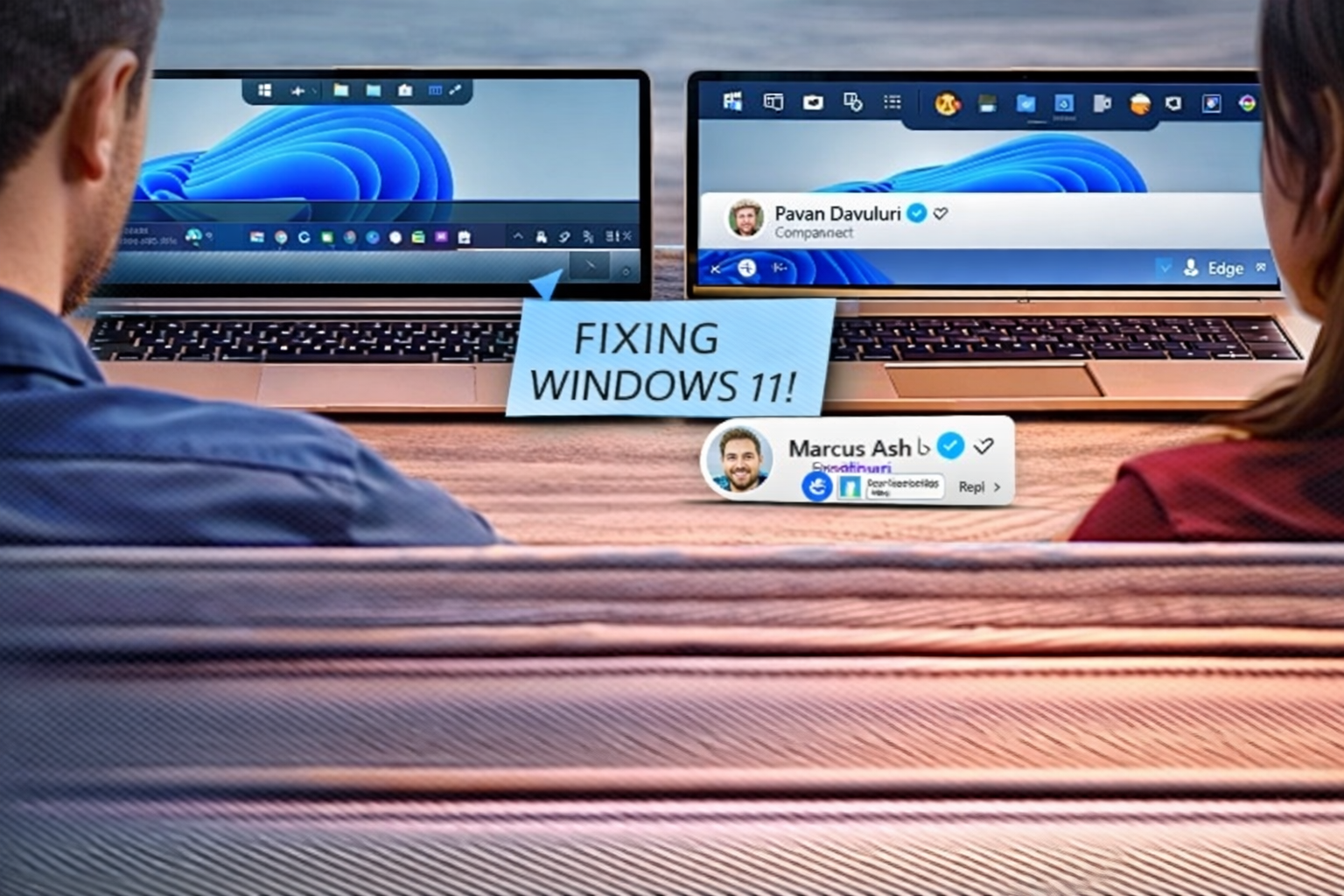
Users are beginning to notice that a new “fix Windows 11” effort appears to be underway, from taskbar personalization to enhancements in dark mode.
A Shift in Microsoft’s Approach
For years, Windows users have expressed frustration over missing features and inconsistent updates. However, recent developments suggest a major shift in how Microsoft is handling its flagship operating system.
Senior figures like Marcus Ash, along with other executives, are now directly responding to feedback on platforms like X (formerly Twitter). This transparency marks a significant departure from the company’s traditionally slower, less interactive communication style.
The message is clear: Microsoft is listening—and acting.
Taskbar Customization Becomes Top Priority
One of the most requested features since the launch of Windows 11 has been the ability to move the taskbar. Unlike previous versions such as Windows 10, Windows 11 locked the taskbar to the bottom of the screen, frustrating many users.
What’s Changing?
- Taskbar repositioning is now labeled as a “priority 0” task (highest urgency)
- Users will soon be able to move the taskbar to different positions
- Instead of dragging, placement options will be available in Settings
- A compact taskbar mode is also in development
This is a major win for customization lovers, especially those using smaller screens or unique workflows.
Dark Mode Still a Work in Progress
Another long-standing issue with Windows 11 has been inconsistent dark mode implementation. While the feature exists, many system areas still display bright, white interfaces—even when dark mode is enabled.
According to Marcus Ash, Microsoft is working to expand dark mode across more parts of the system, including legacy tools like the Registry Editor.
Key Takeaways:
- No fixed timeline yet for full dark mode rollout
- Ongoing work to improve consistency across system panels
- Focus on modernizing older UI components
While progress has been slow, the acknowledgment itself is a positive sign.
Executives Engaging Directly with Users
What makes this moment different is the level of direct engagement from Microsoft leadership.
Key figures like:
- Pavan Davuluri
- Scott Hanselman
have been actively responding to users online, discussing issues, and sharing updates.
This kind of openness is rare for a company of Microsoft’s size—and it signals a cultural shift toward user-first development.
Monthly Updates: Fast Progress or Risky Move?
Microsoft has reportedly committed to delivering monthly fixes and improvements, starting immediately. While this rapid update cycle is promising, it also raises concerns.
The Big Question:
Can Microsoft move fast without breaking things?
Historically, even slower updates have sometimes introduced new bugs. Accelerating development increases the risk of instability unless carefully managed.
To succeed, Microsoft must:
- Invest heavily in testing
- Ensure stable rollouts
- Maintain quality alongside speed
Competition Is Driving Change
Microsoft’s renewed urgency may also be fueled by increasing competition. Apple’s macOS continues to gain traction, especially with newer devices like the highly praised MacBook Neo.
As users explore alternatives, Microsoft can no longer afford complacency. Improving Windows 11 is not just about user satisfaction—it’s about maintaining dominance in the desktop OS market.
Why This Matters for Users
If Microsoft follows through on its promises, Windows 11 could soon become:
- More customizable
- More consistent in design
- More responsive to user needs
- More competitive with rival platforms
For everyday users and professionals alike, these changes could significantly improve the overall experience.
Final Thoughts: A Promising but Critical Moment
Microsoft seems to be entering a new phase—one defined by transparency, responsiveness, and urgency. The “fix Windows 11” initiative shows real promise, especially with high-priority updates like taskbar customization already underway.
However, the real test lies ahead.
Delivering frequent updates without compromising stability will be the ultimate challenge. If Microsoft can strike that balance, Windows 11 may finally evolve into the polished, user-friendly operating system it was always meant to be.