MIT’s Smartwatch Tech Could End Finger Pricks
A New Era for Diabetes Management
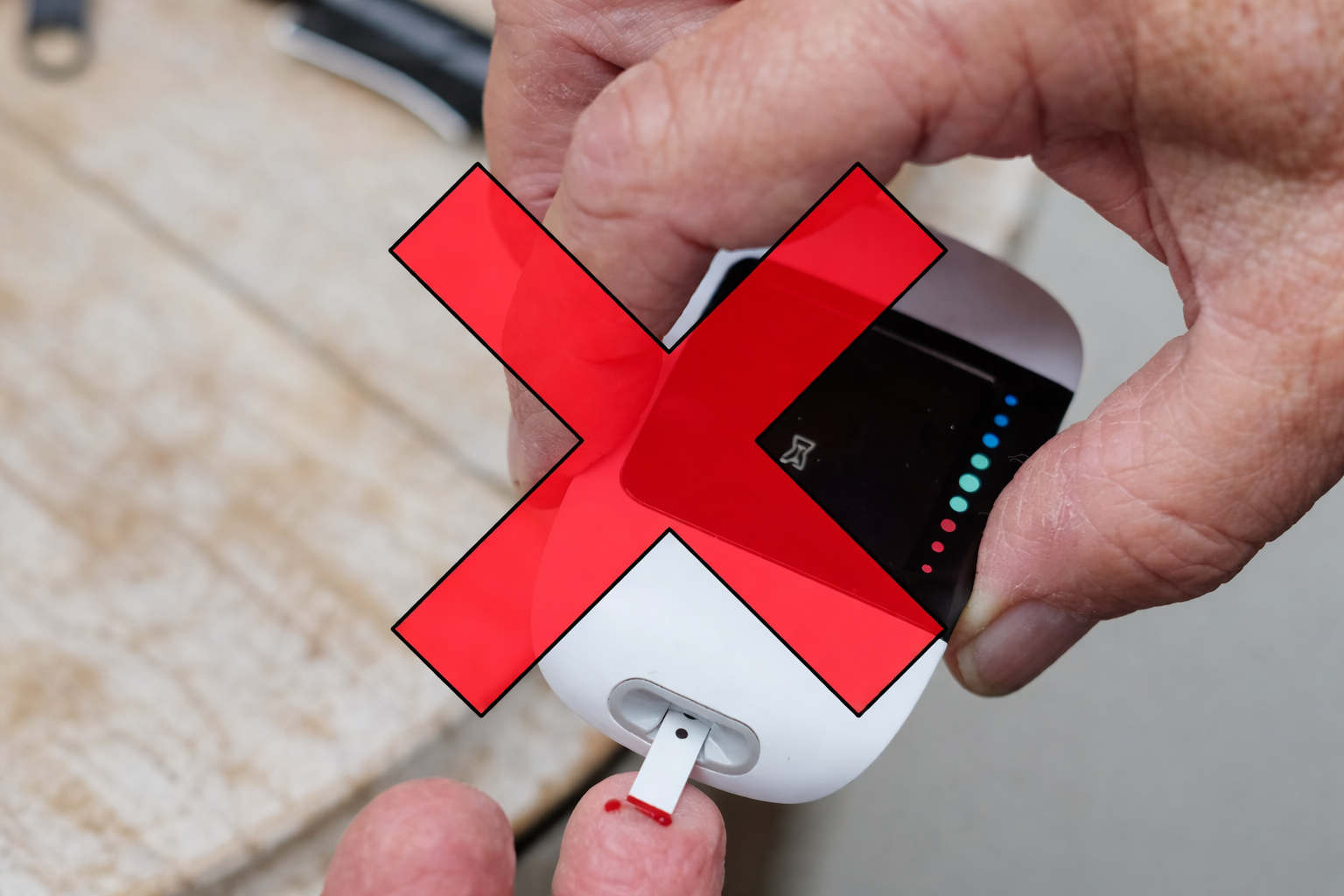
Frequent finger pricks to check blood sugar levels have long been associated with a painful regimen for managing diabetes. This everyday job is uncomfortable, repetitive, and inconvenient for millions of individuals globally. Researchers at the Massachusetts Institute of Technology are now developing a novel approach that has the potential to fundamentally alter the way that glucose monitoring is carried out.
Their most recent invention presents a non-invasive glucose monitoring tool that may ultimately be included into smartwatches, completely doing away with the need for needles.
How MIT’s Glucose Monitoring Technology Works
The new device developed by MIT researchers relies on an advanced light-based method known as Raman spectroscopy. Instead of drawing blood, this technology shines near-infrared light onto the skin.
Here’s how it works in simple terms:
- The light penetrates just beneath the skin
- It interacts with molecules in the tissue
- The device analyzes how the light scatters
- From this data, it detects glucose levels
This approach allows the device to measure blood sugar without any physical penetration, making it completely painless and far more convenient than traditional methods.
Accuracy: Can It Replace Traditional Glucose Monitors?
Accuracy is the most critical factor in any glucose monitoring system—and MIT’s prototype shows promising results.
In initial testing:
- The device was used on a healthy volunteer
- Measurements were taken every 5 minutes over a 4-hour period
- The subject consumed glucose drinks to test varying sugar levels
- Results closely matched those from standard commercial monitors
Each reading took about 30 seconds, which is quite efficient for a non-invasive method.
According to lead researcher Jeon Woong Kang, achieving high accuracy without invasive procedures could significantly improve life for people with diabetes.
From Lab Device to Wearable Technology
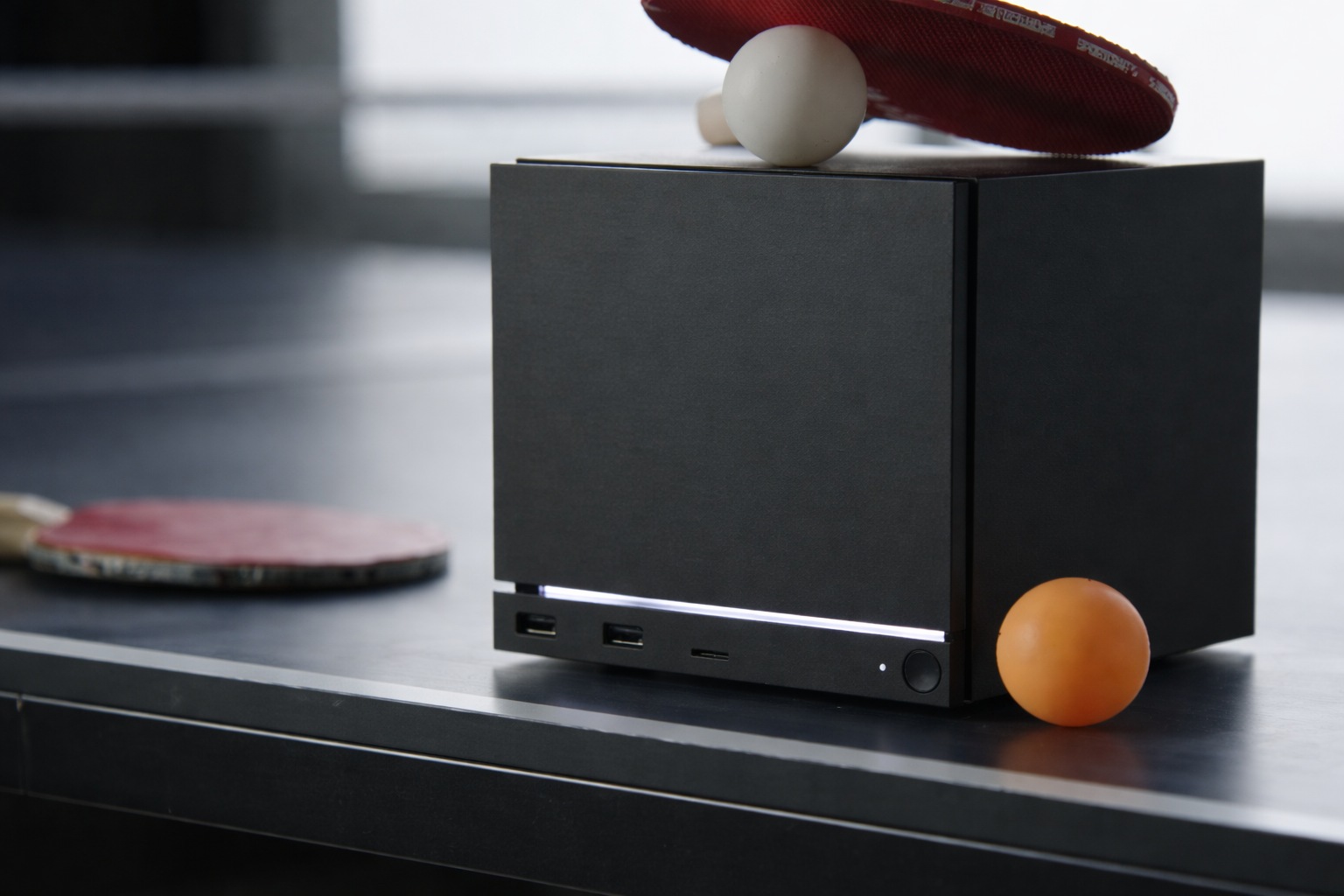
Currently, the device is about the size of a shoebox, but the research team has already made major progress in reducing its size.
- A smaller prototype (about the size of a smartphone) is already in testing
- Trials now include healthy and prediabetic individuals
- The ultimate goal is to shrink it into a smartwatch-sized wearable
If successful, this innovation could soon allow users to monitor their glucose levels directly from their wrist—just like checking the time.
Addressing Real-World Challenges
Before this technology becomes widely available, researchers are focusing on a few key challenges:
- Testing on people with diabetes in larger clinical trials
- Ensuring consistent accuracy across different skin tones
- Refining the device for everyday wearable use
These steps are essential to ensure the technology is reliable and accessible for everyone.
Competition in the Smart Health Space
MIT is not the only player working toward needle-free glucose monitoring. Major tech companies and smartwatch manufacturers are also exploring similar innovations.
For example:
- Huawei is developing features for diabetes risk detection in its smartwatches
- Other wearable tech companies are investing heavily in non-invasive health sensors
This growing competition could accelerate the arrival of consumer-ready solutions.
What This Means for the Future of Diabetes Care
If MIT’s technology continues to show strong results, it could mark a turning point in diabetes management. A painless, wearable glucose monitor would:
- Reduce discomfort and anxiety
- Encourage more frequent monitoring
- Improve overall health outcomes
- Enhance quality of life for millions
Final Thoughts
While still in the early stages, MIT’s innovation offers real hope for a future without finger pricks. The combination of cutting-edge science and wearable technology could soon make glucose monitoring simpler, smarter, and completely non-invasive.
The idea of checking your blood sugar with a smartwatch is no longer science fiction—it’s quickly becoming a reality.