
Russia-Linked Cyberattack Targets Sweden’s Energy Infrastructure Amid Rising Threats Across Europe
Sweden Reveals Pro-Russian Cyberattack on Heating Plant as Europe Faces Escalating Infrastructure Threats
Fresh worries about the growing vulnerability of Europe’s vital infrastructure have been raised by Sweden’s public confirmation that a pro-Russian cyber organization was behind an attempted hack on one of its heating plants last year.
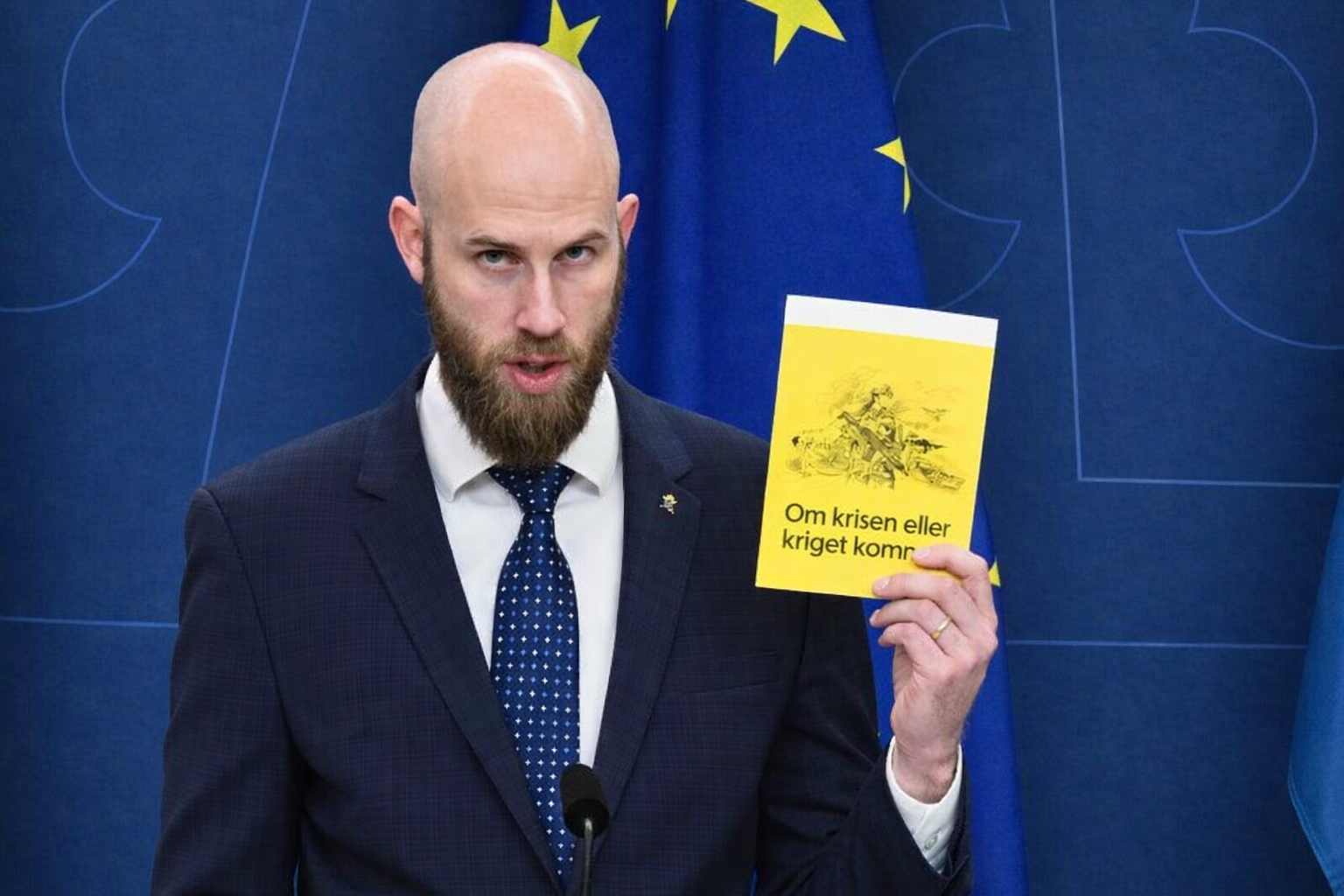
Carl-Oskar Bohlin, Sweden’s Minister for Civil Defense, made the declaration, pointing to a concerning increase in cyberwarfare strategies thought to be connected to Russian intelligence networks. Despite the failure of the attack on the heating station in western Sweden, authorities caution that similar acts are increasing in frequency and may even be more harmful.
A Growing Cyber Threat to Europe’s Critical Infrastructure
The attempted cyberattack in Sweden is part of a broader pattern of digital assaults on energy and utility infrastructure across Europe.
According to Swedish officials, the hackers targeted systems that manage essential infrastructure—systems that, if compromised, could disrupt services for hundreds of thousands of people. Such attacks could lead to interruptions in heating, water supply, electricity, and transportation, creating widespread social and economic instability.
Officials across Poland, Denmark, Norway, and Latvia have reported similar cyber incidents over the past year, many of which have been attributed to Russian-backed actors.
Sweden Links Attack to Russian Security Networks
Minister Bohlin stated that the group behind the Swedish cyberattack has known links to Russia’s security and intelligence services. While he did not disclose the exact location of the heating plant or provide technical details, he emphasized the seriousness of the attack.
He also pointed to similar attacks in Poland, where coordinated cyber intrusions in December targeted heating and power plants, as well as wind and solar farms. Those attacks affected infrastructure supplying heat to nearly 500,000 customers, with Polish authorities later confirming evidence of direct Russian involvement.
These attacks are no longer isolated incidents—they represent an emerging hybrid warfare strategy designed to create instability without direct military confrontation.
Europe on Alert as Cyberattacks Intensify
Across Europe, officials are reporting a sharp rise in suspicious cyber and sabotage operations affecting essential infrastructure.
- In Denmark, Russian cyberattacks reportedly disrupted water services, leaving households without running water.
- In Norway, hackers remotely opened a valve at a dam, releasing water unexpectedly.
- In Latvia, railway infrastructure was deliberately set on fire by individuals believed to be acting on Russia’s behalf.
These incidents suggest a coordinated effort to target infrastructure that civilians rely on every day.
Experts warn that attacks on utilities and transport systems are intended to spread fear, weaken public confidence, and pressure governments, especially those supporting Ukraine.
Cyber Warfare as a Tool of Political Pressure
Western intelligence agencies believe that these attacks are part of a wider campaign by Russia to undermine European unity and reduce support for Ukraine.
Since Russia’s invasion of Ukraine in February 2022, more than 150 incidents of sabotage, cyberattacks, and malicious activities across Europe have reportedly been linked to Russian interests.
The objectives behind these attacks appear to be:
- Disrupting public services
- Creating fear among civilians
- Diverting government resources
- Weakening political support for Ukraine
Rather than engaging directly, cyber warfare allows attackers to destabilize countries while maintaining plausible deniability.
Russia Denies Involvement
The Kremlin has repeatedly denied any involvement in sabotage or cyber campaigns
against European nations.
However, the repeated occurrence of similar attacks—and the intelligence evidence gathered by European authorities—continues to raise alarms among security experts.
Sweden’s decision to publicly reveal the attempted cyberattack indicates that European governments are becoming increasingly transparent about the threats they face and are preparing citizens for the possibility of further incidents.
Why This Matters for Europe’s Security
The attempted cyberattack on Sweden’s heating infrastructure demonstrates how modern warfare is evolving. Today, attacks on a nation’s digital infrastructure can be just as disruptive as physical attacks.
Heating plants, water systems, dams, and railways are vital to everyday life. When these systems are targeted, the consequences can affect millions of people—especially during winter months or periods of political tension.
European governments are now being forced to strengthen cybersecurity defenses around energy grids, water utilities, and transportation systems to prevent future attacks.
Conclusion
Sweden’s confirmation of a Russia-linked cyberattack on its energy infrastructure highlights the growing threat of cyber warfare across Europe.
While the attack on the Swedish heating plant was unsuccessful, it serves as a warning that essential public infrastructure remains a prime target in geopolitical conflicts.
As cyber threats continue to escalate, Europe faces increasing pressure to defend its digital systems and protect the services that millions of people depend on every day.