First Reusable Rocket Stage Flight Marks Historic Milestone
Introduction
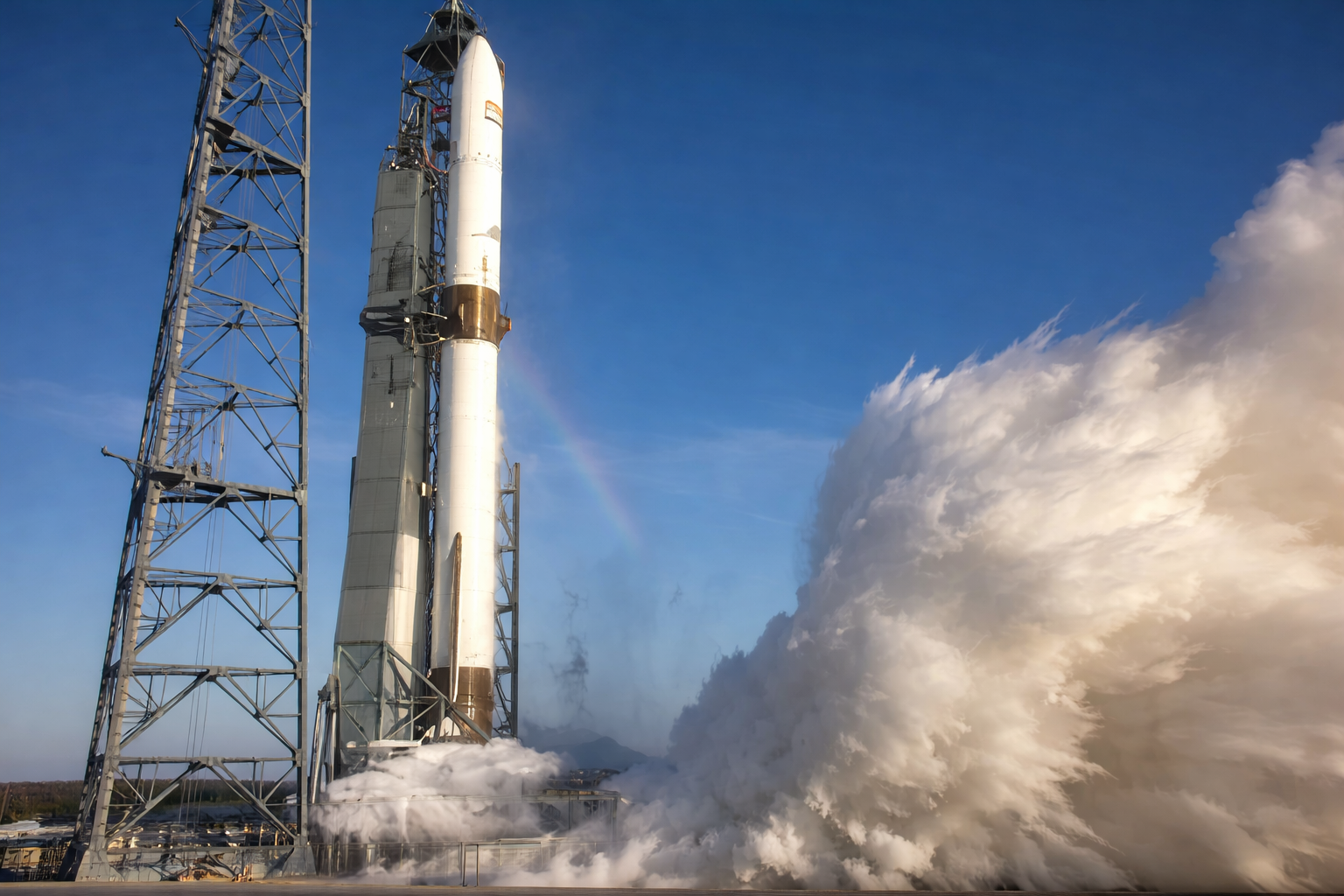
As Blue Origin is ready for a historic mission, space exploration is taking yet another significant stride ahead. The business plans to launch its potent New Glenn rocket for the third time on April 19, but this mission will be unlike any previous one. In a daring step toward affordable and sustainable space exploration, Blue Origin will repurpose a previously launched rocket stage for the first time.
A Historic Launch: What Makes NG-3 Special
The upcoming mission, known as NG-3, is more than just another rocket launch. It marks the first reuse of a New Glenn first-stage booster—an achievement that could reshape the economics of orbital spaceflight.
Liftoff is scheduled from Cape Canaveral Space Force Station during a two-hour window opening at 6:45 a.m. EDT. The rocket will carry BlueBird 7, a next-generation satellite designed to deliver direct-to-smartphone internet connectivity.
This mission demonstrates Blue Origin’s long-term vision: building rockets that can fly multiple times, reducing costs and increasing launch frequency.
How the Launch Will Unfold
If everything goes according to plan, the New Glenn rocket will follow a carefully choreographed sequence:
- Launch and ascent: The rocket lifts off and climbs into the sky powered by seven BE-4 engines
- Stage separation: About 3.5 minutes into flight, the first stage separates
- Booster landing: The reusable booster attempts a landing on the droneship “Jacklyn” in the Atlantic Ocean just minutes later
- Satellite deployment: The upper stage continues into low Earth orbit to deploy BlueBird 7
This landing attempt is crucial, as it validates Blue Origin’s reusable rocket technology.
Meet BlueBird 7: A Giant in Space
BlueBird 7 is part of a satellite constellation developed by AST SpaceMobile. These satellites aim to provide direct-to-cellphone internet, even in remote areas.
What makes them remarkable is their size:
- Massive antenna spanning 2,400 square feet
- Designed for powerful global connectivity
- Successor to BlueBird 6, launched in 2025
Compared to earlier versions, these “Block 2” satellites represent a huge leap in capability and scale.
New Glenn vs Competitors: The Space Race Heats Up
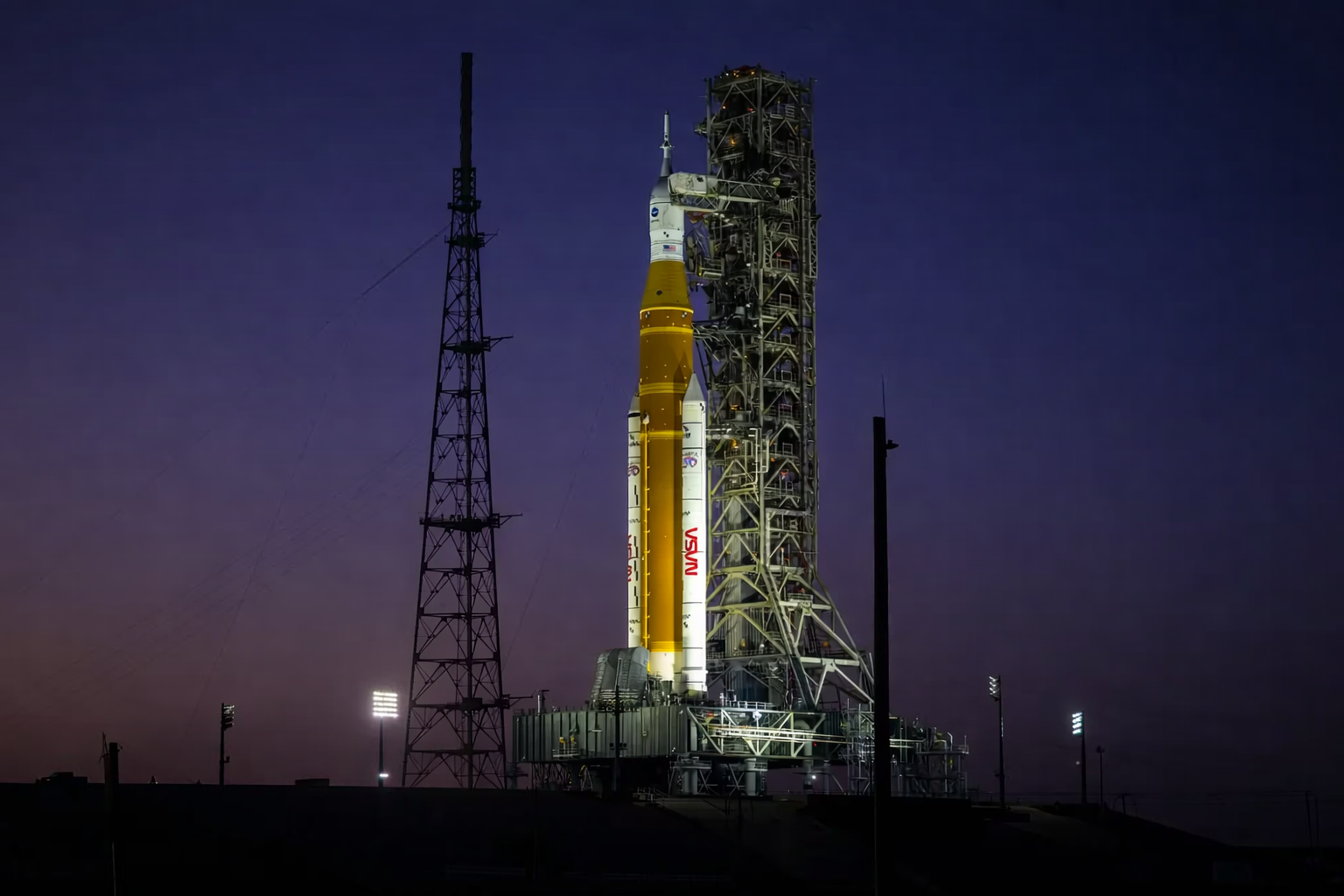
Standing at 322 feet tall, New Glenn is one of the largest rockets ever built—comparable to NASA’s Space Launch System and significantly taller than Falcon 9.
Its main rival? SpaceX, which already leads in reusable rocket technology with Falcon 9 and Starship.
New Glenn’s engines use methalox fuel (liquid oxygen + methane), similar to SpaceX’s next-generation systems. The goal is clear: compete in the rapidly growing market for reusable, heavy-lift launch vehicles.
Why Reusability Matters
Reusable rockets are the key to making space travel more affordable and sustainable. Instead of discarding rocket stages after each launch, companies can refurbish and reuse them multiple times.
Blue Origin aims for each New Glenn booster to fly at least 25 missions. If successful, this could:
- Dramatically lower launch costs
- Increase mission frequency
- Accelerate innovation in space exploration
Connection to NASA’s Artemis Program
New Glenn isn’t just about commercial launches—it also plays a critical role in future lunar missions.
Blue Origin is developing the Blue Moon lander, selected by NASA as part of the Artemis program. This lander could carry astronauts to the Moon in upcoming missions.
Meanwhile, NASA is reworking its Artemis plans. Instead of a direct lunar landing for Artemis 3, astronauts aboard the Orion spacecraft may first practice docking maneuvers in Earth orbit with available landers.
Both Blue Origin and SpaceX are racing to meet NASA’s requirements, including:
- Cryogenic fuel transfer in orbit
- Uncrewed lunar landing demonstrations
- Full system certification for human missions
Challenges and Progress So Far
New Glenn still has hurdles to overcome. Of its first two missions:
- The first launch (January 2025) reached orbit but failed to land the booster
- The second launch (November 2025) successfully landed its first stage
The booster used in NG-3, nicknamed “Never Tell Me the Odds,” has been refurbished with new engines and upgrades—another key test of reusability.
Final Thoughts
The NG-3 launch represents a turning point not just for Blue Origin, but for the future of spaceflight. Successfully reusing a rocket stage brings the company closer to competing head-to-head with industry leaders and fulfilling its vision of routine, affordable access to space.
As the countdown begins, all eyes are on New Glenn. Whether it’s deploying massive satellites or paving the way for Moon missions, this rocket could play a central role in humanity’s next giant leap.