A Breakthrough in Smartwatch Health Technology
Samsung Galaxy Watch AI May Revolutionize Health Monitoring
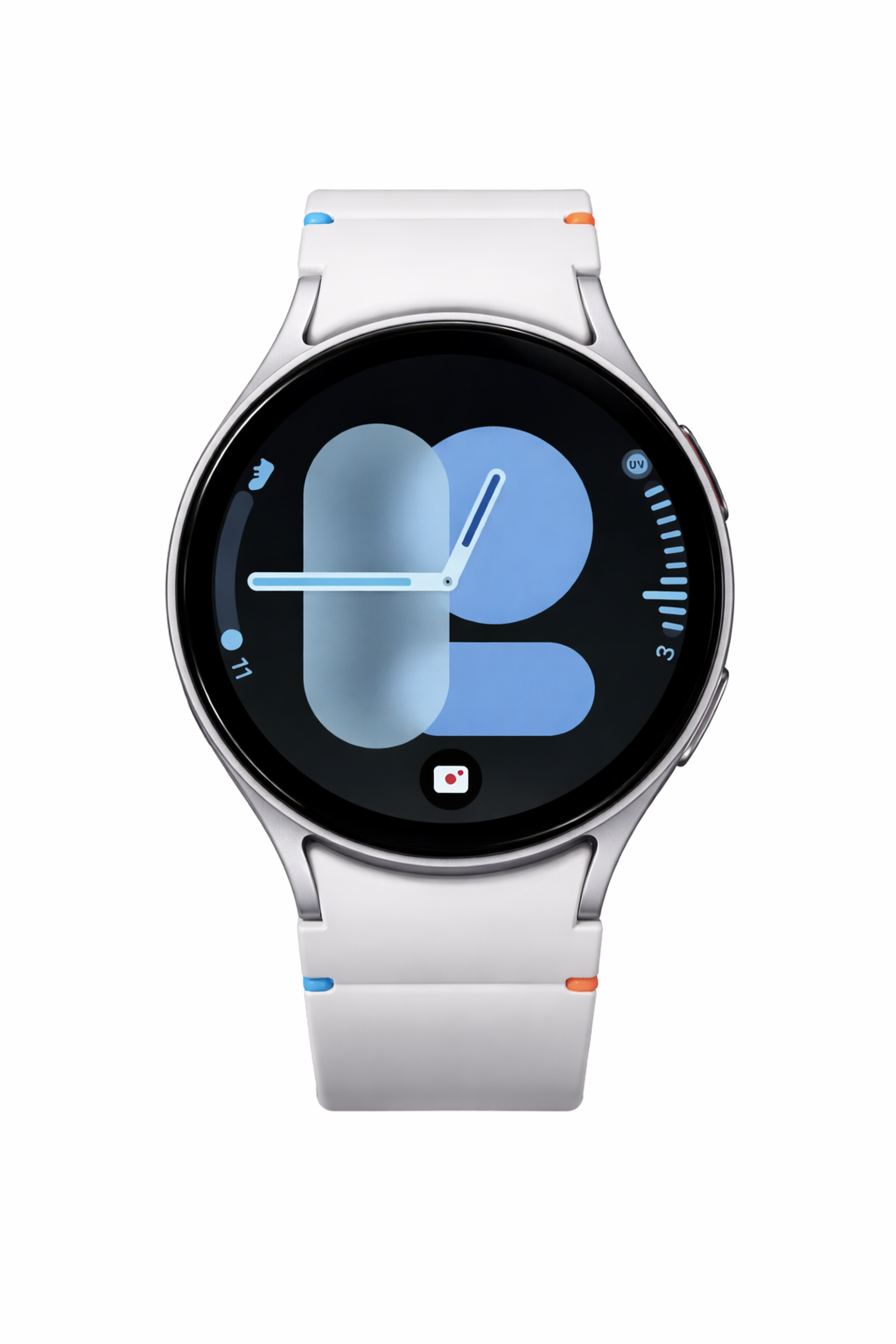
The future of wearable health technology is becoming more advanced than ever. Samsung has revealed groundbreaking research showing that the Samsung Galaxy Watch6 may be capable of predicting fainting episodes up to five minutes before they occur. This development could completely change how people manage sudden health emergencies, especially those who frequently experience fainting spells known as vasovagal syncope.
The study, conducted in collaboration with Chung-Ang University Gwangmyeong Hospital, highlights how artificial intelligence, smartwatch biosensors, and real-time health monitoring may help prevent serious injuries caused by unexpected falls. With wearable AI health tracking becoming one of the fastest-growing trends in consumer technology, Samsung’s latest research is already attracting worldwide attention.
Keywords such as Samsung Galaxy Watch AI, smartwatch health monitoring, AI health tracking, fainting prediction technology, and Galaxy Watch health features are rapidly becoming highly searched topics online.
What Is Vasovagal Syncope?
Understanding the Most Common Cause of Fainting
Vasovagal syncope is one of the most common causes of sudden fainting. It happens when the body overreacts to triggers like emotional stress, pain, extreme heat, dehydration, prolonged standing, or even the sight of blood. During these episodes, heart rate and blood pressure can suddenly drop, reducing blood flow to the brain and causing temporary loss of consciousness.
Medical experts estimate that nearly 40% of people may experience vasovagal syncope at least once in their lifetime. For some individuals, these episodes happen repeatedly, creating serious safety concerns. While fainting itself is usually brief, the injuries caused by falling can be severe, including fractures, head trauma, and concussions.
This is why predictive wearable technology is becoming increasingly important. A five-minute warning from a smartwatch could allow users to sit down, alert family members, or seek help before losing consciousness.
Popular search terms connected to this topic include vasovagal syncope symptoms, why people faint suddenly, smartwatch medical alerts, and AI healthcare devices.
How Samsung Galaxy Watch AI Predicted Fainting Episodes
Inside the Clinical Study Behind Samsung’s New Health AI
Samsung’s research team tested the predictive system using 132 patients who showed symptoms linked to vasovagal syncope. Participants underwent medically supervised induced fainting tests while wearing the Galaxy Watch6.
The smartwatch used a technology called photoplethysmography, commonly known as PPG sensors. These sensors use light to measure blood flow changes beneath the skin. The Galaxy Watch6 continuously tracked heart rate variability and other biosignals during the tests.
Researchers then processed the collected health data using an advanced AI algorithm trained to identify patterns that occur before fainting episodes. According to Samsung, the AI system successfully predicted fainting events up to five minutes before they happened with an impressive accuracy rate of 84.6%.
Even more importantly, the study reported a sensitivity rate of 90%, meaning the AI system correctly detected most patients who were about to faint.
These findings suggest that wearable AI devices may soon become capable of providing proactive health warnings rather than simply tracking fitness data after an event occurs.
Highly searched SEO keywords related to this breakthrough include Galaxy Watch6 AI, Samsung smartwatch health tracking, AI biosensors, predictive healthcare technology, and wearable medical technology.
Why This Samsung AI Technology Matters
Smartwatch Fainting Alerts Could Prevent Serious Injuries
One of the biggest dangers of fainting is not the loss of consciousness itself, but the injuries caused by collapsing unexpectedly. A person can hit their head, fall down stairs, or suffer major physical injuries within seconds.
Samsung’s AI-powered health system could offer a critical warning window before a fainting episode occurs. Even a short alert could give users enough time to sit down safely, contact emergency services, or notify family members.
Professor Junhwan Cho emphasized the importance of early warnings during the study. According to the research team, predictive health monitoring could dramatically reduce secondary injuries linked to recurrent fainting episodes.
This technology also reflects a growing shift in healthcare toward prevention instead of reaction. Smartwatches are no longer just fitness trackers. They are becoming advanced health monitoring systems capable of supporting early medical intervention.
Search trends surrounding preventive healthcare technology, AI-powered smartwatches, health alert wearables, and fall prevention devices continue to rise globally.
Samsung Galaxy Watch vs Apple Watch Health Features
How Samsung’s AI Health Monitoring Differs From Apple
Samsung’s research immediately sparked comparisons with the Apple Watch Series 9 and Apple’s health ecosystem.
Apple Watches already include several health-focused features, such as:
- Fall detection
- Irregular heart rhythm alerts
- High and low heart rate notifications
- Emergency SOS services
However, Apple currently does not market the Apple Watch as a device capable of predicting fainting episodes before they occur.
Samsung’s AI research introduces a potentially different direction for smartwatch healthcare technology. Instead of only reacting after a medical event, Samsung’s wearable AI system aims to warn users before a dangerous situation develops.
If the technology eventually becomes available to consumers, Samsung could gain a major advantage in the competitive smartwatch health market.
Frequently searched comparison keywords include Samsung Galaxy Watch vs Apple Watch, best smartwatch for health monitoring, AI smartwatch features, and smartwatch emergency alerts.
Challenges Before Samsung Releases the Feature
Why More Real-World Testing Is Still Needed
Although the research results are promising, Samsung has clarified that this is currently a clinical study, not an official product feature.
Experts say more real-world testing will be necessary before the fainting prediction system can be released to consumers. Larger studies involving more diverse patient groups will help verify whether the AI performs reliably outside controlled hospital environments