Why “AI-Pilled” Graduates Are Struggling to Impress Employers in 2026
The Rise of AI in Finance and Banking
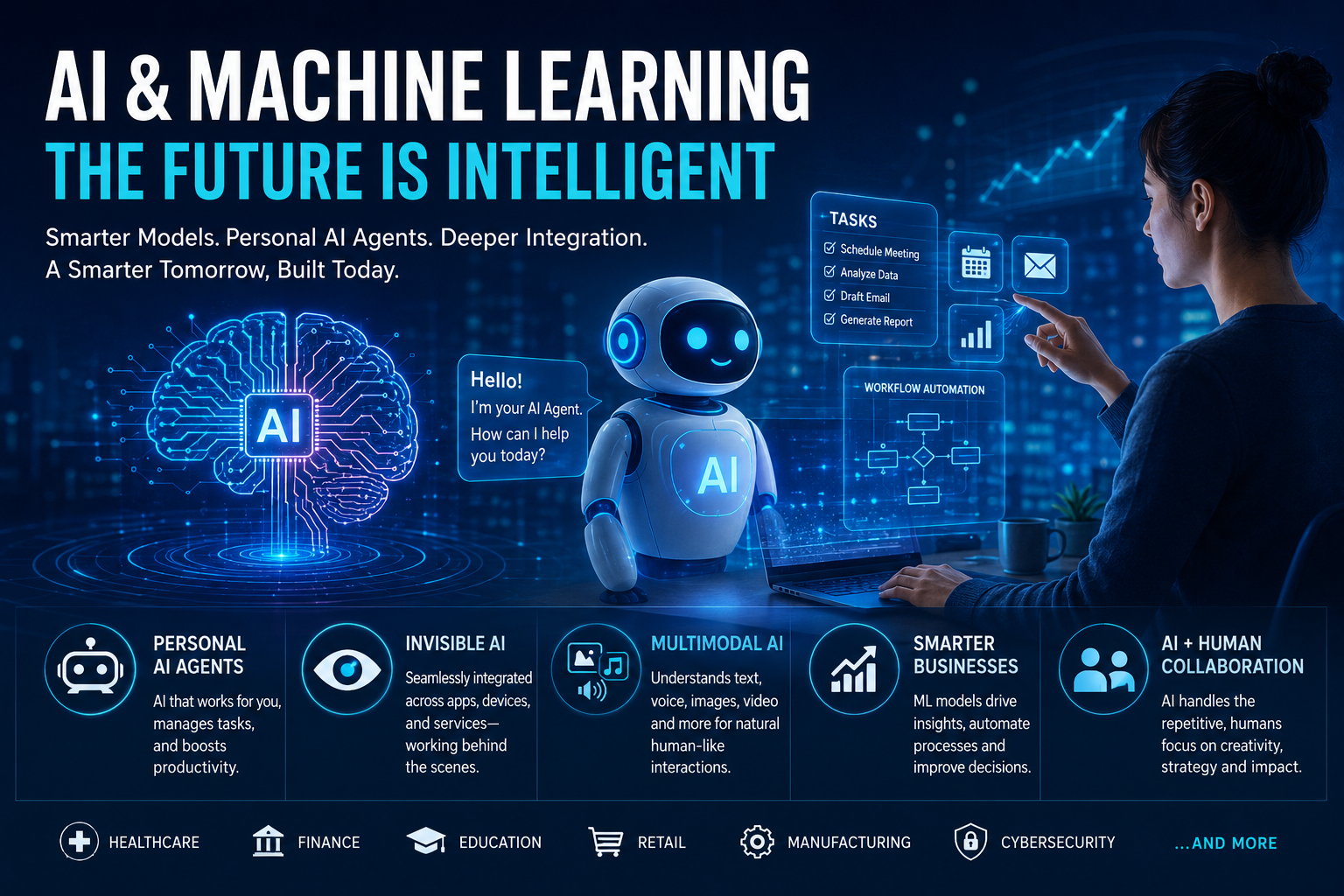
Artificial intelligence is rapidly transforming the global finance industry. From investment banking and risk analysis to fraud detection and customer service, AI tools like OpenAI’s ChatGPT and advanced automation systems are now deeply integrated into financial operations. Major financial companies such as JPMorgan Chase and Visa increasingly view themselves as technology-first organizations rather than traditional banks.
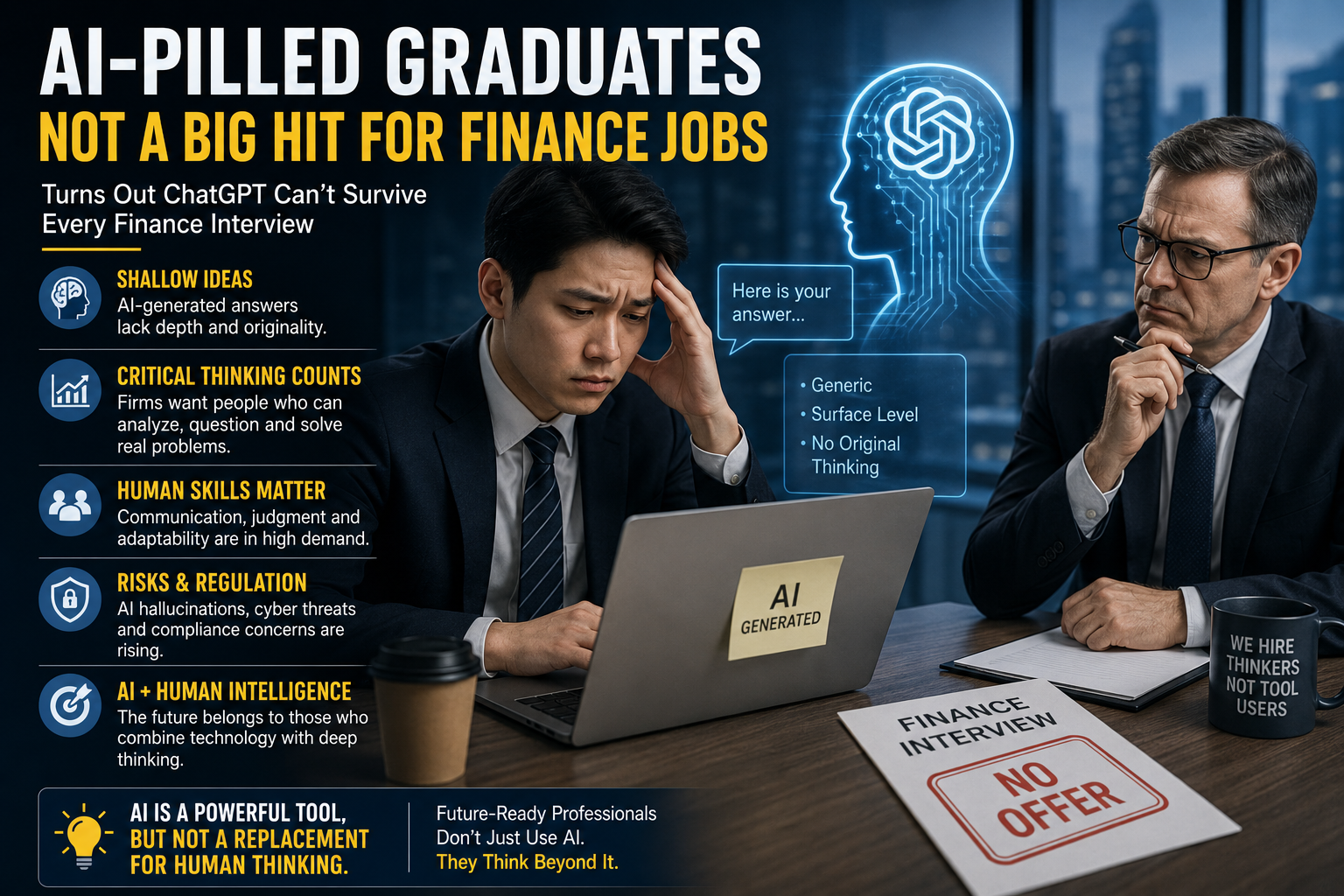
As AI adoption accelerates, employers are searching for graduates who understand artificial intelligence, machine learning, and data analytics. However, a surprising new trend is emerging across finance recruitment in 2026: companies are becoming less impressed with graduates who rely too heavily on AI-generated ideas without showing genuine analytical thinking or independent reasoning.
This shift is now changing hiring trends in investment banking, fintech, accounting, and corporate finance.
Why Finance Firms Are Concerned About “AI-Pilled” Graduates
According to recent discussions within the finance sector, many employers are noticing that some young professionals appear highly polished during interviews and presentations but struggle when executives challenge their thinking in depth.
These graduates, often described as “AI natives,” grew up using generative AI tools for assignments, research, and communication. Their reports may look professional, and their presentations may sound convincing, but finance leaders are increasingly finding that the underlying ideas can feel shallow, repetitive, or overly dependent on AI-generated responses.
In high-pressure industries like finance, investment management, and corporate strategy, employers need more than clean formatting and fast answers. They need professionals who can evaluate risk, identify flaws, solve complex problems, and make decisions during uncertain situations.
This growing concern is forcing companies to rethink how they evaluate talent in the AI era.
Finance Jobs in 2026 Require More Critical Thinking
AI Skills Alone Are No Longer Enough
For years, learning AI tools and automation software seemed like a guaranteed path to career success. Many graduates believed that mastering platforms such as ChatGPT, predictive analytics software, and financial AI systems would automatically make them attractive candidates.
But employers are now realizing that AI fluency without critical thinking creates a dangerous gap.
Finance executives increasingly want employees who can:
- Challenge AI-generated conclusions
- Detect errors and hallucinations in reports
- Analyze financial data independently
- Apply original thinking to market problems
- Make ethical and strategic decisions
This is especially important because AI systems can still produce inaccurate outputs, misleading insights, and biased recommendations. In fields involving investments, trading, compliance, and financial regulation, relying blindly on AI can create serious financial and legal risks.
As a result, finance firms are placing greater value on intellectual curiosity, reasoning ability, communication skills, and independent judgment.
The Growing Demand for Human Skills in an AI Workplace
Why Humanities Graduates Are Gaining Attention Again
Interestingly, some finance companies are now showing renewed interest in candidates from humanities and liberal arts backgrounds.
While technical skills remain valuable, employers are beginning to recognize that graduates trained in philosophy, history, psychology, economics, literature, and political science often demonstrate stronger critical thinking and communication abilities.
These candidates may excel at:
- Building persuasive arguments
- Understanding complex human behavior
- Writing thoughtful analysis
- Evaluating ethical implications
- Asking deeper strategic questions
In an AI-driven economy, these human-centered skills are becoming more valuable because machines still struggle with creativity, emotional intelligence, leadership, and nuanced judgment.
This hiring trend highlights a major shift in the future of work: companies no longer want employees who simply know how to use AI tools. They want professionals who can think beyond them.
AI Adoption in Financial Services Continues to Grow
Banks and Fintech Companies Are Investing Billions in AI
Despite concerns about overdependence on artificial intelligence, financial institutions continue investing heavily in AI technologies.
Banks and fintech firms are using AI for:
- Fraud prevention
- Customer support chatbots
- Market trend forecasting
- Credit scoring
- Portfolio management
- Cybersecurity protection
- Automated compliance monitoring
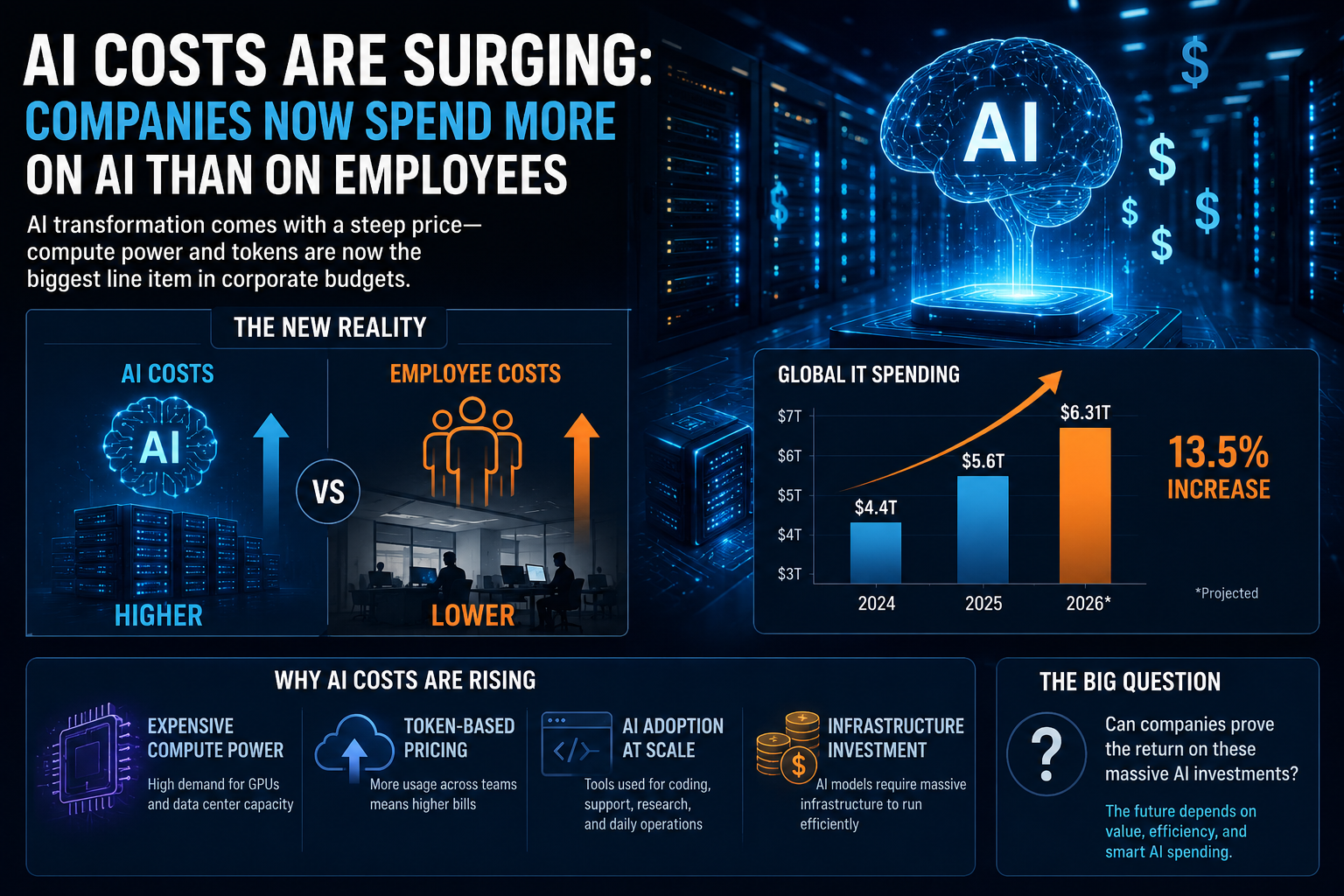
Meanwhile, companies like NVIDIA continue benefiting from the AI boom as demand for high-performance computing and AI infrastructure grows rapidly worldwide.
However, industry research shows that many AI systems are still mostly being used for operational and back-office functions rather than core strategic decision-making.
This means that while AI improves efficiency, human expertise remains essential for leadership, investment strategy, and risk management.
The Biggest Problem With Overusing AI in Education
Students May Be Losing Independent Thinking Skills
One major concern raised by employers is that excessive dependence on AI during university education could weaken students’ ability to think independently.
Many students now use AI tools for:
- Writing essays
- Solving financial models
- Summarizing research
- Preparing presentations
- Generating coding solutions
- Completing assignments faster
While these tools improve productivity, they may also reduce opportunities for deep learning and problem-solving practice.
Finance professionals worry that some graduates are entering the workforce without fully understanding the concepts behind the polished outputs they submit.
In competitive industries like investment banking, consulting, and private equity, surface-level understanding is rarely enough. Senior leaders expect employees to defend their ideas under pressure, explain assumptions clearly, and adapt quickly when conditions change.
AI can support these processes, but it cannot replace true expertise and intellectual depth.
Why AI Hallucinations and Cyber Risks Matter in Finance
Regulators Are Becoming More Cautious About Artificial Intelligence
Financial regulators around the world are also becoming increasingly cautious about AI adoption.
One growing concern involves AI hallucinations, where systems generate inaccurate or misleading information while sounding highly confident. In finance, even small errors can create major consequences involving compliance violations, investment losses, or reputational damage.
Cybersecurity is another major issue. As companies integrate AI into sensitive financial systems, the risks of data leaks, cyberattacks, and algorithmic manipulation continue rising.
Because of these concerns, regulators and financial institutions are developing stricter AI testing frameworks, governance policies, and oversight mechanisms.
This means future finance professionals must not only understand AI tools but also recognize their limitations and risks.
The Future of Finance Careers in the AI Era
Human Intelligence Will Remain the Competitive Advantage
The finance industry is clearly moving toward a hybrid future where artificial intelligence and human expertise work together.
AI will continue automating repetitive tasks and improving operational efficiency, but companies are increasingly realizing that their biggest competitive advantage still comes from human judgment, creativity, and strategic thinking.
The most successful finance professionals in the coming years will likely be those who can combine technical AI knowledge with:
- Deep analytical skills
- Emotional intelligence
- Business strategy expertise
- Ethical decision-making
- Adaptability and leadership
This changing reality explains why some firms are becoming less enthusiastic about “AI-pilled” graduates who depend too heavily on automation without demonstrating deeper understanding.
In the end, the future of finance may not belong to people who use the most AI tools — but to those who know when to question them.
Conclusion
Artificial intelligence is undoubtedly reshaping finance jobs, investment banking, and corporate hiring worldwide. AI literacy is now an important career skill, but companies are discovering that technology alone cannot replace independent thought, creativity, and critical reasoning.
As finance firms continue balancing automation with human expertise, graduates who develop both technical AI skills and strong analytical abilities will stand out the most in the competitive job market. The message from employers is becoming increasingly clear in 2026: AI can enhance intelligence, but it cannot replace genuine human thinking.