Can It Compete With Starlink’s Satellite Internet Dominance?
Introduction
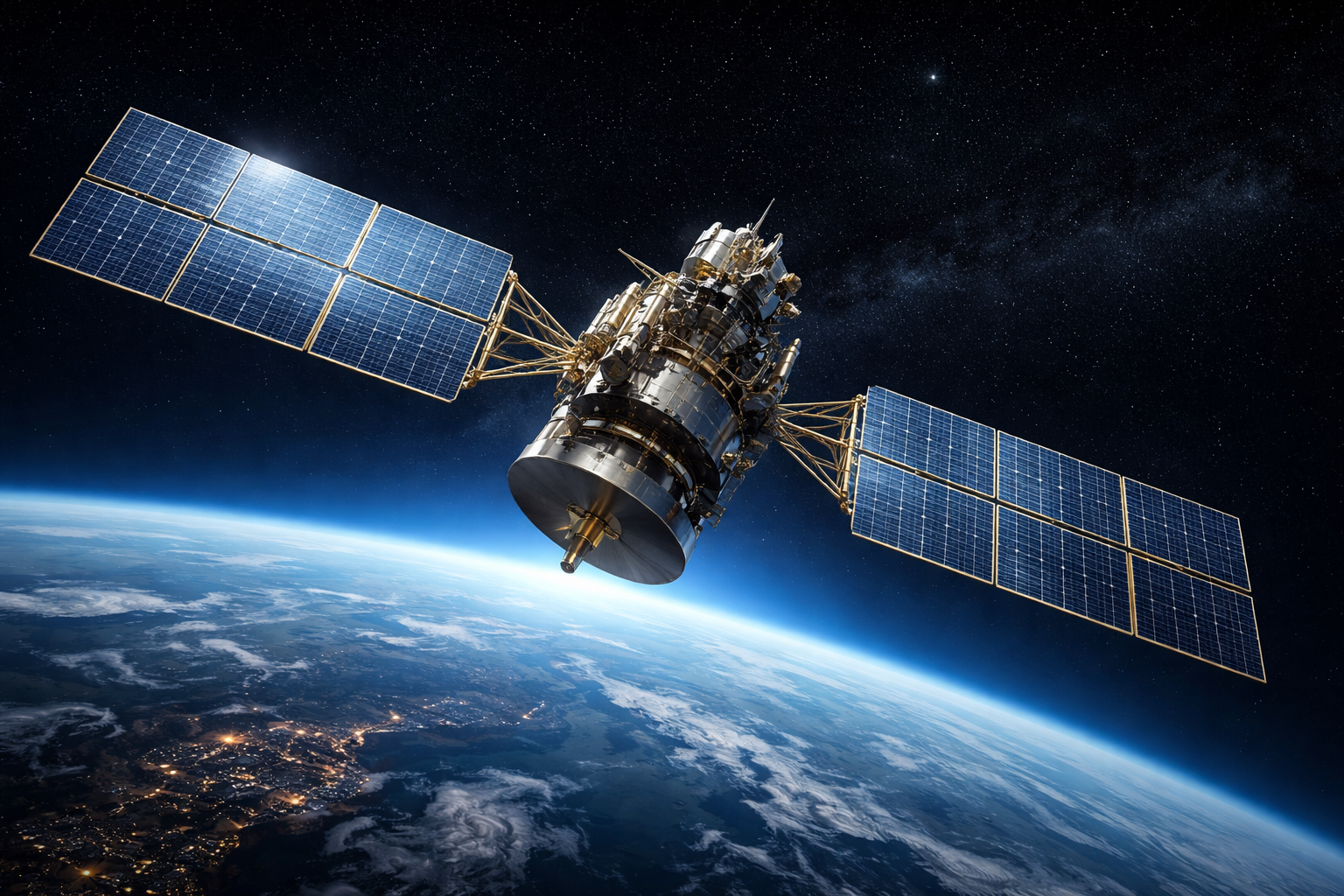
Amazon has announced a huge $11.57 billion acquisition of Globalstar, a daring effort to bolster its position in the quickly expanding satellite internet sector. This strategic agreement demonstrates Amazon’s sincere desire to take on SpaceX and its powerful Starlink network.
This agreement has the potential to drastically alter the future of internet access worldwide, as billions are being invested on space-based networking.
Why Amazon Is Buying Globalstar
Amazon has been working to expand its satellite internet ambitions under its Project Kuiper initiative, but it still trails far behind Starlink in terms of scale and deployment.
By acquiring Globalstar, Amazon gains:
- Access to existing satellite infrastructure
- Valuable Direct-to-Device (D2D) technology
- A stronger foothold in the satellite connectivity race
Globalstar currently operates around two dozen satellites, which Amazon will integrate into its growing network of over 200 satellites already in orbit.
What Is Direct-to-Device (D2D) Technology?
One of the biggest advantages of this deal is Globalstar’s Direct-to-Device (D2D) capability.
Key Benefits:
- Connects smartphones directly to satellites
- Eliminates the need for cell towers
- Works in remote or disaster-hit areas
- Powers emergency services like SOS signals
This technology is already used in devices from Apple, including iPhones and Apple Watches.
Amazon vs Starlink: The Real Competition
While Amazon is making progress, Starlink still holds a massive lead.
Starlink’s Current Position:
- Over 10,000 satellites deployed
- More than 9 million global users
- Rapid launch pace (dozens of satellites per mission)
Amazon’s Challenge:
Amazon plans to deploy 3,200 satellites by 2029, with half required by a regulatory deadline in 2026.
Despite the ambitious plan, catching up to Starlink’s scale will be a significant challenge.
Apple Partnership Remains Intact
One major concern was whether Globalstar’s existing partnership with Apple would continue.
The good news:
- Amazon confirmed that Apple’s satellite services will remain unchanged
- Apple previously invested $1.5 billion in Globalstar
- Apple also holds 20% equity in the company
This ensures that features like:
- Emergency SOS
- Find My tracking
will continue to work seamlessly for users.
Market Reaction and Industry Impact
The announcement had an immediate effect on the market:
- Globalstar shares jumped over 10%
- Amazon stock rose around 3%
- MDA Space (a key contractor) saw a 9% increase
This reflects strong investor confidence in Amazon’s long-term satellite strategy.
Expert Opinion
Industry experts believe this move could significantly shift the competitive landscape.
Armand Musey, a leading analyst, noted that:
Amazon has been behind Starlink in satellite broadband, but this acquisition could help it catch up and even lead in Direct-to-Device services.
The Future of Satellite Internet
The race for satellite-based connectivity is heating up as tech giants invest heavily in space infrastructure.
What to Expect:
- Faster global internet coverage
- Expansion into underserved regions
- Growth in emergency communication services
- Increased competition between Amazon and SpaceX
Amazon aims to roll out its satellite internet services later this year, with D2D capabilities expected by 2028.
Conclusion
Amazon’s $11.57 billion acquisition of Globalstar marks a turning point in the satellite internet industry. While Starlink remains the current leader, Amazon is clearly positioning itself as a serious competitor.
With strong technology, strategic partnerships, and massive investment, the battle for space-based internet dominance is just getting started.