A Bold Comeback in the AI Era
Amazon Smartphone 2026: A Second Chance Powered by AI
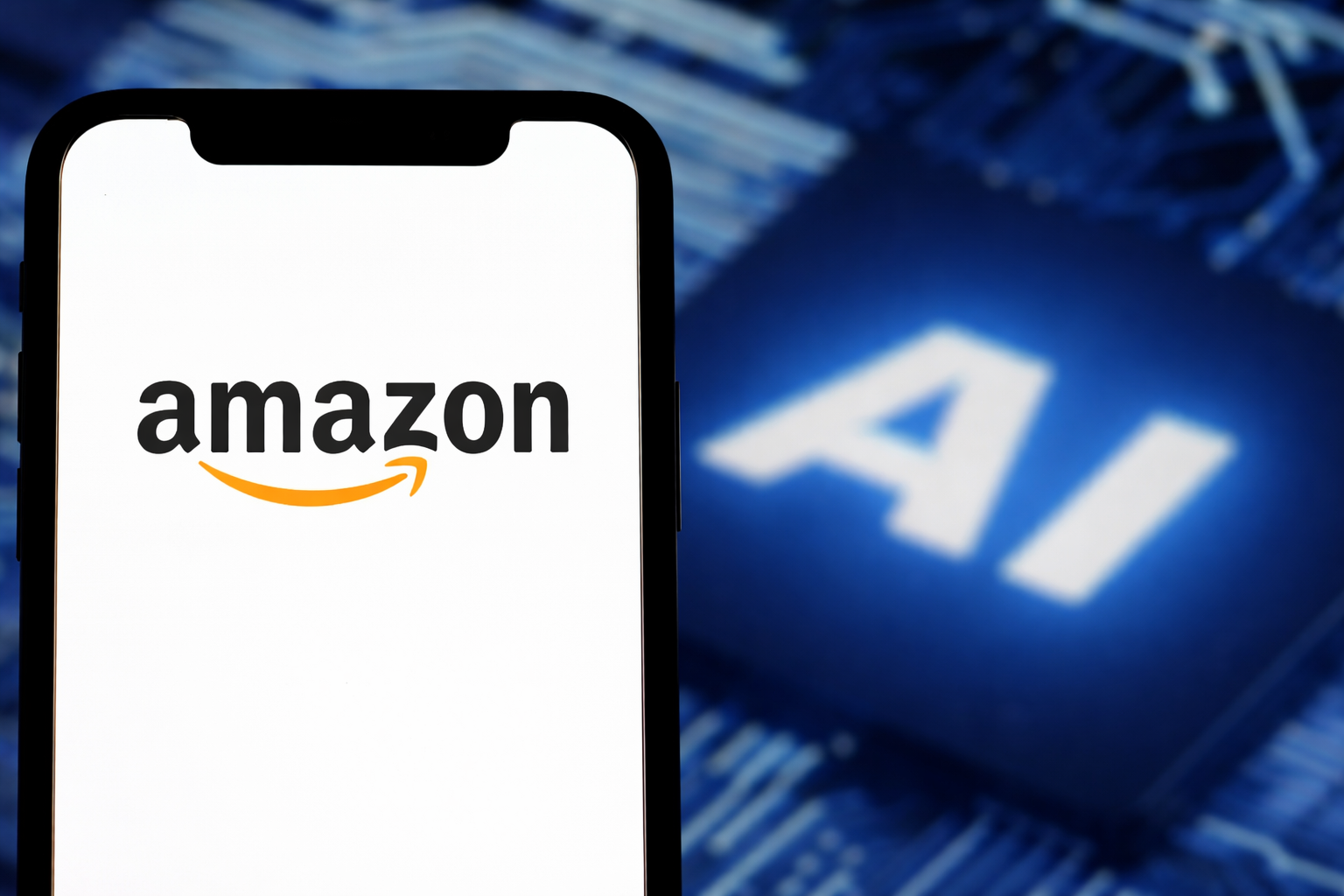
Amazon is apparently developing a new smartphone exclusively for the AI-driven future, which is an unexpected development. The project, code-named “Transformer,” is reportedly being developed within the company’s devices and services business. More than ten years after its initial attempt failed, this move indicates Amazon’s fresh intention to re-enter the fiercely competitive smartphone market.
This time, in contrast to its previous endeavor, Amazon is putting a lot of emphasis on personalization, artificial intelligence, and greater ecosystem connectivity.
A Vision Built Around AI and Personalization
The upcoming Amazon phone is expected to function as an AI-first device, designed to adapt to users’ daily habits and preferences. At the heart of this innovation is Alexa, Amazon’s voice assistant, which will likely play a central role in delivering a seamless, personalized experience.
The device aims to act as a continuous connection to Amazon’s services, including:
- Amazon Shopping
- Prime Video
- Prime Music
- Food delivery partnerships like Grubhub
This integrated approach could redefine how users interact with their smartphones, potentially reducing reliance on traditional app stores. Instead of downloading apps, users may rely on AI-powered interactions to perform tasks instantly.
The Team Behind the Innovation
The project is reportedly being led by the ZeroOne team, a specialized group focused on creating breakthrough technologies. Heading this initiative is J Allard, a former Microsoft executive known for his contributions to Xbox and Zune.
Allard is working under Panos Panay, another former Microsoft leader who now oversees Amazon’s broader devices and services division. This leadership lineup suggests that Amazon is serious about making a strong impact with its next-generation device.
Learning from the Fire Phone Failure
Amazon’s previous attempt—the Fire Phone (2014)—serves as a cautionary tale. Despite innovative features like a 3D display and object-recognition technology, the device failed to gain traction.
Key reasons for its failure included:
- Limited app availability due to the Fire OS ecosystem
- Battery issues caused by advanced features
- Lack of consumer demand
The company eventually discontinued the device after just 14 months and absorbed a $170 million loss.
This time, Amazon appears to be taking a more strategic and user-focused approach by prioritizing AI functionality over experimental hardware gimmicks.
A Different Approach: Minimalism and Smart Integration
Interestingly, Amazon is exploring multiple versions of the device. Alongside a standard smartphone, the company is also considering a minimalist model aimed at reducing screen addiction. This aligns with growing global concerns about excessive smartphone usage and digital well-being.
Rather than replacing the operating system entirely, Alexa will likely enhance the experience without dominating it. This balanced approach could make the device more appealing to mainstream users.
Challenges and Uncertainty Ahead
Despite the excitement, the project is still in its early stages. Amazon has not yet initiated discussions with wireless carriers, and details about the release timeline and budget remain unclear.
There’s also the possibility that the project could be canceled altogether—something not uncommon in large tech companies experimenting with new ideas.
Conclusion: Can Amazon Succeed This Time?
Amazon’s return to the smartphone market comes at a time when AI is reshaping the tech landscape. By focusing on personalization, ecosystem integration, and smarter user experiences, the company has a real opportunity to differentiate itself.
However, success will depend on execution, user adoption, and whether Amazon can truly deliver a device that stands out in a market dominated by established players.
If done right, the Amazon AI smartphone could mark a significant shift in how we use mobile devices in the years ahead.