Farthest Distance Between Humans Ever Achieved
Artemis 2 and Tiangong Astronauts Break Record for Maximum Distance Between Humans in Space
A new phase of space exploration has begun, and this time the focus is not just on how far humans can fly from Earth but also on how far apart they can be in space.
On April 6, astronauts from China’s Tiangong space station and NASA’s Artemis 2 mission unintentionally set a record for the furthest human-to-human distance.
This milestone demonstrates not only the advancement of technology but also the expanding human presence beyond Earth.
A Record-Breaking Moment in Space History
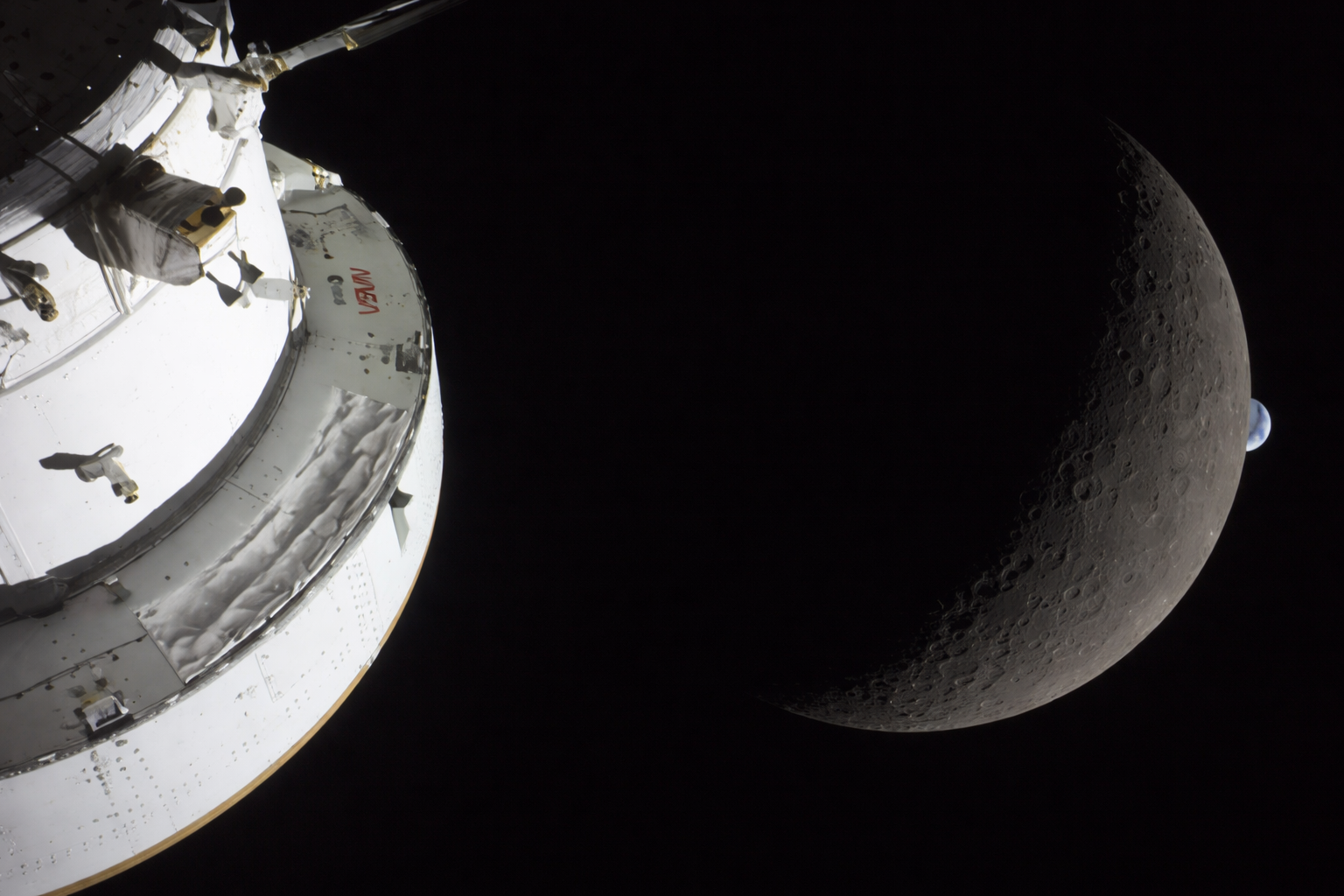
The record occurred when the Artemis 2 spacecraft, Orion (nicknamed “Integrity”), traveled around the far side of the Moon.
At that exact moment:
- The Artemis 2 crew was orbiting the Moon
- Three astronauts were aboard China’s Tiangong space station in low Earth orbit
The distance between them reached an astonishing 260,754 miles (419,643 kilometers)—the largest separation ever recorded between humans in space.
How the Discovery Was Made
This unique record wasn’t officially planned or announced—it was calculated afterward.
Astrophysicist Jonathan McDowell analyzed orbital data and realized something extraordinary.
Initially, he believed astronauts aboard the International Space Station might hold the record for being farthest from Artemis 2. However, further calculations revealed that Tiangong was slightly farther away.
His curiosity—and a few questions from the online space community—led to the discovery of this unexpected milestone.
Comparing Distances – Tiangong vs ISS
Here’s how the distances stacked up:
- Artemis 2 to Tiangong: 260,754 miles (419,643 km)
- Artemis 2 to ISS: 260,715.5 miles (419,581 km)
The difference may seem small, but it was enough to set a new record.
This moment shows how even minor orbital differences can create historic outcomes in space exploration.
Breaking a Record from the Apollo Era
Before Artemis 2, the previous record dated back over 50 years.
It was set during the Apollo 13 mission in April 1970. During that near-disastrous journey, astronauts used the Moon’s gravity to slingshot back to Earth after an onboard explosion.
At that time:
- There were no space stations orbiting Earth
- Human presence in space was limited to a single mission
Today, with multiple crews in orbit and missions reaching deep space, the potential for such records has expanded significantly.
Why This Record Matters for the Future
At first glance, this record might seem like just another interesting statistic. But its deeper meaning is far more important.
According to McDowell, this milestone signals a shift in how we measure human presence in space.
Instead of asking:
“How far from Earth can humans go?”
We’re now beginning to ask:
“How far apart can human civilization spread?”
This marks the early stages of a future where humans may live and work across multiple planets, moons, and space stations.
A Glimpse Into the Future of Space Exploration
As space missions become more frequent and international collaboration grows, moments like this will likely become more common.
We may soon see:
- Crews on the Moon and Mars at the same time
- Space stations orbiting different planets
- Humans spread across vast regions of the solar system
One day, the distance between humans could stretch from Mercury to Saturn’s moons—something that once seemed impossible.
Conclusion: A Small Moment, A Giant Leap for Humanity
The record set by Artemis 2 and the Tiangong astronauts may have lasted only a few moments, but its significance is lasting.
It represents a turning point—from isolated missions to a growing human presence across space.
As humanity continues to expand beyond Earth, this record reminds us of one simple truth:
We are no longer just exploring space—we are beginning to live in it.