
Why NASA’s Launch Hub Faces a Critical Funding Challenge
Aerospace executives are becoming increasingly concerned about the future of the Kennedy Space Center, one of America’s most famous space facilities. NASA officials caution that inadequate infrastructure investment and strained state ties could jeopardize the facility’s long-term viability as space launches rise and commercial firms expand operations.
The link between NASA and Space Florida, the state’s aerospace development organization, is at the heart of the controversy. Policymakers, aerospace firms, and industry experts are debating Florida’s long-term role in the global space race as a result of the scenario.
This article examines the reasons why Kennedy Space Center’s future is in jeopardy, the difficulties it faces, and the potential for competition from other states to change the US space sector.
The Growing Importance of Kennedy Space Center in the New Space Age
For nearly six decades, Kennedy Space Center has served as one of the most important launch sites in the world. Located on Florida’s Atlantic coast, the facility has supported historic missions—from the Apollo moon landings to the Space Shuttle program.
Today, its role has expanded even further. The center now hosts both government and commercial missions, including launches from companies such as SpaceX and Blue Origin.
Launch activity has surged dramatically in recent years. In fact, the number of launches from the spaceport has more than tripled in the past five years, reflecting a broader boom in the global commercial space industry.
According to Kennedy Space Center Director Janet Petro, this rapid growth has created new challenges that require urgent attention.
“We stand at a pivotal moment,” Petro warned while addressing lawmakers in Florida’s capital.
Infrastructure Strain: The Hidden Challenge Behind Space Launches
Despite the impressive rise in launch activity, the infrastructure supporting the spaceport is under increasing pressure.
Petro explained that Kennedy Space Center now functions like a small city, sharing operations with Cape Canaveral Space Force Station. Together, they form the world’s busiest spaceport.
However, the growing number of launches requires upgrades in several critical areas:
- Roads and transportation networks
- Electrical grid capacity
- Wastewater systems
- Utilities and communication infrastructure
- Research and development facilities
Currently, NASA’s federal budget primarily funds mission operations, spacecraft, and research programs, not large-scale infrastructure projects such as roads or utilities.
That means state support is essential.
Without these improvements, Petro warned, the center may eventually face launch delays simply due to insufficient support infrastructure.
Tensions Between NASA and Space Florida
One of the major issues surrounding Kennedy Space Center is the strained relationship between NASA and Space Florida.
Space Florida is responsible for growing the state’s aerospace industry, but its approach differs from what NASA leaders believe is necessary.
Instead of providing direct funding to federal space operations, the state agency focuses on:
- Incentives for aerospace companies
- Long-term partnerships with private firms
- Infrastructure investments benefiting commercial facilities
For example, Space Florida recently invested in water and sewer systems along a former runway near the center to attract aerospace companies.
However, NASA officials argue that more direct infrastructure investment at Kennedy Space Center is urgently needed.
The Artemis II Mission Raises the Stakes
The debate comes at a particularly important time for NASA.
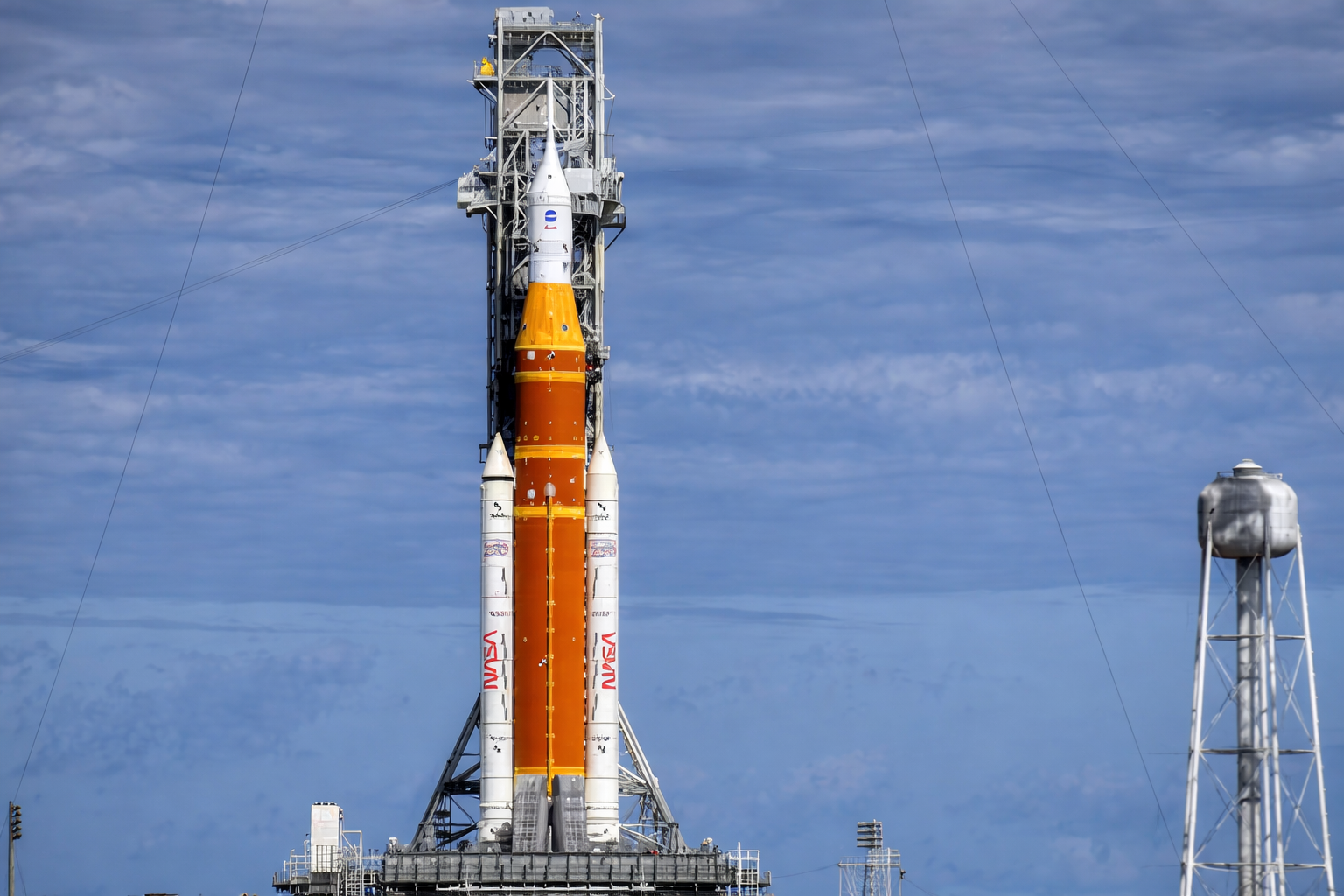
The agency is preparing for Artemis II—its first crewed mission around the Moon in more than 50 years.
The mission will launch using the Space Launch System rocket and the Orion spacecraft, carrying astronauts on a lunar flyby that will test systems designed for long-term space exploration.
This mission is a major step in NASA’s plan to:
- Establish a sustainable human presence on the Moon
- Prepare for future Mars missions
- Expand international and commercial cooperation in space
With such a historic mission approaching, ensuring that Kennedy Space Center has reliable infrastructure is becoming even more critical.
Rising Competition From Other States
While Florida debates funding priorities, other states are aggressively investing in their own space industries.
One major competitor is Texas.
Home to Johnson Space Center, Texas recently created the Texas Space Commission to strengthen partnerships with NASA and commercial companies.
The state has already invested over $350 million in space-related projects and is planning a $200 million research facility featuring simulated lunar and Martian environments.
This strategy contrasts sharply with Florida’s approach.
As Petro explained, Texas is focused on direct investment with NASA, while Florida prioritizes broader economic partnerships.
Political Debate in Florida
Florida lawmakers are now debating how to respond to NASA’s concerns.
Governor Ron DeSantis proposed a funding package that includes:
- $17.5 million for Space Florida’s operating budget
- $5 million for wastewater infrastructure supporting launch companies
- $10 million for aerospace startup development
However, the proposal remains stalled during legislative budget negotiations.
Some lawmakers acknowledge the seriousness of the issue.
Senator Tom Wright described Petro’s presentation as a “wake-up call,” noting that significant gaps exist between NASA and state policymakers.
Another Dispute: Who Controls Spaceport Development?
Another major point of friction involves development rights around the spaceport.
Space Florida has proposed creating a “unified spaceport” linking Kennedy Space Center and Cape Canaveral.
However, both facilities are located on federal land, which NASA insists remains under federal authority.
Florida lawmakers are attempting to clarify the issue.
Representative Kim Kendall introduced legislation to clearly define what areas the state can develop and what remains under federal jurisdiction.
So far, the bill has not advanced.
Why the Future of Kennedy Space Center Matters
The debate over Kennedy Space Center is about more than just funding—it reflects the rapidly evolving global space industry.
Commercial spaceflight is expanding quickly, with private companies launching satellites, cargo missions, and human spaceflight programs at an unprecedented rate.
Kennedy Space Center plays a central role in this transformation.
The facility currently maintains more than 450 agreements with private companies, and about 70% of its launches are now commercial.
If infrastructure fails to keep pace with demand, NASA officials warn that companies could eventually shift operations elsewhere.
The Bottom Line
The warning from NASA’s Kennedy Space Center director highlights a crucial reality: the future of America’s leadership in space may depend on decisions being made today.
As launch activity continues to surge and new missions like Artemis II push humanity back toward the Moon, the need for strong partnerships between federal agencies, state governments, and private industry has never been greater.
Whether Florida strengthens its support for Kennedy Space Center—or risks losing ground to competitors like Texas—could shape the trajectory of the next era of space exploration.