How to Watch NASA’s Artemis 2 Moon Mission Live on April 1 (Complete Guide)
The countdown has begun for one of the most historic space events of our time. NASA is preparing to launch Artemis 2, the first crewed mission to the Moon in more than 50 years. If you’re excited to witness history in the making, this guide will show you exactly how, when, and where to watch the launch live—along with everything you need to know about the mission.
What Is Artemis 2? A Historic Return to the Moon
Artemis 2 is part of NASA’s ambitious Artemis program, designed to return humans to the Moon and eventually prepare for missions to Mars. This mission is especially significant because it marks the first time astronauts will travel to the Moon since the Apollo 17 Moon Landing in 1972.
Unlike earlier test missions, Artemis 2 will carry a full crew on a round-the-Moon journey, making it a major milestone in modern space exploration.
Artemis 2 Launch Date and Time
Here’s when you can watch the launch live:
- Launch Date: April 1
- Launch Time: 6:24 p.m. EDT (10:24 p.m. GMT)
- Live Coverage Starts: 12:50 p.m. EDT
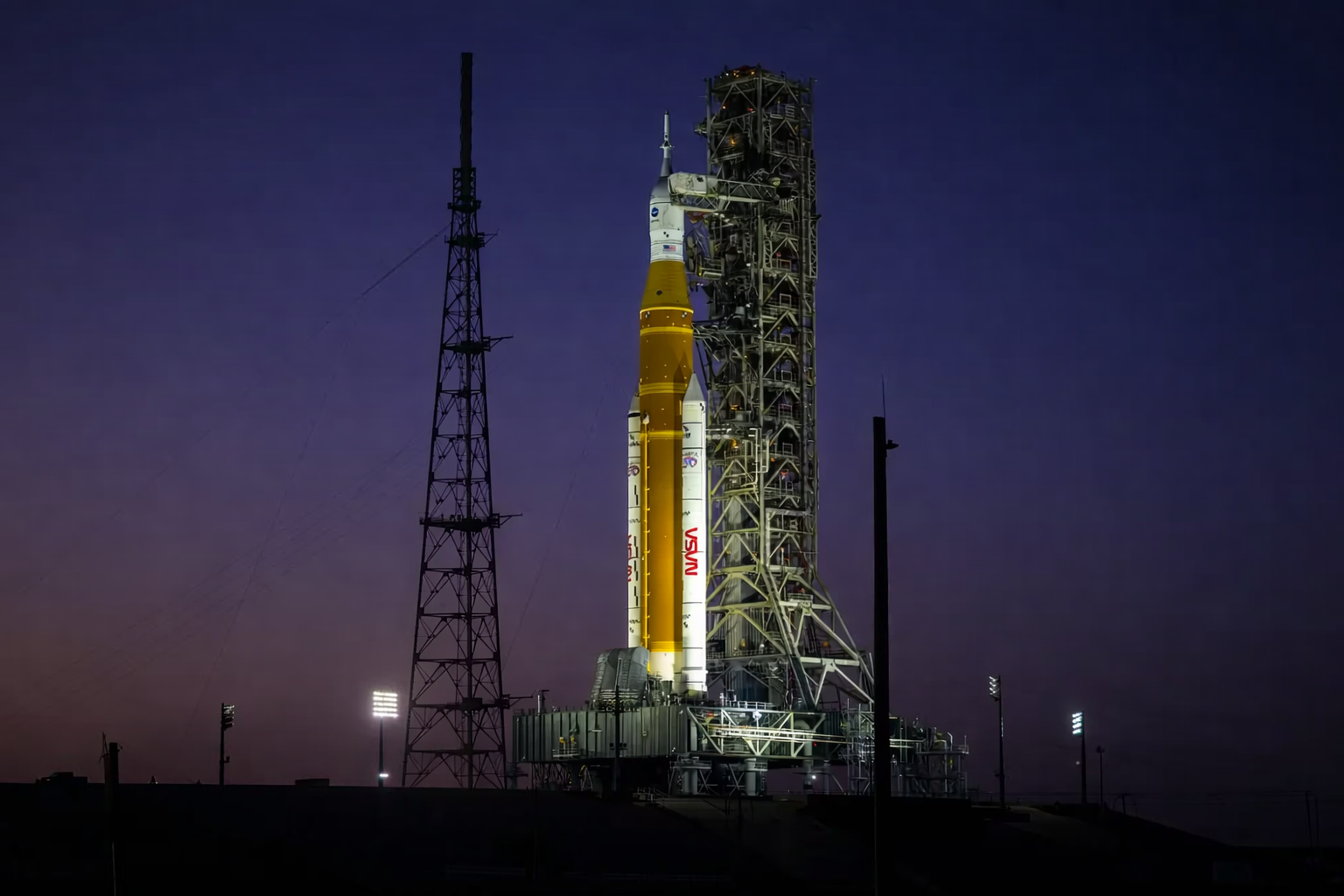
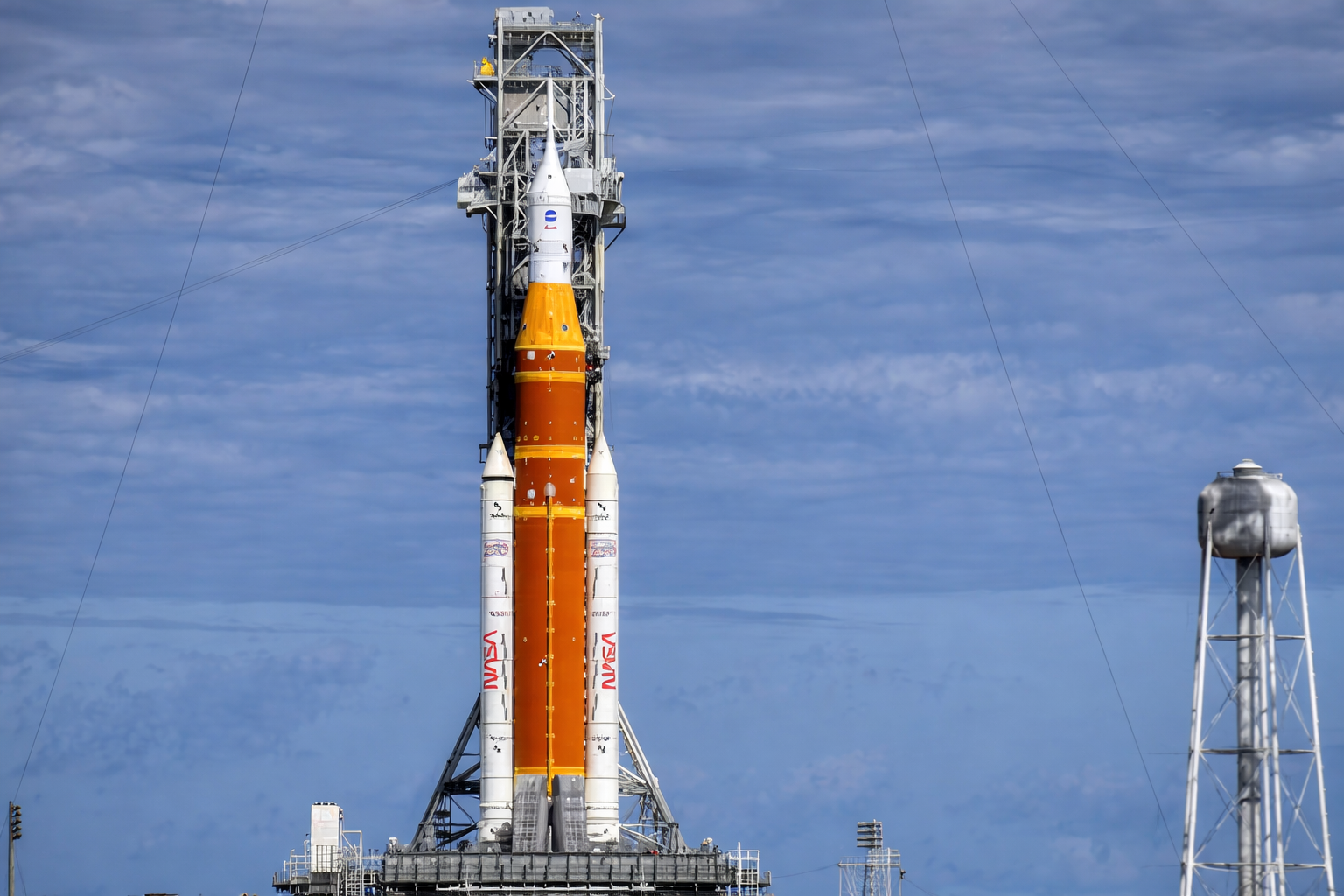
The launch will take place at the iconic Kennedy Space Center in Florida, a site known for hosting some of humanity’s greatest space missions.
How to Watch Artemis 2 Live
You can watch the Artemis 2 launch through multiple platforms:
- NASA’s official live stream
- Coverage via major space media platforms like Space.com
- NASA TV and social media channels
Expect a full multimedia experience, including live commentary, astronaut interviews, and real-time updates.
Meet the Artemis 2 Astronauts
This historic mission will be led by a diverse and highly skilled crew:
- Reid Williams – Commander
- Victor Glover – Pilot
- Christina Koch – Mission Specialist
- Jeremy Hansen – Mission Specialist (from Canadian Space Agency)
Together, they represent a new era of international collaboration in space exploration.
Mission Journey: What Will Happen After Launch?
1. Liftoff and Earth Orbit
The miss……………………………………………………………………………………..ion begins with launch aboard NASA’s powerful rocket system, reaching low Earth orbit shortly after liftoff.
2. Trans-Lunar Injection (TLI)
About 24 hours later, the spacecraft will perform a critical maneuver called trans-lunar injection, sending the crew toward the Moon.
3. Lunar Flyby
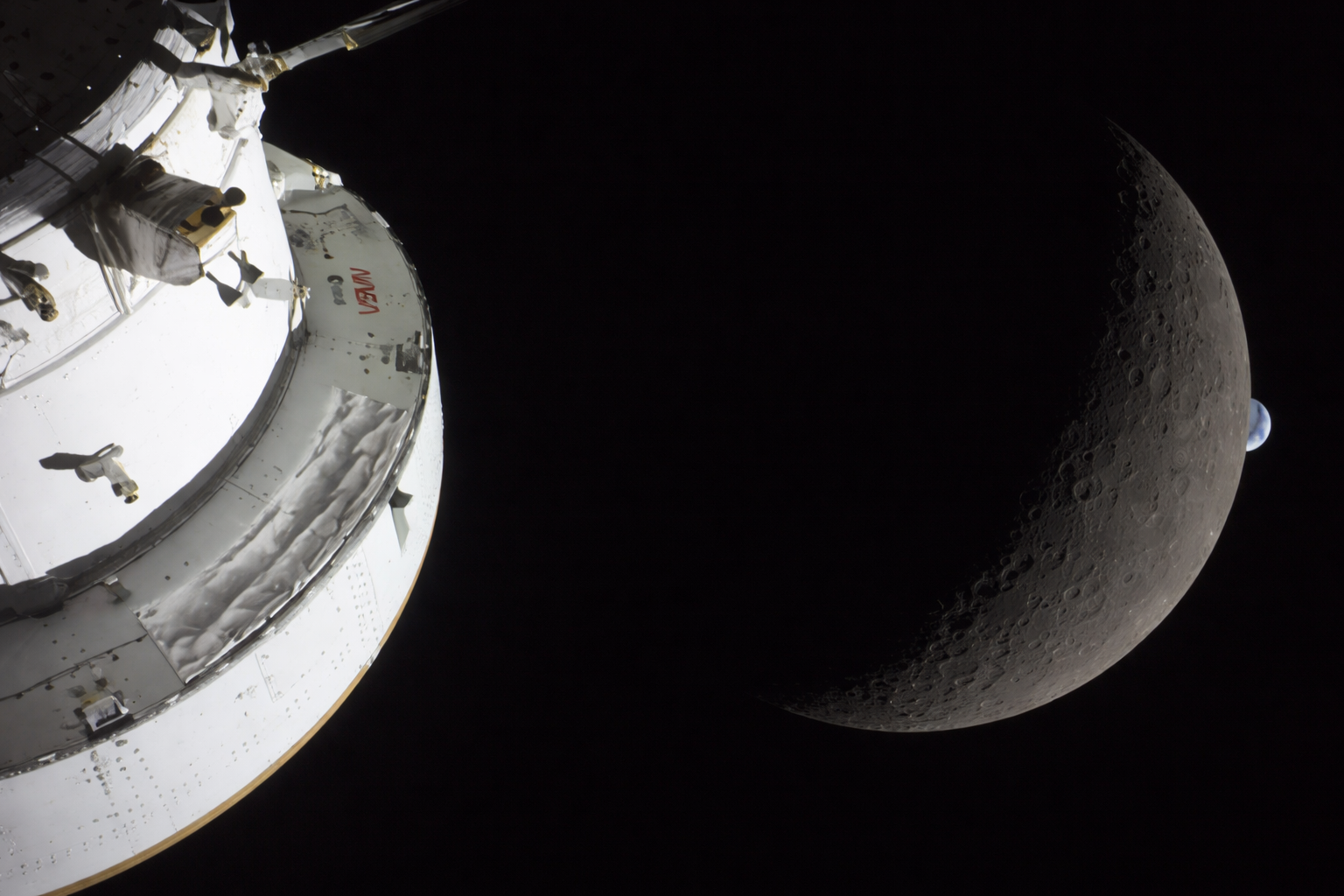
One of the most exciting moments will occur when the spacecraft passes behind the Moon. At a distance of around 5,000 miles (8,000 km), astronauts will observe the lunar surface in incredible detail.
4. Return to Earth
After approximately 10 days in space, the mission will conclude with a splashdown near San Diego, assisted by the U.S. Navy.
Live Coverage and What You’ll See
NASA is planning an immersive viewing experience, including:
- 24/7 camera feeds from the Orion spacecraft (where possible)
- Daily astronaut communications with Earth
- Potential live interaction with the International Space Station
- Real-time updates and press briefings
While video quality may vary due to distance and signal limitations, the mission promises unprecedented access to deep-space travel.
Spacecraft and Technology Behind Artemis 2
Space Launch System (SLS)
The powerful rocket designed to carry astronauts beyond Earth orbit for the first time in decades.
Orion Spacecraft
A next-generation crew capsule built for deep-space missions. Orion has already been tested in earlier uncrewed missions, including Artemis 1.
Why Artemis 2 Matters
Artemis 2 is more than just a mission—it’s a stepping stone to the future of human space exploration. It will:
- Test critical systems for long-duration spaceflight
- Study astronaut health in deep space conditions
- Prepare for future Moon landings under Artemis 3
- Strengthen international partnerships in space
Final Thoughts
The Artemis 2 mission marks a powerful return to deep space and a new chapter in human exploration. Whether you’re a space enthusiast or just curious about humanity’s next giant leap, this is an event you won’t want to miss.
Set your reminders, tune in early, and get ready to witness history as NASA sends humans back toward the Moon once again. 🌕