What’s Happening Around Earth?
Early in 2026, scientists and skywatchers around the world became interested in something strange. New concerns about space activity around Earth have been sparked by an abrupt increase inmassive, explosive fireballs entering Earth’s atmosphere.
This wave is anything but typical, from thunderous sonic booms to meteor pieces smashing into houses. What what is going on, then, and should we be worried?
What Are Fireballs and Why Are They Important?
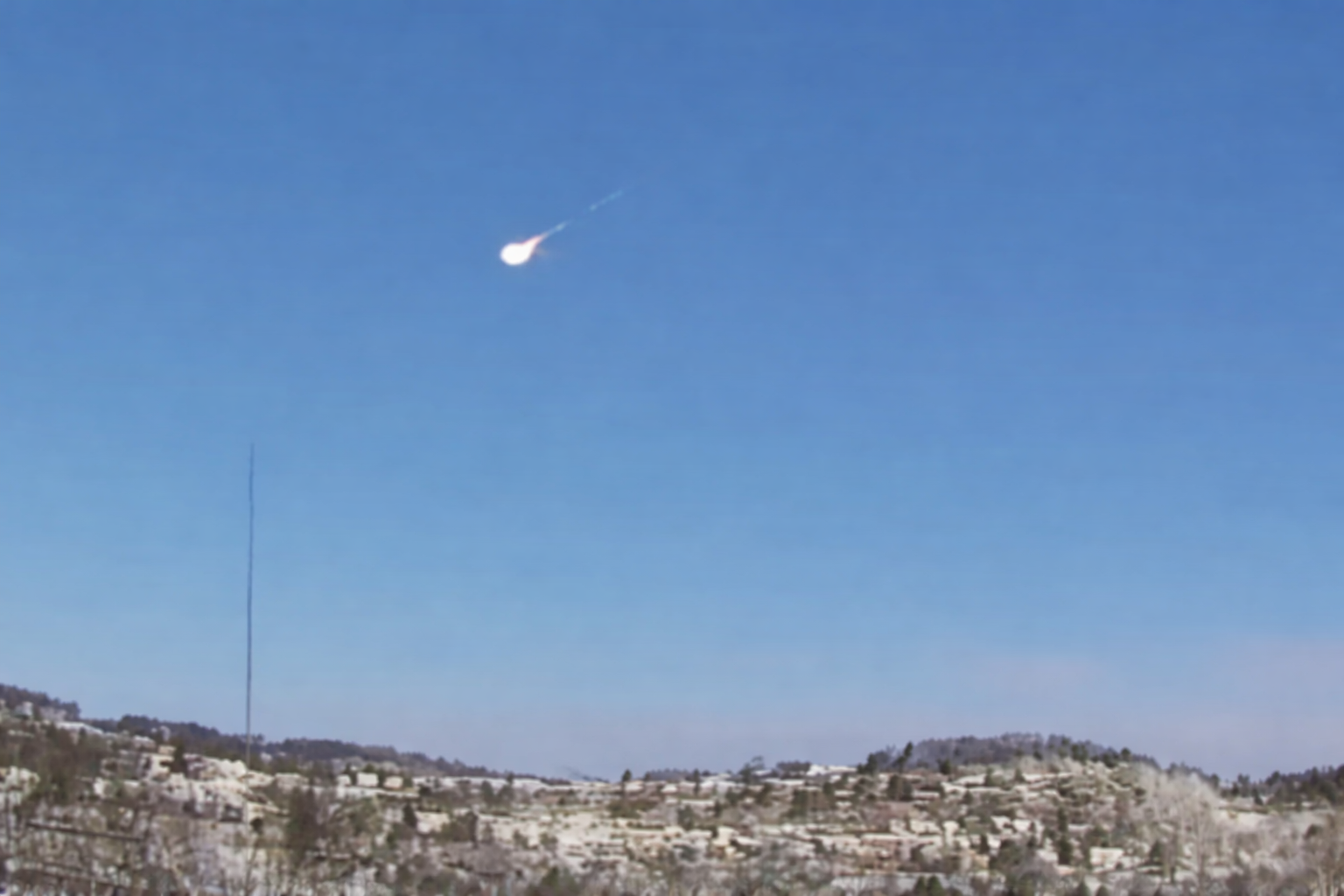
Fireballs are extremely bright meteors that streak across the sky, often visible even during daylight. Unlike typical meteors—which are usually tiny dust particles—fireballs are caused by larger space rocks entering Earth’s atmosphere at high speeds.
These objects:
- Burn intensely due to atmospheric friction
- Often explode mid-air
- Can sometimes reach the ground as meteorites
Organizations like the American Meteor Society closely track these events to understand patterns and potential risks.
The 2026 Fireball Surge: What We Know So Far
According to recent data, the first three months of 2026 have seen a noticeable increase in large fireball events across the globe.
Key Observations:
- Over 2,046 fireballs recorded in early 2026
- Events reported from regions including the U.S. and Europe
- Increase not just in number—but in size and intensity
While the total number of fireballs is only slightly higher than previous years, scientists emphasize that the size of incoming objects has significantly increased.
Houston Incident: A Wake-Up Call
One of the most dramatic examples occurred in Houston, where a massive space rock entered Earth’s atmosphere.
What Happened?
- A one-ton meteor entered the atmosphere
- It exploded about 30 miles above the ground
- The explosion generated a sonic boom equal to 26 tons of TNT
- A fragment broke through a residential roof and landed inside a home
This incident highlights the potential danger of larger meteors making it through the atmosphere.
A Sonic Boom Every Few Days?
Experts suggest that events like this are becoming more frequent.
Researcher Mike Hankey, who works with the American Meteor Society, analyzed over a decade of data and found a concerning trend.
His Findings:
- Fireball activity had been relatively stable since 2011
- Recent data shows a clear shift in activity patterns
- Larger meteors are entering Earth’s atmosphere more frequently
In fact, the data suggests that significant fireball events could now be occurring every few days.
Why Is This Happening?
At this stage, scientists don’t have a definitive answer—but several theories are being explored.
Possible Causes of the Fireball Surge
1. Earth Passing Through a Dense Debris Field
Our planet may be moving through a region of space filled with larger-than-usual fragments.
2. Asteroid Fragmentation
A recent asteroid breakup could be sending more debris toward Earth.
3. Orbital Changes in Space Debris
Gravitational interactions with planets may have altered the paths of existing space rocks.
Should We Be Worried?
The good news is that Earth’s atmosphere still acts as a powerful shield. Most incoming objects:
- Burn up before reaching the ground
- Break apart at high altitudes
- Pose little to no risk to people
However, larger objects—like the one seen over Houston—can occasionally survive the journey.
Key Takeaway:
While the risk remains low, the increase in size and frequency is something scientists are taking seriously.
How Scientists Are Tracking These Events
Groups like the American Meteor Society rely on:
- Public reports
- Satellite data
- Ground-based observation systems
This global effort helps researchers identify patterns and improve early detection systems.
The Bigger Picture: What This Means for Earth
The 2026 fireball surge is a reminder that Earth exists in a dynamic and sometimes unpredictable cosmic environment.
As monitoring technology improves, scientists hope to:
- Better understand meteor origins
- Predict future events
- Improve planetary defense strategies
Final Thoughts
The surge of fireballs in 2026 is not just a fascinating astronomical event—it’s a scientific mystery unfolding in real time.
While there’s no immediate cause for alarm, the increase in larger space rocks entering Earth’s atmosphere is something researchers are watching closely.
As Mike Hankey and others continue their investigations, we may soon uncover whether this is a temporary spike—or the beginning of a new cosmic pattern.