
Moon Landing Delayed as Agency Adopts Safer Step-by-Step Plan
NASA Revises Artemis Moon Mission Timeline Amid Technical Challenges
In a significant shift to its lunar exploration strategy, NASA has announced that the Artemis III mission will no longer attempt a human moon landing as originally planned. Instead, the agency is adopting a more gradual, risk-managed approach to return astronauts to the Moon.
NASA Administrator Jared Isaacman announced the updated plan as the agency deals with safety issues and technical setbacks related to the Artemis program. In order to test vital systems and technologies, Artemis III will now launch into low-Earth orbit in 2027 instead of landing astronauts on the moon. With the recently scheduled Artemis IV mission, the first human lunar landing under the Artemis program is currently scheduled for 2028.
Why NASA Delayed the Moon Landing
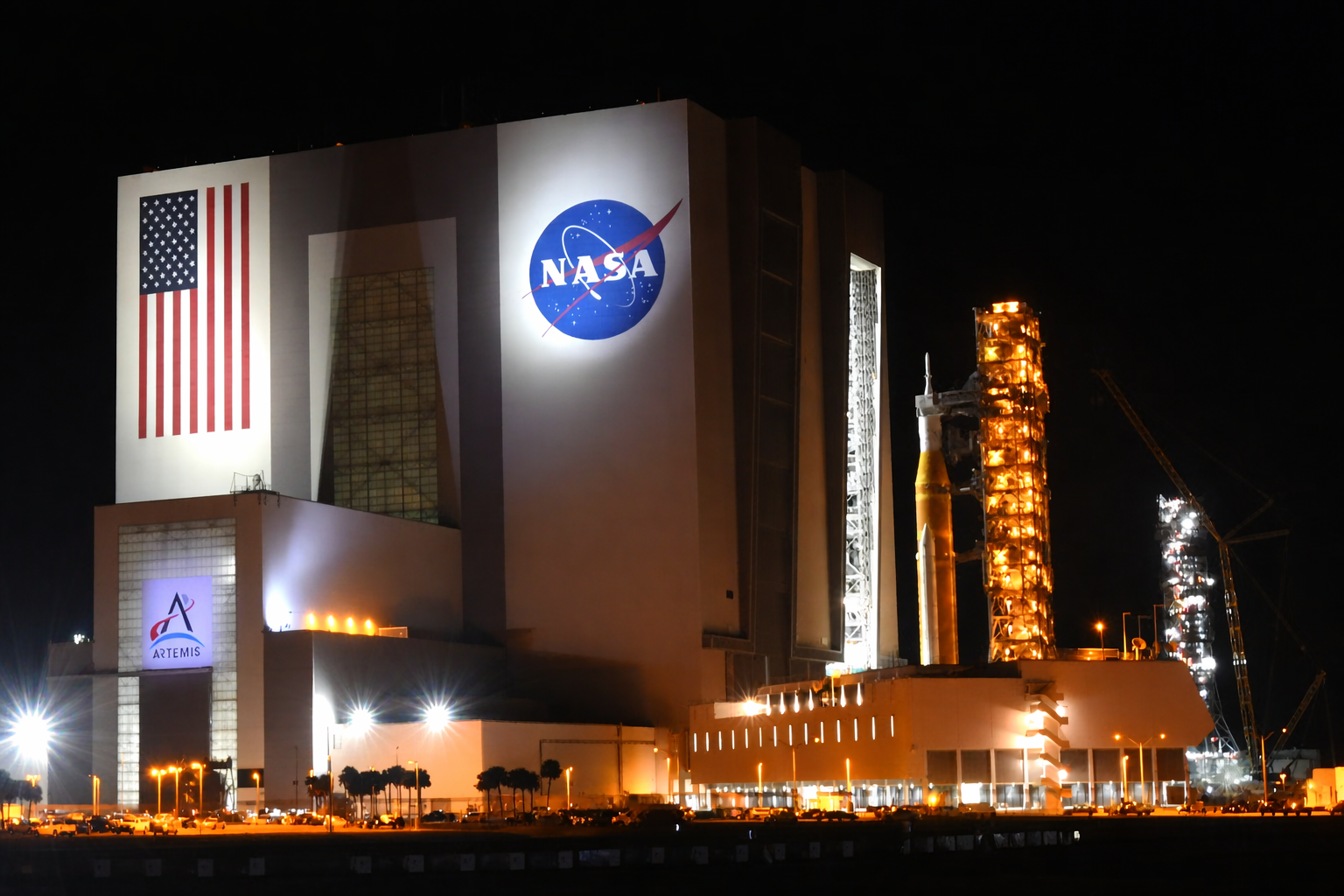
The decision follows multiple setbacks with Artemis II, the mission designed to send four astronauts on a 10-day journey around the Moon. Originally scheduled for March, its launch has been postponed to April at the earliest due to technical issues, including helium flow blockages and hydrogen leaks in the Space Launch System (SLS) rocket.
An independent aerospace safety advisory panel recently warned that NASA’s previous timeline was too ambitious and carried unnecessary risk. The panel urged a reassessment of Artemis III’s objectives, citing the demanding mission goals.
A Safer Path Back to the Moon
NASA’s new plan emphasizes incremental testing—similar to the step-by-step approach used during the Apollo missions before the historic 1969 Moon landing. The updated roadmap includes additional test flights to refine advanced space technologies before astronauts attempt to land near the Moon’s south pole.
If successful, Artemis IV will mark humanity’s first lunar landing since 1972, followed by Artemis V and potential annual missions thereafter.
This recalibrated timeline underscores NASA’s commitment to safety, sustainability, and long-term lunar exploration—ensuring the next giant leap is built on a solid foundation.