NASA Rolls Back Artemis II SLS Rocket After Helium Flow Issue
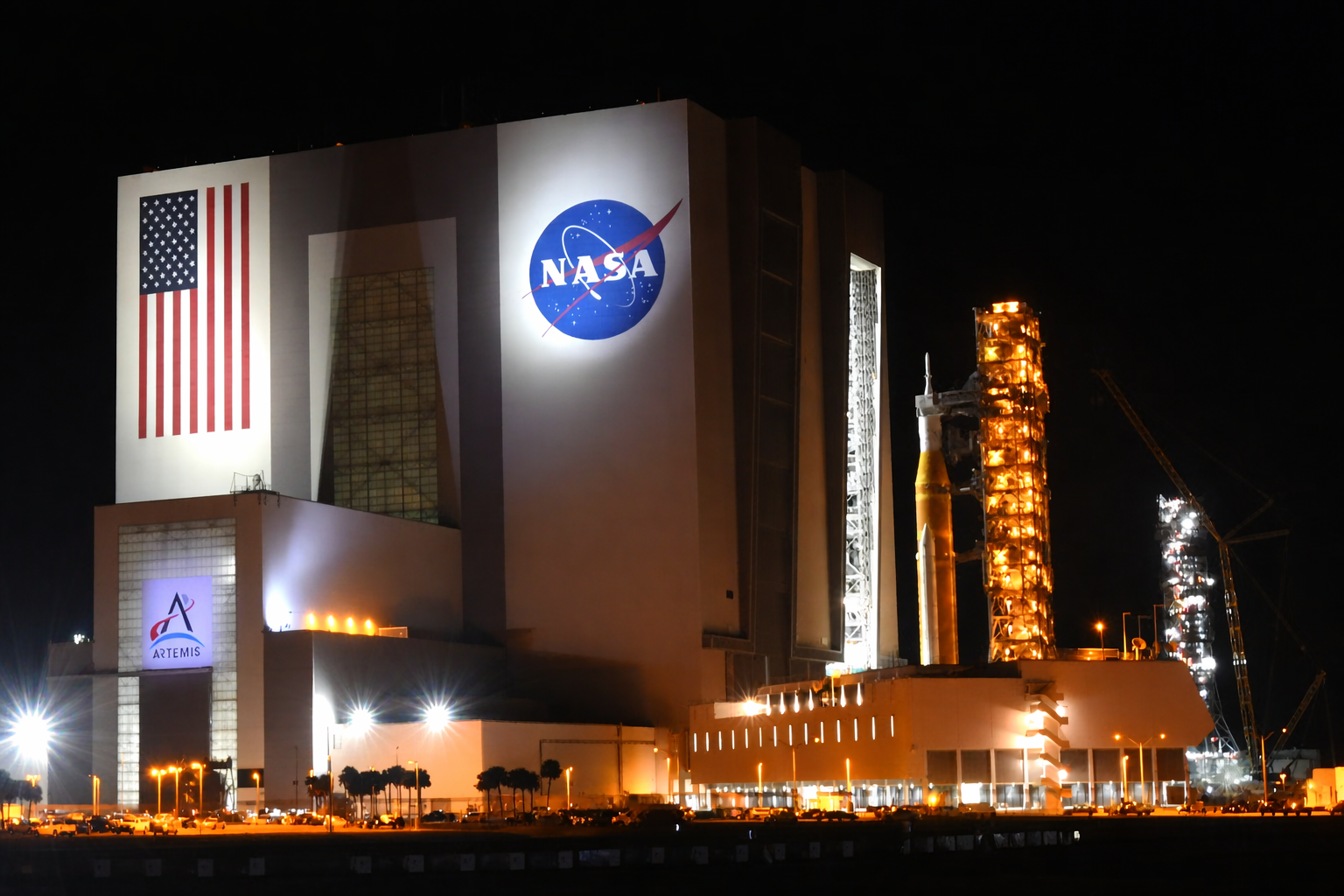
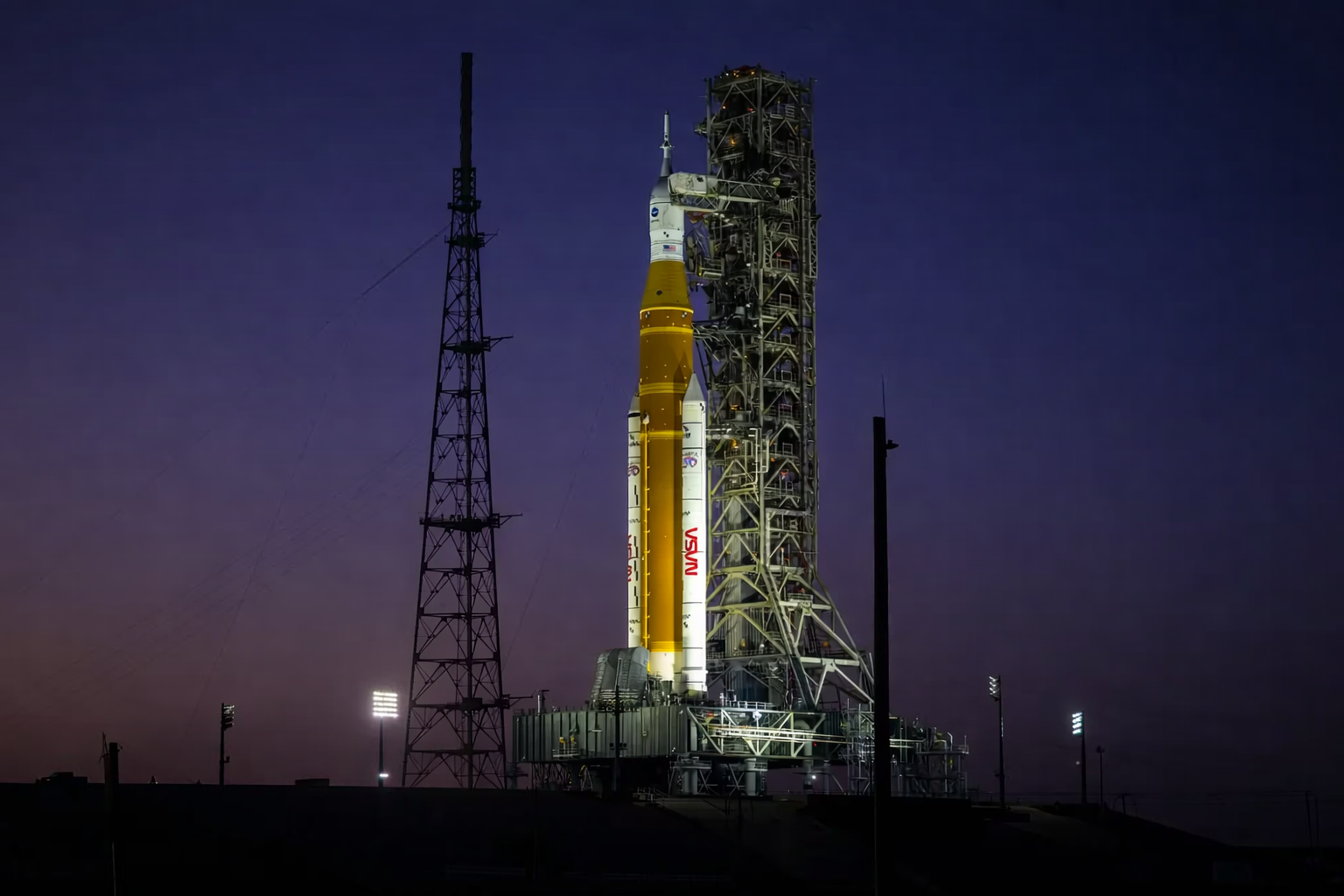
After discovering a technical problem with the helium flow inside the Space flight System (SLS) rocket, NASA formally postponed the Artemis II mission’s scheduled flight during its March launch window. According to the agency, the enormous rocket and the Orion spacecraft will be rolled back to the Kennedy Space Center’s Vehicle Assembly Building (VAB) for more examination and study.
Helium Flow Interruption Forces Artemis II Delay
The decision follows the discovery of an interruption in the flow of helium to the rocket’s interim cryogenic propulsion stage (ICPS) on Friday, 21 February. Helium plays a critical role in rocket operations, particularly in pressurizing propellant tanks and supporting the proper functioning of upper-stage systems. Any irregularity in helium flow can impact engine performance and overall mission safety.
NASA engineers detected the anomaly during routine evaluations and determined that further investigation inside the controlled environment of the VAB would be the safest and most effective course of action. Rolling the SLS rocket back from the launch pad allows technicians to conduct detailed diagnostics, make necessary repairs, and ensure that all systems meet strict safety standards before committing to a new launch date.
Commitment to Safety and Artemis Program Goals
The Artemis II mission is a major milestone in NASA’s Artemis program, marking the first crewed test flight of the Orion spacecraft around the Moon. As such, mission assurance and crew safety remain top priorities. NASA has emphasized that postponing the launch demonstrates its commitment to thorough testing and risk mitigation rather than rushing toward a launch deadline.
The intricacy of deep-space missions and the precision needed in contemporary rocketry are reflected in the delay, even though it may cause future lunar exploration efforts to be delayed. NASA will provide updates as engineers finish their evaluations, but they have not yet established a new launch date.
As the Artemis program is ready to send men back to the moon and open the door for more human flights to the moon and beyond, the setback highlights the methodical strategy that has guided the effort.