
A New Era of Lunar Exploration Begins
NASA’s ambitious $20 billion plan to establish a permanent moon outpost near the lunar south pole is a major step forward for space exploration. As part of the developing Artemis Program, this innovative project represents a significant transition from short-term missions to long-term human presence on the Moon.
With cutting-edge technology, business alliances, and a well-defined plan, NASA is getting ready to stay on the Moon rather than merely return.
Why the Lunar South Pole Matters
The lunar south pole has become the focal point of modern space exploration for several important reasons:
- Presence of water ice in permanently shadowed craters
- Potential for fuel production and life support systems
- Favorable conditions for long-term habitation
By establishing a base here, NASA aims to unlock resources that could support future missions, including journeys to Mars.
A $20 Billion Vision: What NASA Plans to Build
NASA’s plan includes a wide range of infrastructure designed to support sustained human presence on the Moon.
Key Components of the Moon Base:
- Habitats for astronauts
- Pressurized rovers for surface exploration
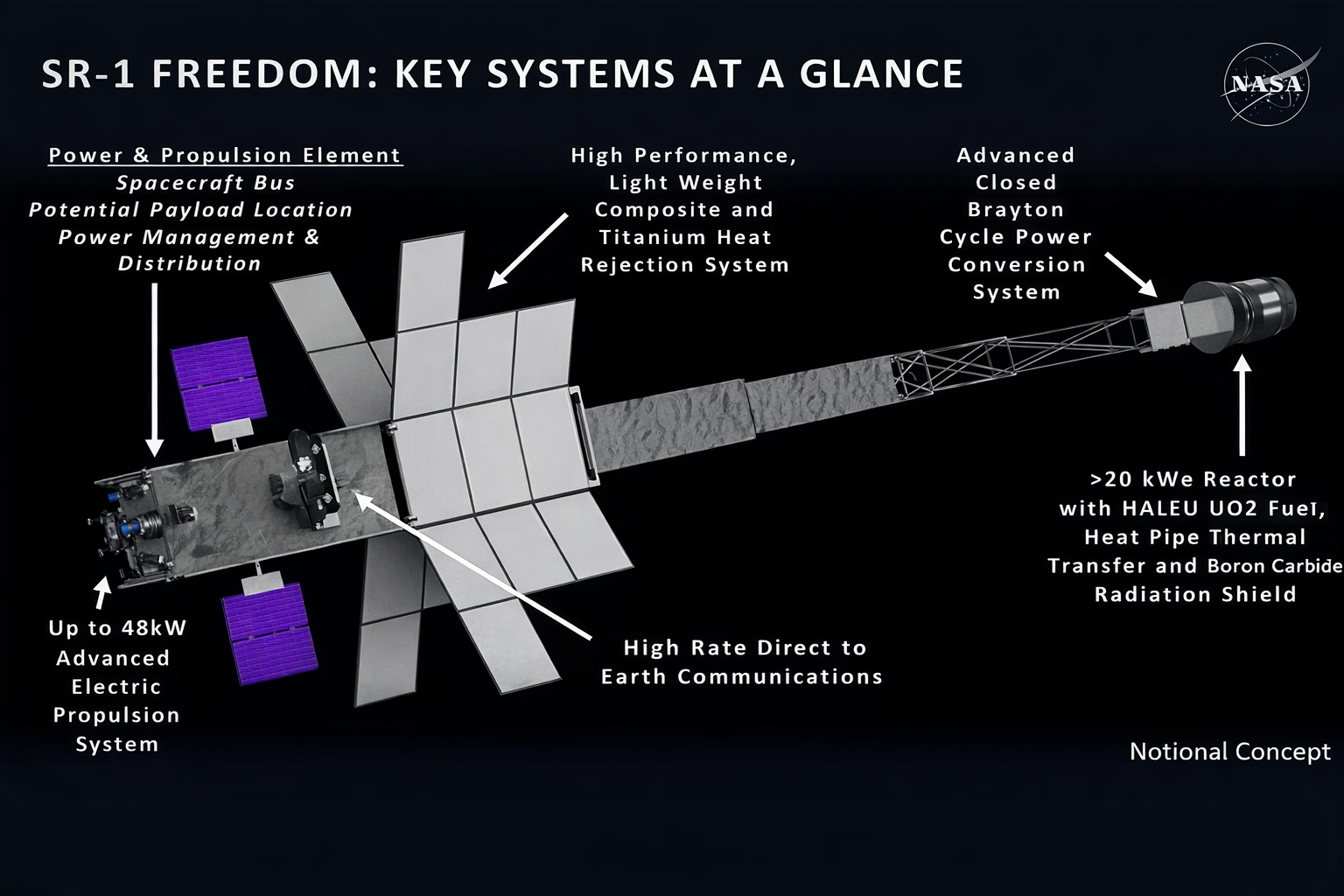
- Nuclear power systems for energy
- Advanced communication networks (similar to cellular systems)
- A lunar GPS system
- Satellites for observation and communication
This will not be a temporary outpost—it’s designed to become a semi-permanent settlement.
Three Phases of Moon Base Development
NASA has outlined a structured, step-by-step approach to building the lunar base.
Phase 1: Expanding Lunar Missions
- Increase frequency of Moon landings
- Deliver scientific instruments and technology payloads
- Test mobility, power, and communication systems
Phase 2: Building Infrastructure
- Develop habitats and operational systems
- Enable regular astronaut missions
Phase 3: Permanent Human Presence
- Establish long-term infrastructure
- Deploy nuclear and solar energy systems
- Introduce both crewed and autonomous rovers
This phased strategy ensures steady progress while minimizing risks.
Artemis Program: From Exploration to Settlement
The Artemis program is entering a new phase with a stronger focus on sustainability.
Upcoming missions like Artemis II will test deep-space capabilities, while later missions—Artemis IV and V—could include multiple lunar landings per year.
NASA’s goal:
- Two Moon missions annually
- Continuous astronaut presence
- Rapid technological advancement
Unlike the historic Apollo Program, which focused on short visits, Artemis aims for long-term occupation.
Shift Toward Commercial Space Partnerships
NASA is moving away from relying solely on government-operated systems like the Space Launch System (SLS).
Instead, it plans to collaborate with private companies such as:
- SpaceX
- Blue Origin
Benefits of This Approach:
- Reduced costs
- Faster innovation
- Increased launch frequency
This shift reflects a broader trend in the commercialization of space exploration.
Gateway Program Paused: Focus Shifts to Surface Operations
NASA has decided to pause the Gateway space station, originally planned for lunar orbit.
Instead:
- Existing Gateway components will be repurposed
- Resources will be redirected toward surface infrastructure
This decision highlights NASA’s priority: building a functional Moon base over orbital support systems.
Nuclear Power: The Key to Survival on the Moon
One of the most critical elements of the plan is the development of nuclear power systems.
Why Nuclear Energy?
- Provides consistent power during long lunar nights
- Supports life support systems and research
- Enables construction and operations
NASA is also testing this technology through the “Skyfall” mission, which will send a nuclear-powered system to Mars in 2028.
Preparing for Mars: The Bigger Goal
While the Moon is the immediate focus, NASA’s long-term objective remains clear: human missions to Mars.
The Moon will act as:
- A testing ground for new technologies
- A training environment for astronauts
- A launchpad for deep-space missions
This strategy reduces risks and builds confidence for future interplanetary travel.
Challenges and Budget Considerations
NASA plans to fund this massive initiative within its existing budget, focusing on:
- Reallocating resources
- Reducing inefficiencies
- Leveraging commercial partnerships
However, the agency has already spent over $100 billion on lunar programs over the years, according to The Planetary Society.
The challenge now is to deliver results efficiently and on time.
Global Space Race: Why This Mission Matters
NASA’s renewed urgency is partly driven by global competition, particularly from countries like China.
The stakes are high:
- Leadership in space exploration
- Technological dominance
- Strategic and scientific advantages
NASA leadership has made it clear: falling behind is not an option.
The Future of Space Exploration
NASA’s moon base plan represents a turning point in human history. For the first time, we are moving beyond exploration toward permanent presence beyond Earth.
What This Means:
- Continuous human activity on the Moon
- Breakthroughs in science and technology
- A stepping stone to Mars and beyond
The journey won’t be easy, but the vision is clear: humans living and working on another world.
Final Thoughts
NASA’s $20 billion lunar base initiative is more than just a space project—it’s a bold statement about the future of humanity. By combining innovation, collaboration, and strategic planning, the agency is laying the groundwork for a new era of exploration.
From the Moon to Mars, this mission could redefine what’s possible—and bring us closer than ever to becoming a multi-planetary species.