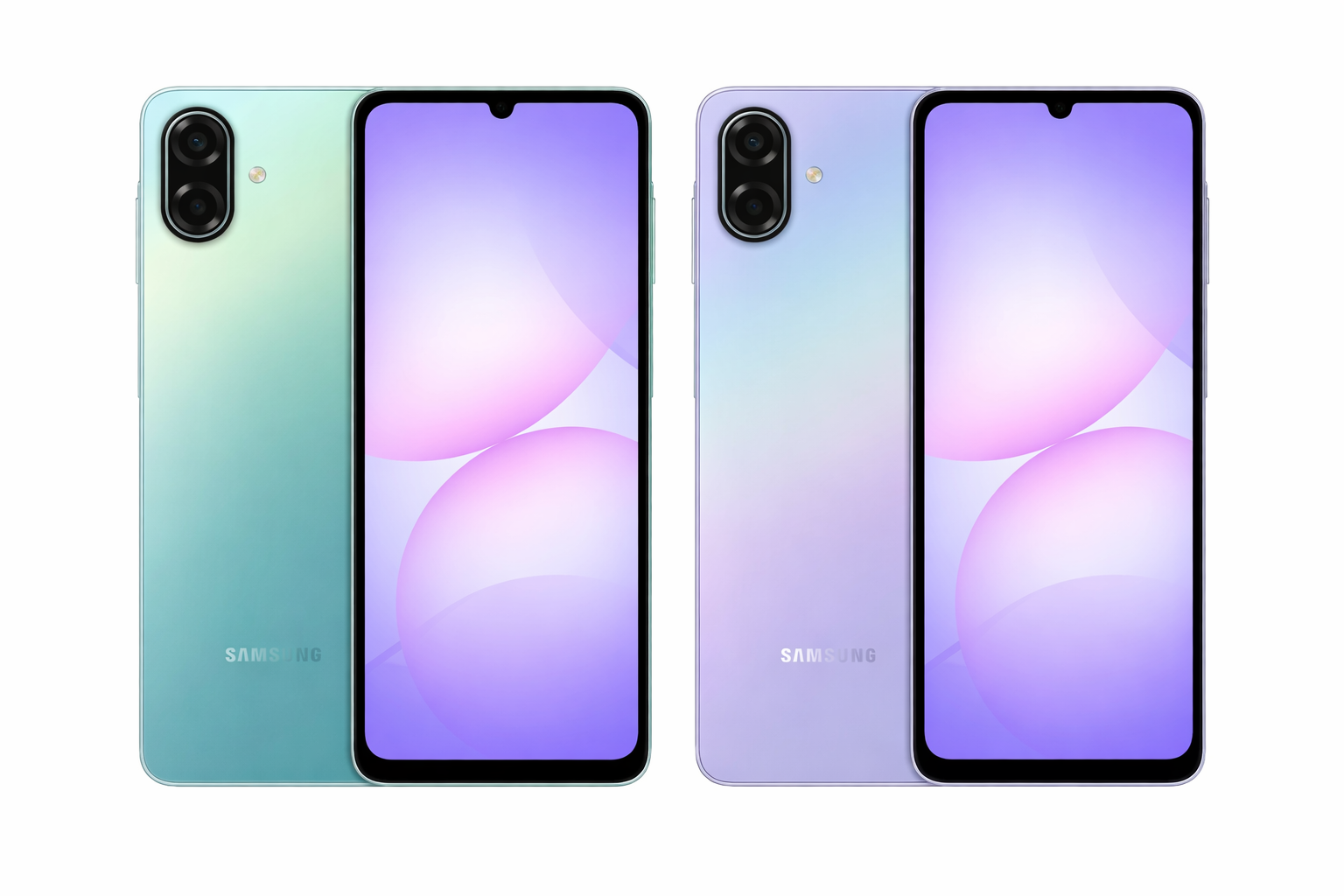
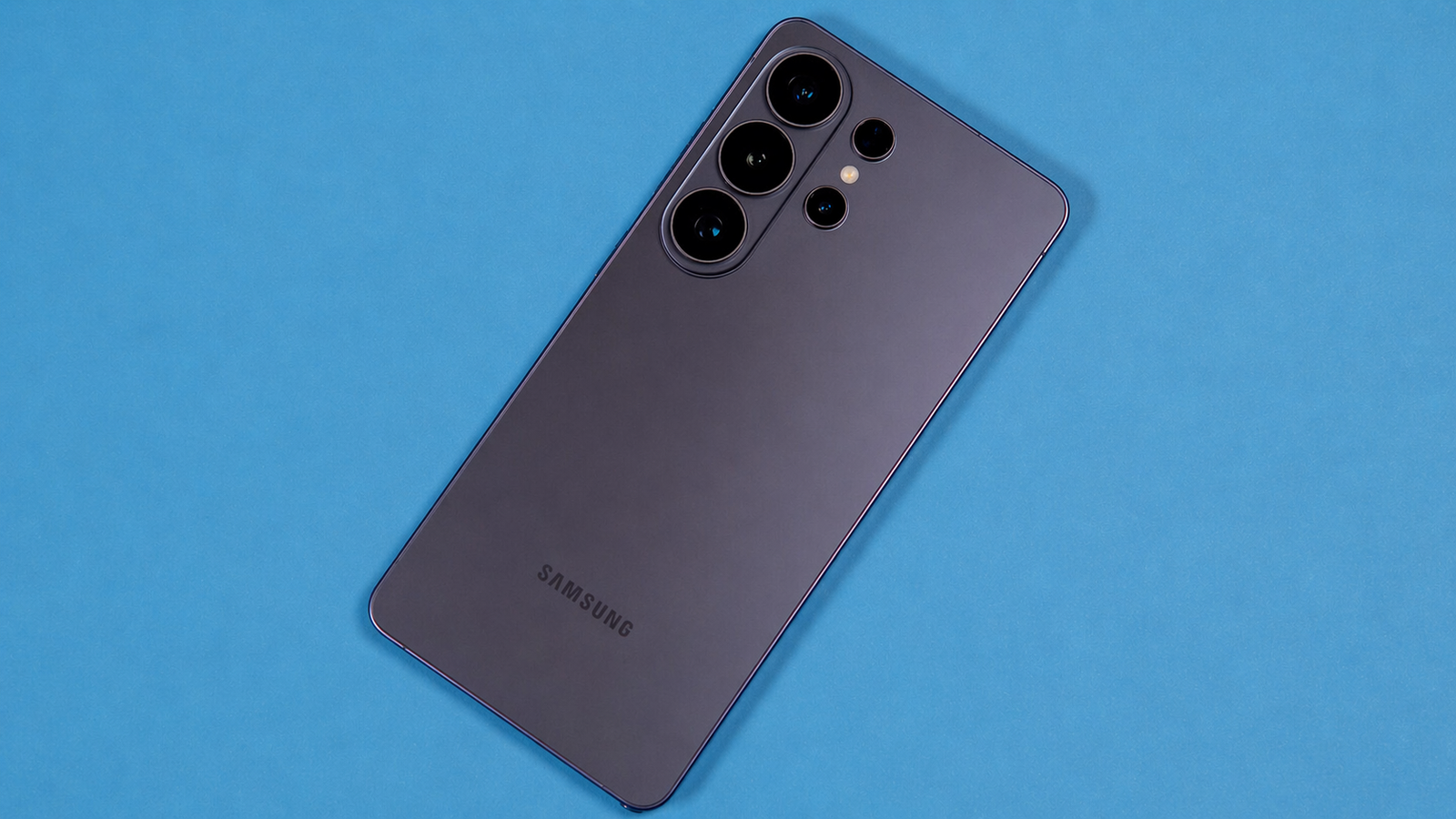
Rising AI Costs Could End Decades of Profit
Samsung May Face First-Ever Loss in Smartphone Business
Samsung has controlled the worldwide smartphone market for many years, continuously making money even in the face of global crises and economic downturns. However, 2026 might be a historic tipping moment.
According to recent reports, Samsung’s mobile division might be on the verge of suffering its first-ever defeat. Why? Artificial intelligence (AI) technology is becoming more and more popular, which is raising the price of necessary parts like memory and storage.
Why Smartphones Are No Longer Easy to Sell
There was a time when smartphones practically sold themselves. Each new model brought noticeable improvements, making upgrades irresistible. Today, the market has matured.
Consumers now hold onto devices longer, and innovation feels more incremental. Many smaller brands have already exited the market, leaving giants like Samsung to compete in a slower, more saturated industry.
But now, a new challenge has emerged—AI.
AI Boom Is Driving Memory Prices Sky-High
Artificial intelligence is reshaping the tech world, but it’s also creating supply issues. The demand for high-performance memory like DRAM and NAND has surged dramatically.
Modern AI systems require enormous amounts of memory. In fact, next-generation AI servers can consume as much RAM as thousands of smartphones combined. This massive demand is pushing prices up across the board.
For smartphone manufacturers, this means one thing: higher production costs.
Memory Costs Are Changing Smartphone Economics
Traditionally, the most expensive parts of a smartphone were the processor and the display. But the AI era has flipped that equation.
By mid-2026:
- RAM could account for over 30% of a budget phone’s cost
- Even premium phones may spend over 20% on memory alone
- Storage and memory prices have nearly doubled in some cases
This shift is putting serious pressure on profit margins, especially for companies trying to keep prices competitive.
Samsung’s Unique Situation: Losing on Phones, Winning on Chips
Interestingly, Samsung’s struggles in smartphones are being offset by massive gains elsewhere.
While its mobile division faces uncertainty, its semiconductor business is booming. The company is making record profits from selling memory chips—ironically benefiting from the same shortages hurting its phone business.
This creates a strange balance: one division struggles while another thrives.
Smartphone Prices Are Already Rising
Consumers are beginning to feel the impact.
Recent trends show:
- Budget smartphones are becoming significantly more expensive
- Mid-range devices are seeing steady price increases
- Premium and foldable phones are reaching record-high prices
Samsung has already raised prices on several devices, including mid-range models and high-end foldables. Even tablets are not immune to these increases.
Are Budget Smartphones Disappearing?
One of the biggest concerns is the future of affordable devices.
As component costs rise, manufacturers may find it increasingly difficult to offer true “budget” smartphones. Entry-level devices could become more expensive or less capable, changing the entire market landscape.
The Future: More Expensive Phones Ahead
Looking forward, things may get even more challenging.
Tech companies worldwide are investing heavily in AI infrastructure, and demand for memory is expected to keep rising. Even with increased production, supply may not catch up anytime soon.
For Samsung, this could mean:
- Continued pressure on smartphone profits
- More expensive device launches
- Greater focus on premium and foldable models
Final Thoughts
Samsung’s potential smartphone losses highlight a major shift in the tech industry. The rise of AI is not just transforming software—it’s reshaping hardware economics as well.
While Samsung remains a powerhouse, the road ahead looks more complex than ever. For consumers, one thing is clear: the era of cheap smartphones may soon be over.
As AI continues to evolve, the real question is not whether phones will get smarter—but how much more we’ll have to pay for them.