How Smart Gadgets Are Quietly Getting Better
Introduction: The Real Problem with AI Today
Artificial intelligence is everywhere—but not always in a good way. From constant pop-ups to unnecessary “AI-powered” features, many users are starting to feel overwhelmed rather than impressed. Instead of making life easier, some AI tools seem to demand more attention than they deserve.
The truth is simple: AI becomes truly valuable when it stops trying to show off and starts quietly improving the devices we already use every day.
When AI Tries Too Hard, It Backfires
Many people can relate to the growing frustration with AI-heavy apps. Imagine opening your photo gallery just to view memories, only to be bombarded with suggestions to “enhance” or “AI-edit” your images. What should be a simple experience turns into a mini tech demonstration.
This reflects a broader issue—AI has been marketed as a standalone product, rather than a helpful background feature. And that approach is starting to wear thin.
The Shift Toward Invisible AI
The most promising direction for AI isn’t flashy gadgets—it’s subtle integration. The best AI doesn’t demand attention; it blends seamlessly into everyday tools.
Take modern consumer tech as an example:
- Samsung Galaxy Buds4 use built-in AI features like live translation without requiring a separate device or app.
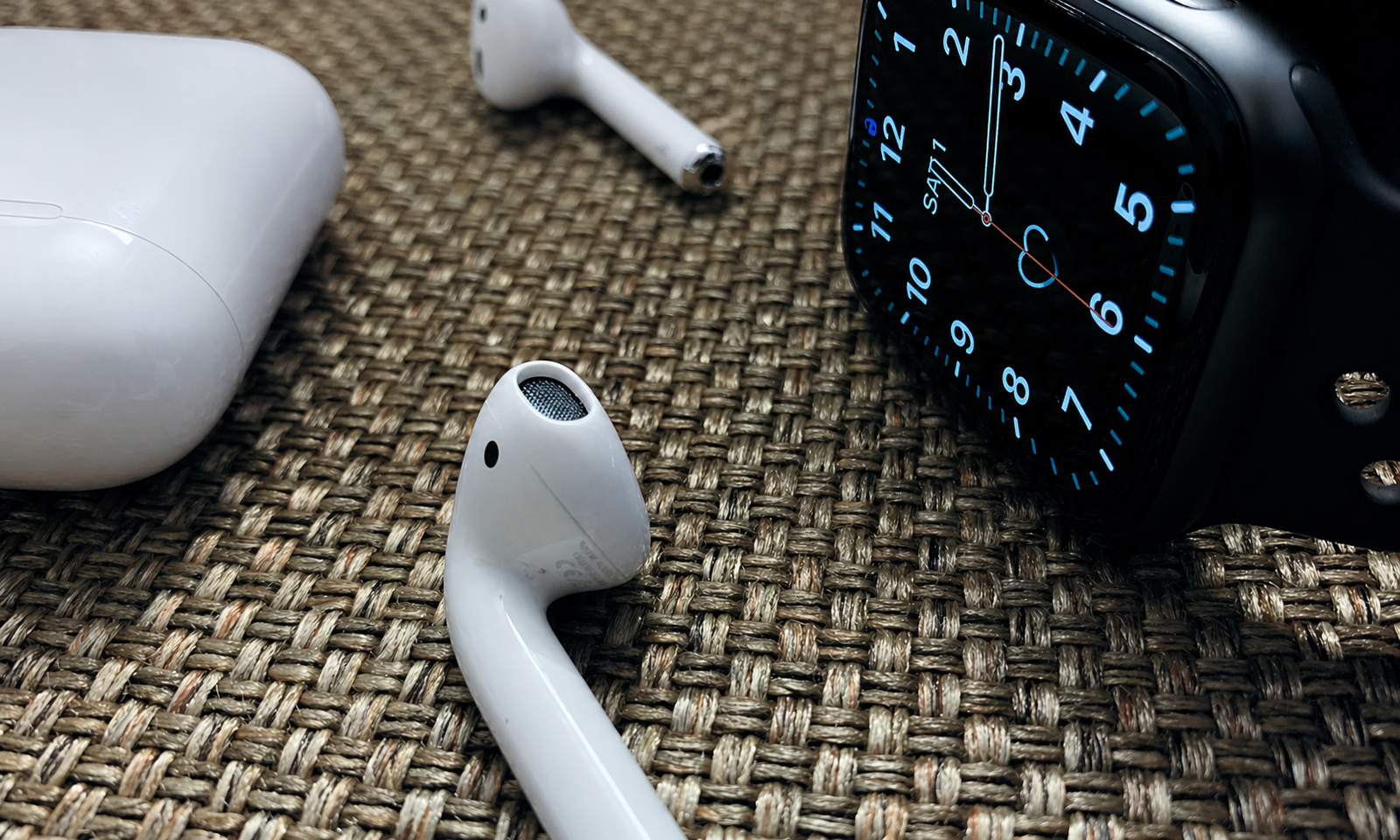
- Apple AirPods are evolving to include real-time translation within the existing ecosystem.
- Samsung Vision AI TVs enhance picture and sound automatically, without turning your living room into a control center.
- Google Pixel 10 integrates AI directly into the phone, making it part of the experience—not a separate tool.
These products share a common idea: AI works best when it stays out of the way.
Not Every “AI Feature” Is Real Innovation
There’s a growing trend of adding “AI” labels to products just for marketing appeal. But not all features are genuinely useful.
Here’s how to tell the difference:
- Helpful AI: Makes tasks faster, easier, or more accurate without extra effort
- Unnecessary AI: Adds more settings, prompts, or subscriptions to manage
If a feature simplifies your life, it’s doing its job. If it creates more steps, it’s just another digital burden.
Why Simple, Boring AI Is Actually Better
The future of AI doesn’t lie in flashy demos—it lies in doing small things well. Think about features we now take for granted:
- Autofocus in cameras
- Noise cancellation in headphones
- Image stabilization in videos
These were once groundbreaking technologies. Today, they’re invisible—and that’s exactly why they work.
AI is heading in the same direction. The goal isn’t to impress users—it’s to quietly improve their experience.
The Future: AI That Works Without Being Noticed
As AI continues to evolve, its success will depend on how well it integrates into daily life without adding complexity. People don’t want more gadgets, more apps, or more things to manage.
They want:
- Devices that just work
- Fewer interruptions
- Smarter automation without effort
The best AI won’t feel like AI at all—it will simply feel like better technology.
Conclusion: Less Noise, More Value
The next phase of artificial intelligence isn’t about bigger, louder, or more obvious features. It’s about subtle improvements that remove friction from everyday tasks.
In the end, users don’t need another product competing for their attention. They need the devices they already own to become smarter, simpler, and more helpful—without making a fuss about it.