
Ice Age Discovery in Texas: Rare Fossils Found in Underwater Cave Rewrite Ancient History
Introduction: A Hidden World Beneath Texas
Scientists’ understanding of the prehistoric history of Central Texas is changing as a result of a ground-breaking finding. Inside an underwater cave, a paleontologist from the University of Texas at Austin discovered rare Ice Age fossils that revealed species that had never been discovered in this region of Texas.
This remarkable discovery opens a new chapter in paleontology, climate history, and Ice Age studies in addition to deepening our understanding of ancient ecosystems.
The Discovery: Fossils Beneath the Water
The discovery was made by paleontologist John Moretti, who explored a unique underground water cave known as Bender’s Cave.
Unlike traditional fossil digs, this site required:
- Snorkeling through shallow underground streams
- Crawling along the cave floor
- Collecting fossils directly from the waterbed
What Makes This Discovery Unique?
- First paleontological study of a Texas water cave
- Fossils found lying openly on the cave floor
- No excavation from rock required
According to Moretti, the cave was filled with fossils “everywhere,” making it one of the richest sites ever explored in the region.
Rare Ice Age Animals Found
Among the most exciting discoveries were fossils from species never before recorded in Central Texas:
Key Finds Include:
- A giant tortoise (warm-climate species)
- A pampathere (armored mammal related to armadillos, about the size of a lion)
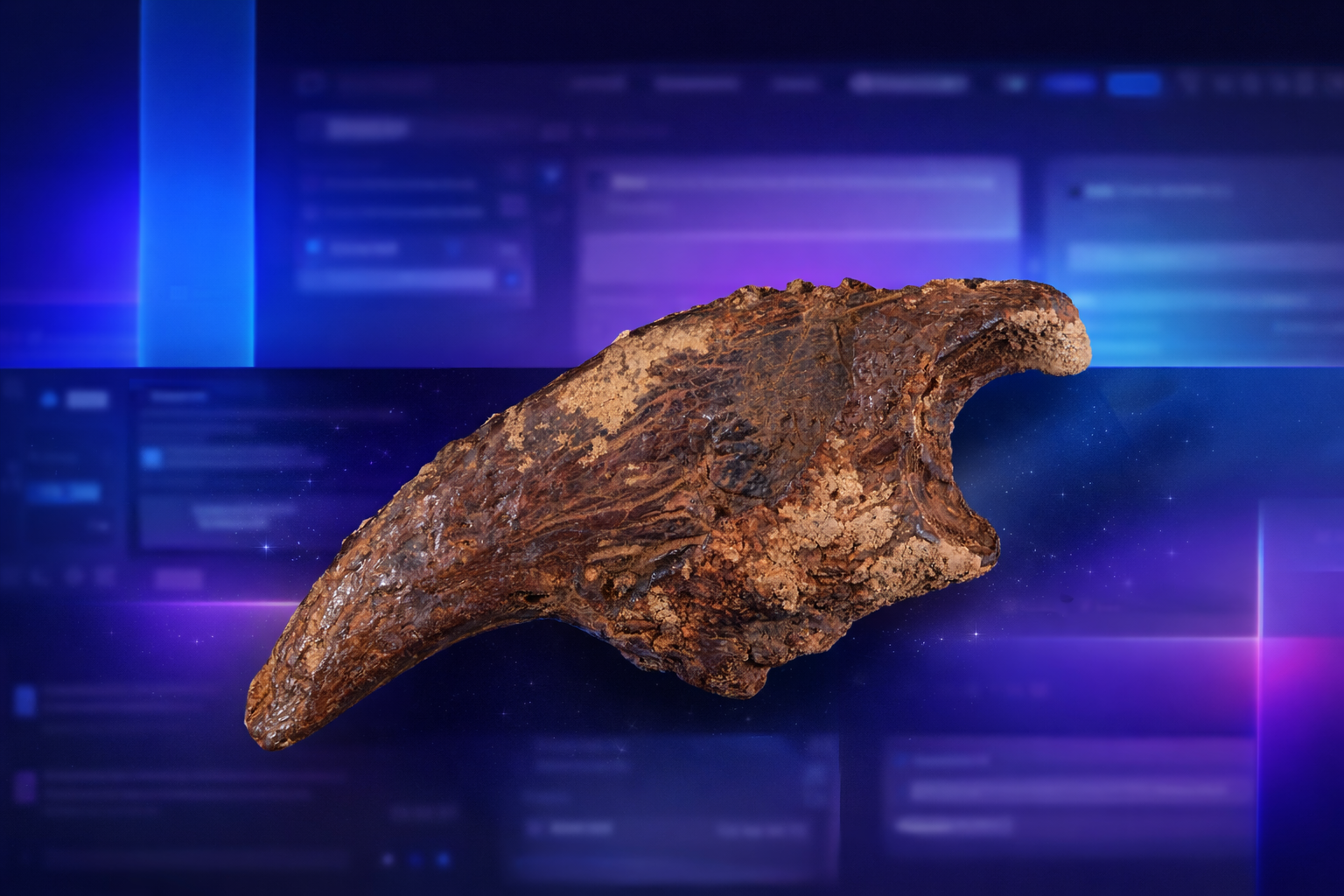
- A claw from a giant ground sloth
- Fossils of saber-tooth cats
- Bones from camels and mastodons
These findings provide a rare glimpse into a diverse and unexpected Ice Age ecosystem.
A Glimpse Into a Warmer Ice Age Period
The fossils may date back to the last interglacial period, around 100,000 years ago—a warmer phase within the Ice Age.
Why This Matters:
- Central Texas was previously thought to be mostly grassland during the Ice Age
- These animals suggest a warmer, forested environment
- It reveals a completely different ecosystem than scientists expected
Warm-climate species like giant tortoises and pampatheres could only survive in higher temperatures, supporting the idea of an interglacial origin.
How Did the Fossils End Up in the Cave?
The fossils likely entered the cave through:
- Sinkholes
- Flooding events
- Erosion over thousands of years
Once inside, they remained preserved in the underground stream.
Interesting Observation:
All fossils share:
- Smooth, rounded surfaces
- Similar reddish mineral coating
This suggests they were deposited around the same time, possibly during a major flooding event.
Challenges in Dating the Fossils
Despite the richness of the site, determining the exact age of the fossils is difficult.
Why?
- Lack of surrounding geological material
- Limited ability to use carbon dating techniques
- Fossils were not embedded in rock layers
Instead, scientists rely on:
- Environmental clues
- Species comparison
- Statistical analysis with other fossil sites
Scientific Breakthrough: Changing What We Know
The findings challenge decades of research in Central Texas.
Key Impacts:
- Reveals previously unknown species distribution
- Suggests climate conditions were more diverse
- Links Central Texas to fossil sites along the Gulf Coast and Dallas region
This discovery shows that even well-studied regions can still hold hidden secrets.
Expert Insights and Reactions
Scientists not involved in the study are equally excited.
David Ledesma from St. Edward’s University noted that:
- Some species found were unexpected in this region
- The discovery highlights how much remains unknown
This reinforces the idea that paleontology is still full of surprises.
The Importance of Collaboration
An important takeaway from this research is the role of collaboration.
Why It Matters:
- Many caves are on private property
- Access depends on landowner cooperation
- Scientific discoveries require community involvement
Moretti emphasized that advancing knowledge about Earth’s history depends on partnerships between scientists and the public.
Future of Paleontology in Texas
This discovery could lead to:
- More exploration of water caves
- New fossil discoveries across Texas
- Better understanding of Ice Age climate shifts
It also highlights the potential of non-traditional fossil sites, such as underwater caves.
Conclusion: A New Window Into the Past
The discovery at Bender’s Cave offers a rare and fascinating glimpse into a forgotten chapter of Earth’s history. By uncovering fossils of unexpected species in an unusual environment, scientists are rewriting what we know about Central Texas during the Ice Age.
This breakthrough proves that even in well-explored regions, the past still holds secrets waiting to be discovered.