Netherlands Gives Green Light to FSD Supervised
Introduction
Dutch regulators have given Tesla permission to launch its Full Self-Driving (FSD) Supervised software, marking a significant milestone for autonomous driving in Europe. This is the first time in Europe that the company’s cutting-edge driver-assistance technology has been approved for use on both city streets and highways.
The ruling has the potential to greatly influence the future of self-driving technology and open the door for wider use within the European Union.
What Is Tesla’s FSD Supervised?
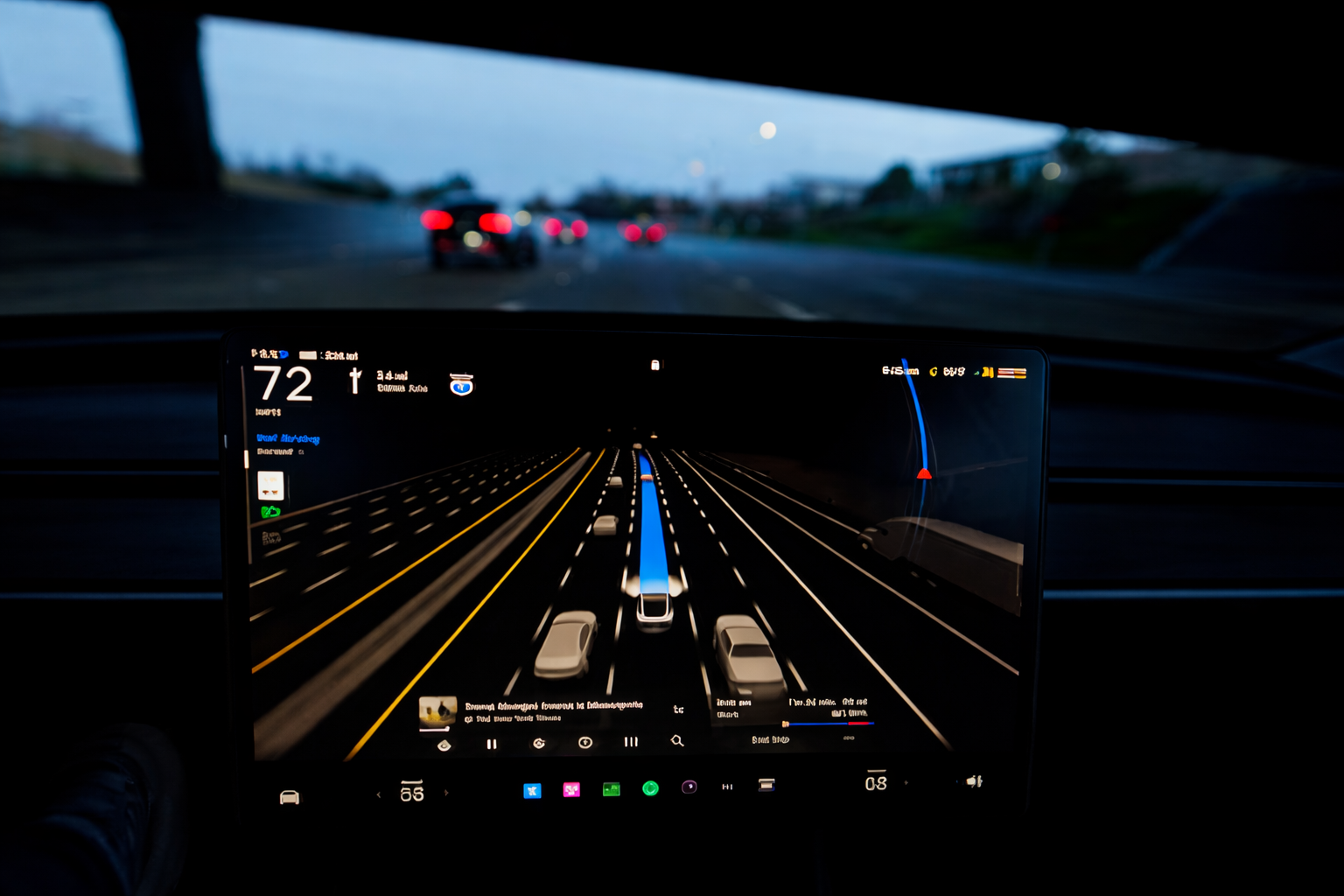
Tesla’s Full Self-Driving (FSD) Supervised is an advanced driver-assistance system designed to handle key driving tasks such as:
- Steering
- Braking
- Accelerating
Despite its name, the system still requires active human supervision, meaning drivers must remain alert and ready to take control at any time.
Approval by Dutch Authorities
The approval was granted by RDW, the Netherlands’ vehicle authority, after more than 18 months of testing and evaluation.
According to the agency, when used correctly, the system can contribute positively to road safety. This endorsement is a significant step forward for Tesla as it aims to expand its autonomous driving technology beyond the United States.
Why This Approval Matters
This development is crucial for Tesla’s long-term strategy. CEO Elon Musk has repeatedly emphasized that self-driving technology and future robotaxi services are central to the company’s growth.
Much of Tesla’s market valuation depends on the success of AI-driven mobility solutions. With this approval:
- Tesla can expand its presence in Europe
- Consumers gain access to advanced driving features
- The company moves closer to robotaxi deployment
Impact on Tesla Sales in Europe
Tesla has faced challenges in the European market, including slowing sales and increased competition. However, the introduction of FSD Supervised could help revive consumer interest.
Industry analysts believe that:
- New technology features can attract buyers
- Early adopters will be eager to تجربة (try) autonomous capabilities
- Sales could improve in the coming months
The Netherlands alone has around 100,000 Tesla vehicles eligible for the software, including Model 3 and Model Y.
EU Expansion: The Next Step
Following the Dutch approval, RDW will submit the system for EU-wide authorization. If approved by the European Commission and member states, Tesla’s FSD could soon be available across Europe.
However, the process involves strict safety checks and requires majority approval from EU countries.
EU vs US: Key Differences in FSD
Interestingly, the European version of FSD Supervised will differ from its U.S. counterpart.
European regulators enforce:
- Stricter safety standards
- More controlled deployment conditions
- Enhanced compliance requirements
This means the FSD experience in Europe may be more regulated and potentially safer compared to the U.S. version.
Competition in the Self-Driving Space
Tesla is not alone in the race for autonomous driving. Other automakers like:
- Mercedes-Benz
- Ford Motor Company
- BMW
have already introduced hands-free driving features on select highways, particularly in Germany. However, Tesla’s system stands out for its ability to operate in a wider range of real-world scenarios.
Challenges and Concerns
While the approval is a major win, Tesla’s FSD software continues to face scrutiny:
- Ongoing investigations in the U.S. after reported crashes
- Consumer lawsuits related to safety concerns
- Debate over reliance on camera-based AI systems
These challenges highlight the importance of careful rollout and regulatory oversight.
Conclusion
Tesla’s FSD Supervised approval in the Netherlands is a landmark moment for autonomous driving in Europe. It not only strengthens Tesla’s position in the EV market but also signals a broader shift toward AI-powered mobility.
As the company moves toward EU-wide approval, the coming months will be critical in determining whether self-driving technology can truly become a mainstream reality in Europe.