How Moon Missions Changed Our Understanding of Earth
Introduction
Earth Day serves as a yearly reminder of our collective duty to preserve the environment. The topic “Our Power, Our Planet” for 2026 emphasizes how modest, routine acts can result in significant environmental change.
However, many people are unaware of how closely space exploration, particularly lunar missions, is linked to our contemporary environmental consciousness. Lunar exploration has changed our understanding of Earth and our role in the cosmos, from the historic Apollo mission to the more recent Artemis II.
The Surprising Link Between Earth Day and the Moon
The first Earth Day in 1970 came shortly after humanity’s early Moon missions. This timing was not accidental. As astronauts traveled beyond Earth, they captured images that forever changed how we view our planet.
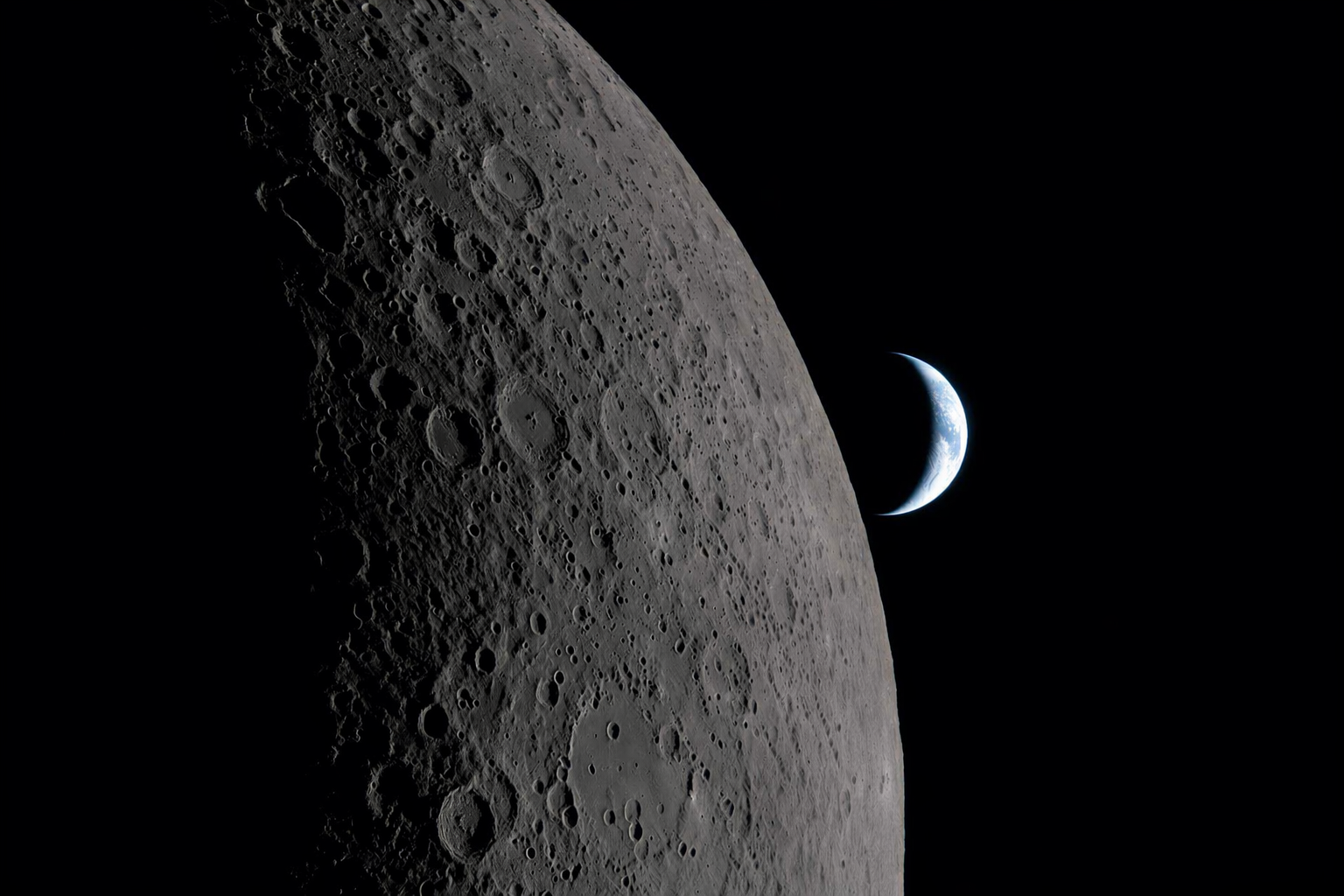
One of the most powerful moments came from Apollo 8 with the famous “Earthrise” photograph—showing Earth rising above the Moon’s horizon. Later, Apollo 17 gave us the iconic “Blue Marble” image, revealing Earth as a fragile, beautiful sphere floating in space.
These images became symbols of environmental awareness and inspired millions to care more deeply about the planet.
Seeing Earth as One Shared Home
For the first time in history, humans saw Earth as a single, unified world—without borders or divisions. This new perspective sparked a powerful realization:
Earth is not limitless.
It is delicate.
It is our only home.
This shift in thinking helped fuel the global environmental movement and continues to influence climate awareness today.
How the Moon Revealed Earth’s Origins
Lunar exploration has also helped scientists understand how Earth was formed.
Research suggests that about 4.5 billion years ago, a massive collision between early Earth and another planet created the Moon. The debris from that impact eventually formed our natural satellite, setting the stage for Earth’s evolution into a life-supporting planet.
Asteroids, Life, and Early Earth
By studying lunar rocks, scientists discovered evidence of intense asteroid bombardment in the early solar system. Around 3.9 to 4 billion years ago, Earth and the Moon were frequently hit by asteroids and comets.
Interestingly, this period overlaps with the earliest signs of life on Earth. This has led scientists to explore whether these impacts may have influenced—or even triggered—the beginnings of life.
The Origins of Earth’s Water
Another fascinating discovery is that Earth’s water likely arrived before this heavy bombardment period. This means oceans formed very early in Earth’s history, creating the conditions necessary for life to develop.
The Dinosaur Extinction Connection
Lunar research also inspired one of the most important scientific theories: the impact-mass extinction hypothesis.
Scientists now believe that a massive asteroid impact—known as the Chicxulub impact—led to the extinction of dinosaurs. This catastrophic event changed Earth’s climate and allowed mammals to rise, eventually leading to humans.
Why Earth Is Perfect for Life
The Moon has also taught us why Earth is uniquely habitable:
- Smaller planets cannot hold thick atmospheres
- Earth’s size helps maintain a stable climate
- The Moon stabilizes Earth’s axis, preventing extreme climate shifts
Without the Moon, life on Earth might not have survived.
The Moon’s Role in Life’s Evolution
Billions of years ago, the Moon was much closer to Earth—appearing larger in the sky and creating stronger tides. These powerful tides may have played a key role in early biological processes, possibly helping life begin in coastal regions.
Even today, the Moon continues to drift away from Earth at about 3.8 centimeters per year, a fact confirmed by instruments left on the lunar surface during Apollo missions.
Artemis II: A Modern Perspective
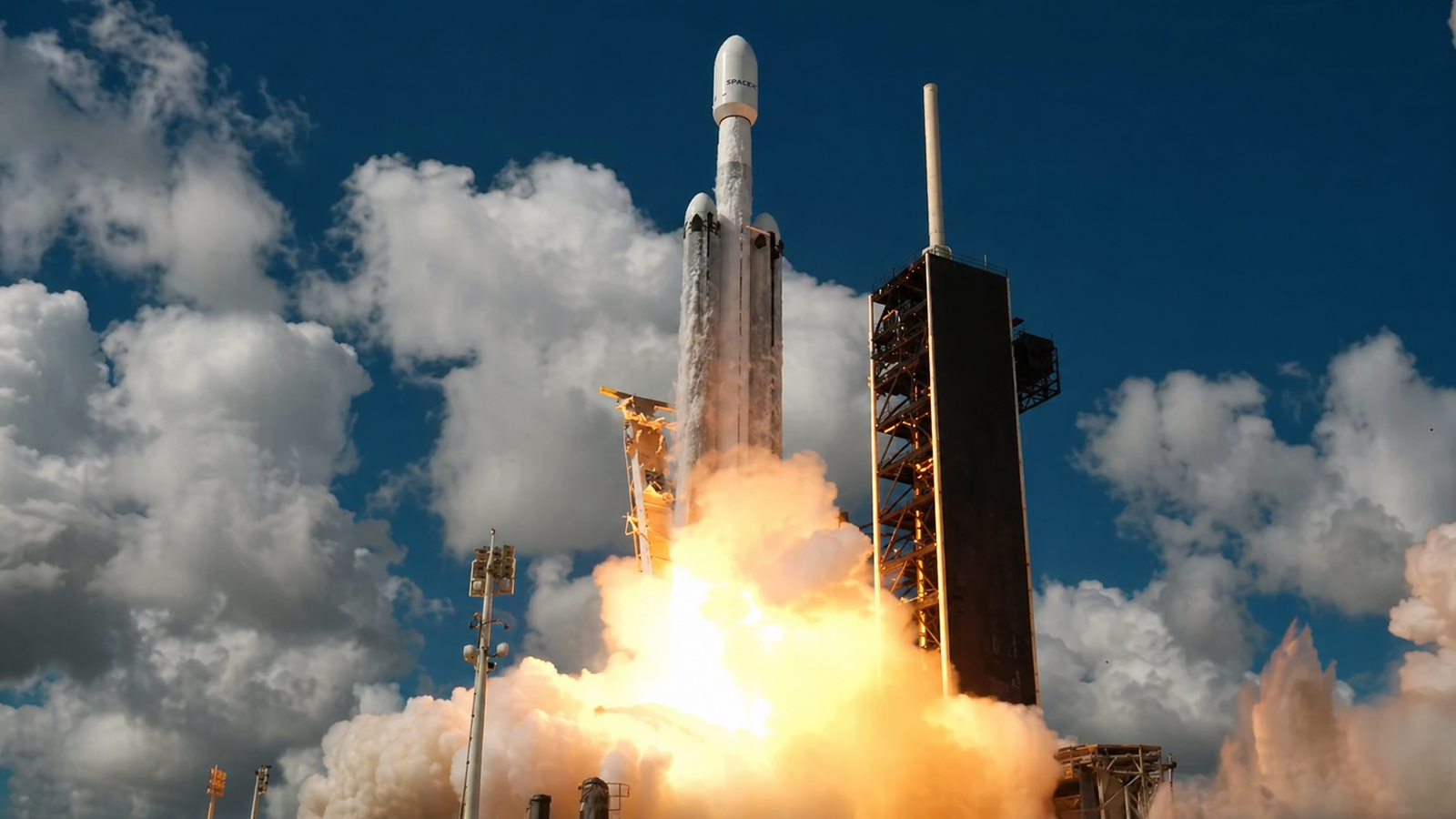
The journey continues with modern missions like Artemis II. Astronauts on this mission have once again captured breathtaking images of Earth from space.
Pilot Victor Glover described Earth as a “shared oasis”—a powerful reminder that humanity exists together on one fragile planet.
Earth Day 2026: A Call to Action
The message of Earth Day 2026 is clear: protecting our planet starts with us. While space exploration continues to expand our horizons, it also reminds us of something simple yet profound:
There is no place like Earth.
Conclusion
From the early days of the Apollo program to the latest Artemis missions, exploring the Moon has transformed how we understand Earth. It has revealed our planet’s origins, its fragility, and its uniqueness in the vast universe.
As we look to the stars, we are also reminded to look back at our own world—with care, responsibility, and respect.
Because in the end, Earth is not just a planet—it’s our home. 🌍