Powerful Rocket Returns After 18 Months with ViaSat-3 F3 Satellite
Introduction
After a long انتظار of 18 months, SpaceX has once again demonstrated its engineering power with the successful launch of its heavy-lift rocket. The mighty Falcon Heavy roared back to life, carrying a next-generation communications satellite into orbit and marking a significant milestone in global connectivity.
Falcon Heavy Launch Details
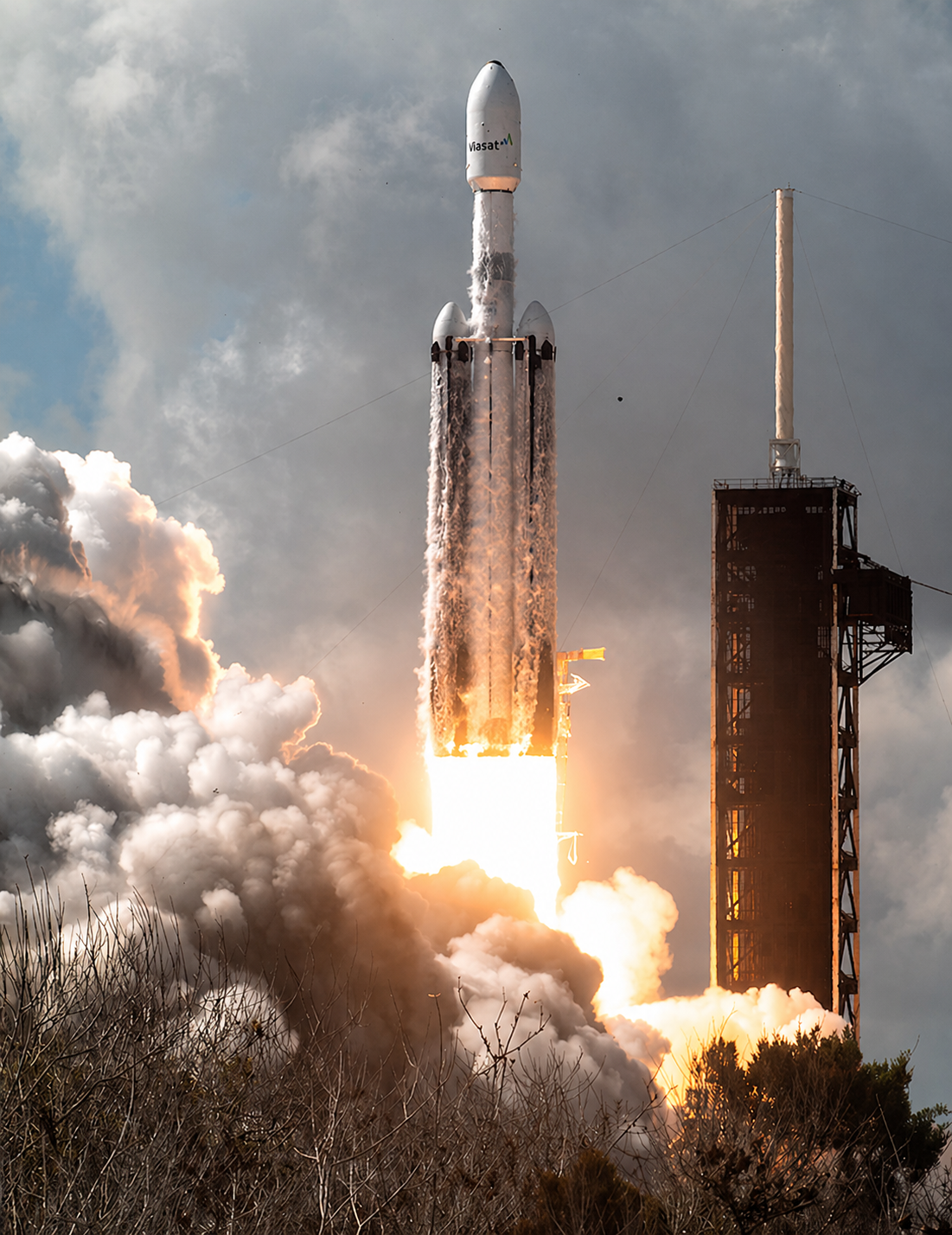
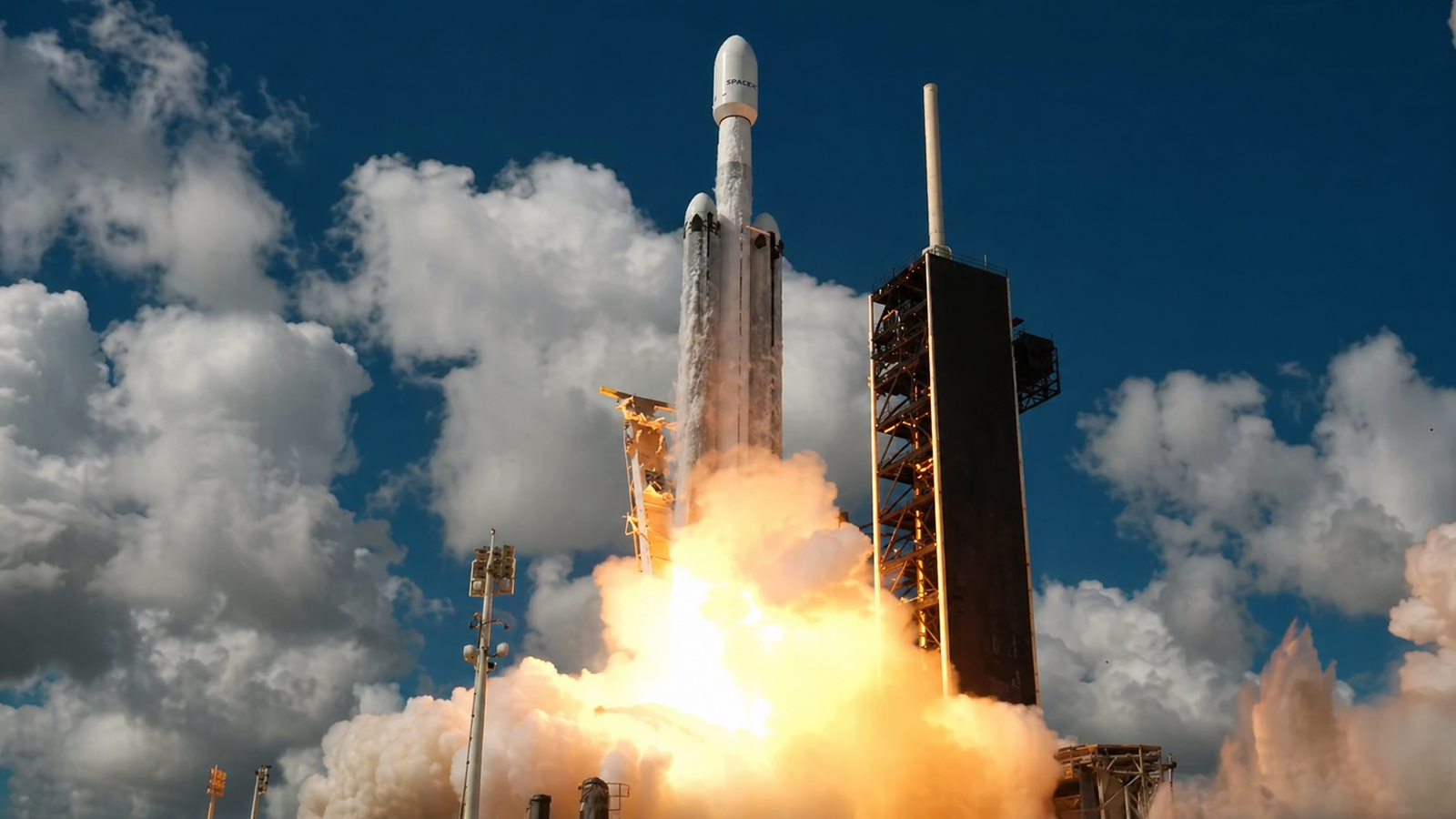
The Falcon Heavy lifted off from Kennedy Space Center on April 29 at 10:13 a.m. EDT (1413 GMT). Sitting atop the rocket was the massive ViaSat-3 F3, weighing approximately 6 metric tons.
The satellite is destined for Geostationary Orbit, located about 22,236 miles above Earth. Once deployed, it will orbit in sync with Earth’s rotation, allowing it to provide continuous coverage over a fixed region.
Why This Mission Matters
This launch is more than just another rocket flight—it plays a key role in expanding global internet access. ViaSat-3 F3 will deliver high-speed broadband services across the Asia-Pacific region, helping bridge connectivity gaps in remote and underserved areas.
It is the third satellite in the ViaSat-3 series:
- ViaSat-3 F1 (launched in 2023)
- ViaSat-3 F2 (launched in 2025)
- ViaSat-3 F3 (current mission)
Together, these satellites form a powerful network designed to deliver fast and reliable internet worldwide.
Falcon Heavy: One of the Most Powerful Rockets
The Falcon Heavy is known for its incredible strength and unique design. It uses three boosters derived from the Falcon 9 rocket, strapped together to generate immense power.
At liftoff, Falcon Heavy produces around 5.1 million pounds of thrust, making it the second most powerful operational rocket today. Only Space Launch System surpasses it, producing 8.8 million pounds of thrust.
For comparison, SpaceX’s next-generation rocket Starship aims to reach an astonishing 16.7 million pounds of thrust, although it is still under development.
A Look Back: Falcon Heavy’s History
Falcon Heavy first captured global attention in 2018 when it launched a unique payload—Tesla Roadster—into solar orbit. Since then, the rocket has completed multiple successful missions, proving its reliability.
Its last mission before this one took place in October 2024, when it launched NASA’s Europa Clipper toward Jupiter.
Booster Landing and Recovery
One of SpaceX’s standout innovations is reusable rocket technology. During this mission:
- The two side boosters successfully returned and landed at Cape Canaveral Space Force Station
- The central core booster was not recovered and fell into the Atlantic Ocean as planned
This partial reuse helps reduce launch costs while maintaining mission efficiency.
Weather Delays and Launch Challenges
Originally scheduled for April 27, the mission faced delays due to unfavorable weather conditions. However, SpaceX successfully executed the launch just two days later, showcasing flexibility and precision in operations.
The Future of Global Connectivity
ViaSat-3 F3 completes an ambitious satellite trio aimed at transforming global communication networks. With increasing demand for fast internet—especially in aviation, defense, and remote regions—this mission represents a major step forward.
Conclusion
The return of Falcon Heavy after 18 months highlights SpaceX’s continued dominance in the space industry. By launching ViaSat-3 F3, the company not only showcased its powerful rocket capabilities but also contributed to a more connected world.
As space technology continues to evolve, missions like this bring us closer to a future where high-speed internet is accessible everywhere on Earth.