Dates, Meaning of the Flower Moon, and When to See the Next Full Moon
Full Moon Calendar 2026 – Dates, Names, and Skywatching Guide
If you love watching the night sky, 2026 is set to be an exciting year. From the beautiful Flower Moon in May to a rare blue moon, each full moon offers a unique experience for skywatchers around the world.
In this guide, you’ll discover when the next full moon rises, why it’s called the Flower Moon, and what other celestial events you shouldn’t miss this year.
When Is the Next Full Moon in 2026?
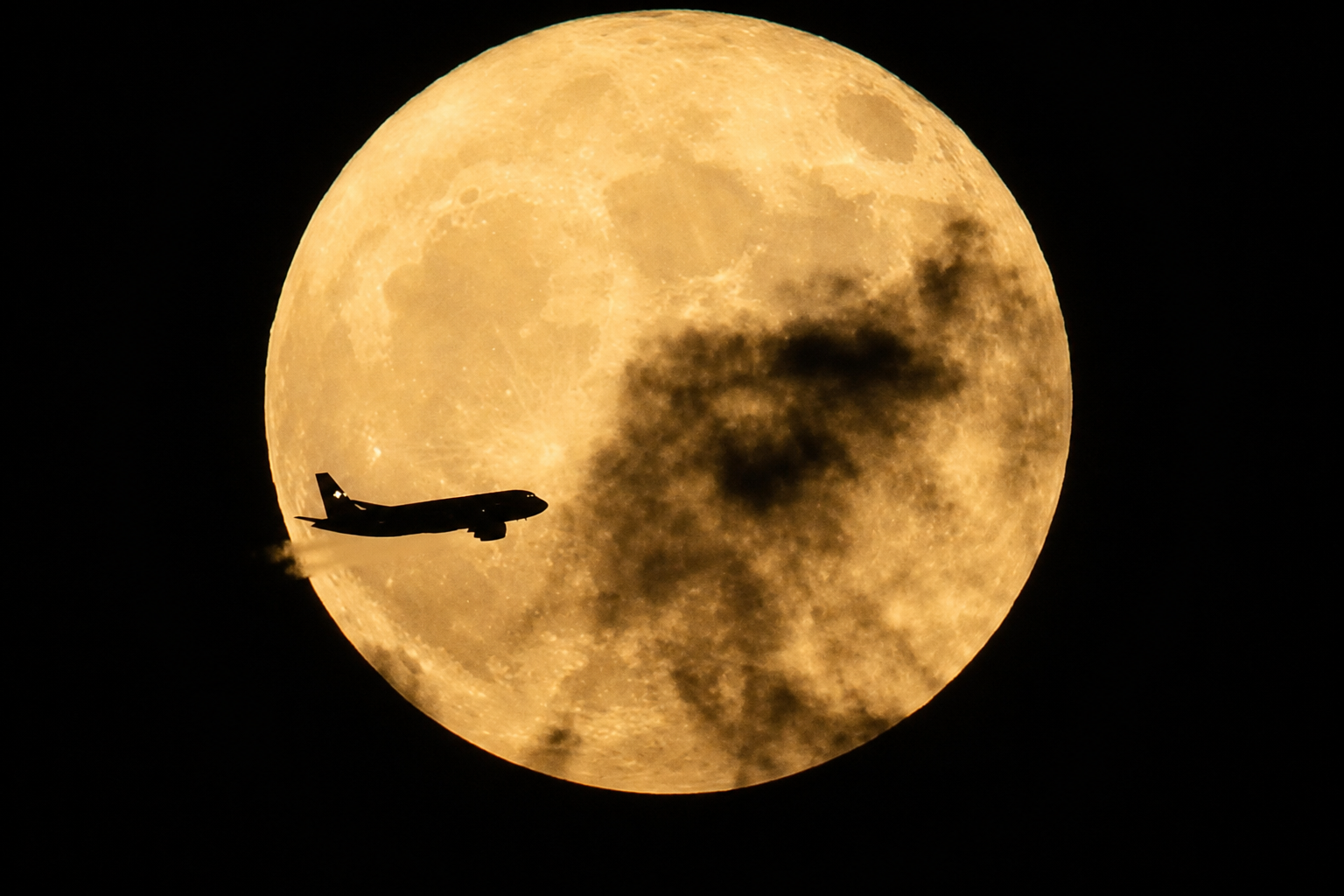
The full moon in early May 2026—known as the Flower Moon—lit up the sky on May 1. Interestingly, May features two full moons, with the second occurring on May 30. This second full moon is called a blue moon, a rare event that typically happens only once every two to three years.
This occurs because the Moon completes its cycle approximately every 29.5 days, allowing two full moons to occasionally fit within a single calendar month.
Why Is It Called the Flower Moon?
The name Flower Moon comes from nature itself. Across the Northern Hemisphere, May is the time when flowers bloom in abundance, marking the peak of spring.
Historically, different cultures gave this full moon various names, including:
- Planting Moon – linked to the start of the farming season
- Milk Moon – reflecting increased milk production in livestock
- Hare’s Moon – associated with wildlife activity in spring
These names reflect how closely early societies observed the natural world and aligned their lives with seasonal changes.
at Causes a Full Moon?
A full moon occurs when Earth is perfectly positioned between the Sun and the Moon. In this alignment, sunlight fully illuminates the side of the Moon facing Earth.
As a result, the Moon appears as a bright, complete circle in the night sky, rising around sunset and setting at sunrise.
Why Does the Moon Shine So Brightly?
The Moon doesn’t produce its own light. Instead, it reflects light from the Sun.
Half of the Moon is always lit by the Sun. During a full moon, the illuminated half faces Earth completely, making it appear especially bright and stunning.
Why Do We Always See the Same Side of the Moon?
Have you ever noticed that the Moon always looks the same? That’s because it is tidally locked with Earth.
This means the Moon rotates on its axis at the same rate that it orbits Earth—about 27.3 days. Because of this synchronization, we only ever see one side of the Moon from Earth, while the far side remains hidden from view.
Why Full Moons Are 29.5 Days Apart
Although the Moon orbits Earth in about 27.3 days, the time between full moons is slightly longer—around 29.5 days. This cycle is known as the synodic month.
The reason? Earth is also moving around the Sun. So after completing one orbit, the Moon must travel a bit further to reach the same alignment again, creating the familiar monthly cycle of lunar phases.
Other Sky Events to Watch in May 2026
May isn’t just about full moons—it also offers some incredible celestial events:
- **Eta Aquarid meteor shower (May 5–6): Fast meteors from Halley’s Comet will streak across the sky before dawn.
- New Moon (May 16): Perfect for stargazing due to darker skies.
- Crescent Moon & Venus (May 18): A beautiful pairing in the evening sky with Venus shining brightly.
- Blue Moon (May 30): The second full moon of the month—and the smallest full moon of 2026.
Why 2026 Is Special for Moon Watchers
With two full moons in May and a mix of stunning astronomical events, 2026 is a great year for both beginners and experienced skywatchers.
Whether you’re photographing the Moon, observing meteor showers, or simply enjoying the night sky, there’s something magical happening almost every week.
Conclusion: Don’t Miss the Magic of the 2026 Full Moons
The full moons of 2026 are more than just beautiful sights—they’re reminders of the natural rhythms that connect Earth, the Moon, and the Sun.
From the blooming-inspired Flower Moon to the rare blue moon, each phase tells a story. So mark your calendar, step outside, and take a moment to look up—the universe has a lot to show you this year.