Final ViaSat-3 Satellite Set to Transform Global Internet
SpaceX Prepares to Launch Final ViaSat-3 Satellite on Falcon Heavy Rocket
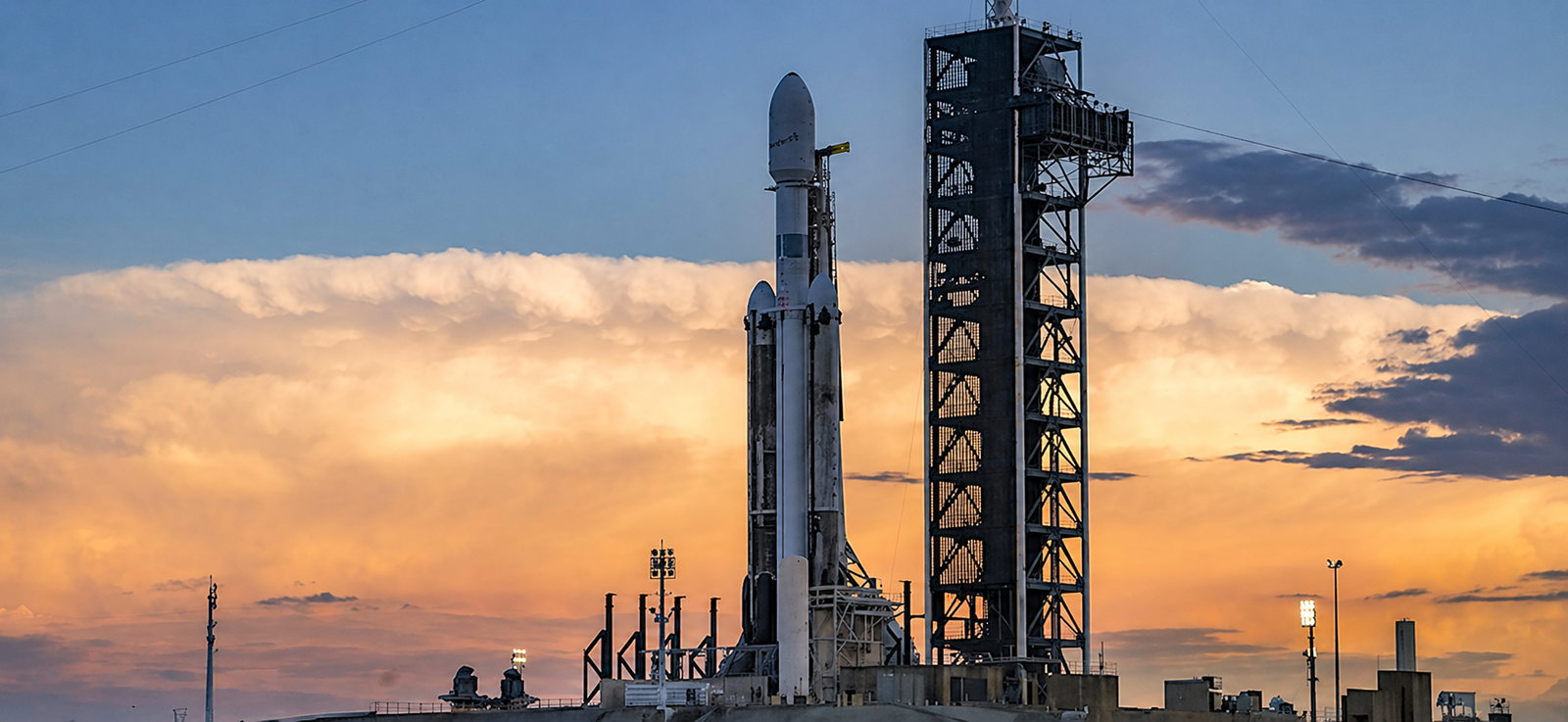
For one of the year’s most eagerly awaited space missions, the countdown has started. SpaceX is preparing to use its potent Falcon Heavy rocket to launch the last satellite in the ViaSat-3 constellation.
This mission, which is slated to launch from Kennedy Space Center, will complete a next-generation satellite network intended to provide high-speed internet worldwide, marking a significant turning point in international communications.
Launch Details and What to Expect
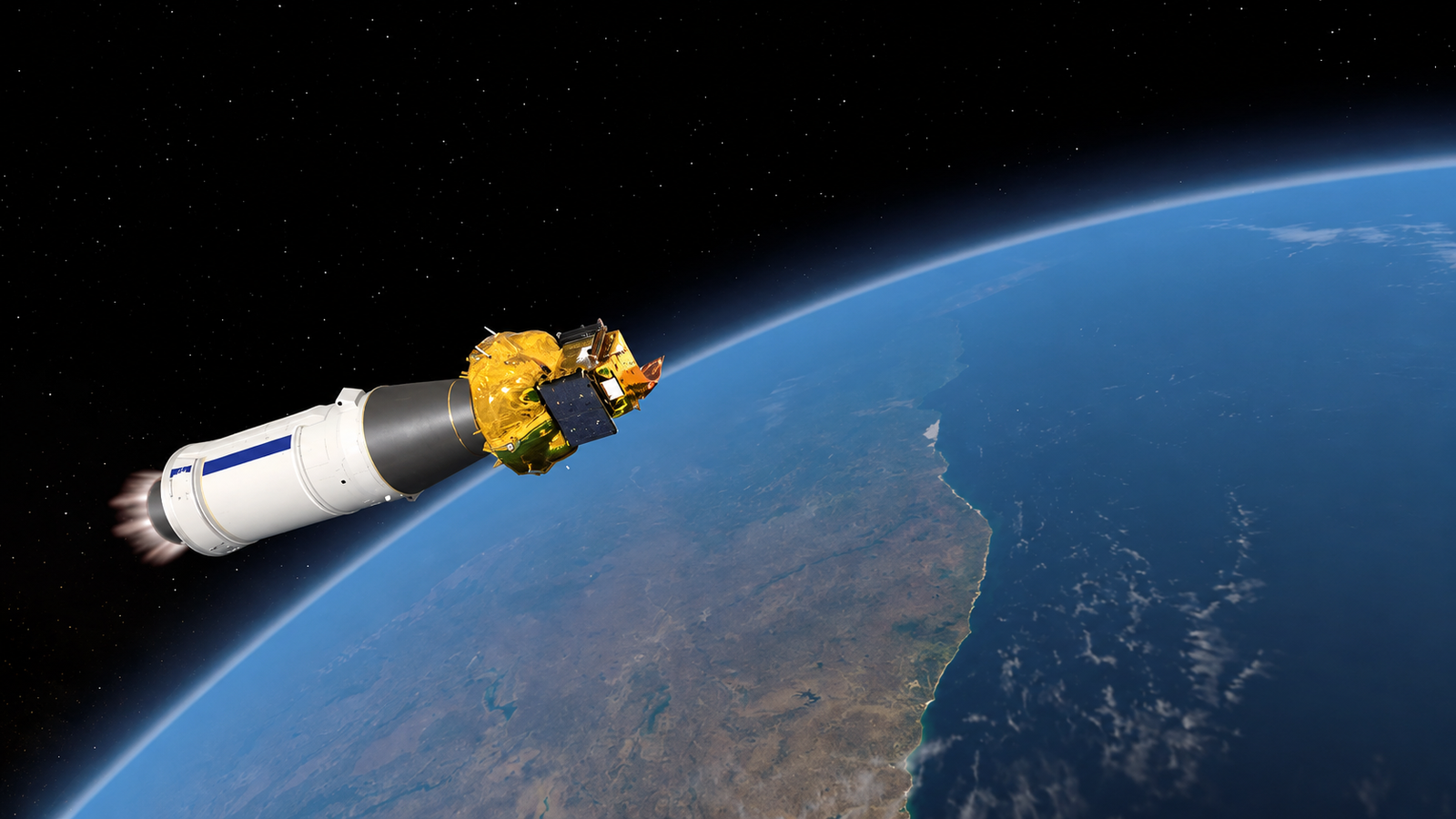
The Falcon Heavy rocket is set to launch within a designated window, carrying the massive ViaSat-3 Flight 3 satellite into a geosynchronous transfer orbit.
Here’s what makes this launch special:
- It’s the first Falcon Heavy mission in over a year
- The rocket will follow an easterly flight path
- Two side boosters will return for landing at Cape Canaveral Space Force Station
- The center core will not be recovered and will instead land in the Atlantic Ocean
The satellite itself, weighing around six metric tons, will separate from the rocket roughly five hours after liftoff, beginning its journey to operational orbit.
A Decade-Long Journey Comes to an End
For Viasat, this mission is more than just another launch—it represents the culmination of over a decade of work.
The ViaSat-3 program has evolved significantly over the years:
- Expansion from a small satellite network to a global system
- Strategic merger with Inmarsat
- Launch of two previous ViaSat-3 satellites
This final satellite completes the trio, marking the end of a long and transformative chapter for the company.
Why Falcon Heavy Makes a Difference
The Falcon Heavy rocket plays a crucial role in this mission’s success. Compared to older launch systems like the Atlas V, Falcon Heavy offers significantly more power.
This advantage allows:
- A more efficient transfer orbit
- Faster and fuel-saving satellite maneuvering
- Reduced time to reach operational position
Experts estimate that the satellite will take about two months to reach its final orbital slot, followed by additional time for system checks and deployment.
Expanding Internet Coverage Across Asia-Pacific
The final ViaSat-3 satellite is specifically designed to serve the Asia-Pacific region, one of the fastest-growing markets for connectivity.
Key benefits include:
- Over 1 terabit per second (Tbps) of additional network capacity
- Improved in-flight Wi-Fi for airlines
- Better connectivity in remote and underserved areas
Unlike traditional satellites, ViaSat-3 uses advanced phased array technology, allowing it to dynamically adjust coverage based on demand.
A New Era of Flexible Satellite Technology
One of the standout features of the ViaSat-3 system is its flexibility.
Traditional satellites:
- Have fixed beams
- Limited ability to redistribute bandwidth
- Often leave unused capacity in low-demand regions
In contrast, ViaSat-3 satellites can:
- Redirect capacity where it’s needed most
- Create multiple beams in high-demand areas
- Adapt in real-time to changing usage patterns
This innovation ensures more efficient use of resources and better service for users worldwide.
Weather Conditions and Launch Challenges
Weather always plays a critical role in rocket launches. Current forecasts suggest a 70% chance of favorable conditions, although meteorologists are monitoring:
- Cloud formations
- Electric field activity
- Potential effects from a passing weather system
Even minor changes in atmospheric conditions can impact the launch timeline, making real-time monitoring essential.
Final Thoughts: A Milestone for Space and Connectivity
This Falcon Heavy mission is more than just a rocket launch—it’s a defining moment in the evolution of global communication networks.
With the completion of the ViaSat-3 constellation:
- Internet access will become faster and more widespread
- Airlines and remote regions will benefit significantly
- Satellite technology will take a major leap forward
As SpaceX continues to push the boundaries of spaceflight, missions like this highlight how space technology is directly shaping life on Earth.