How to Watch NASA’s Historic Crewed Moon Mission in 2026
You may witness every second of humanity’s return to the moon in real time. One of the most significant space events of the decade is the much awaited Artemis 2 mission, which will send astronauts toward the Moon for the first time in over 50 years.
This NASA-led expedition represents a significant advancement in the ambitious Artemis program, opening the door for upcoming lunar landings and, eventually, Mars missions.
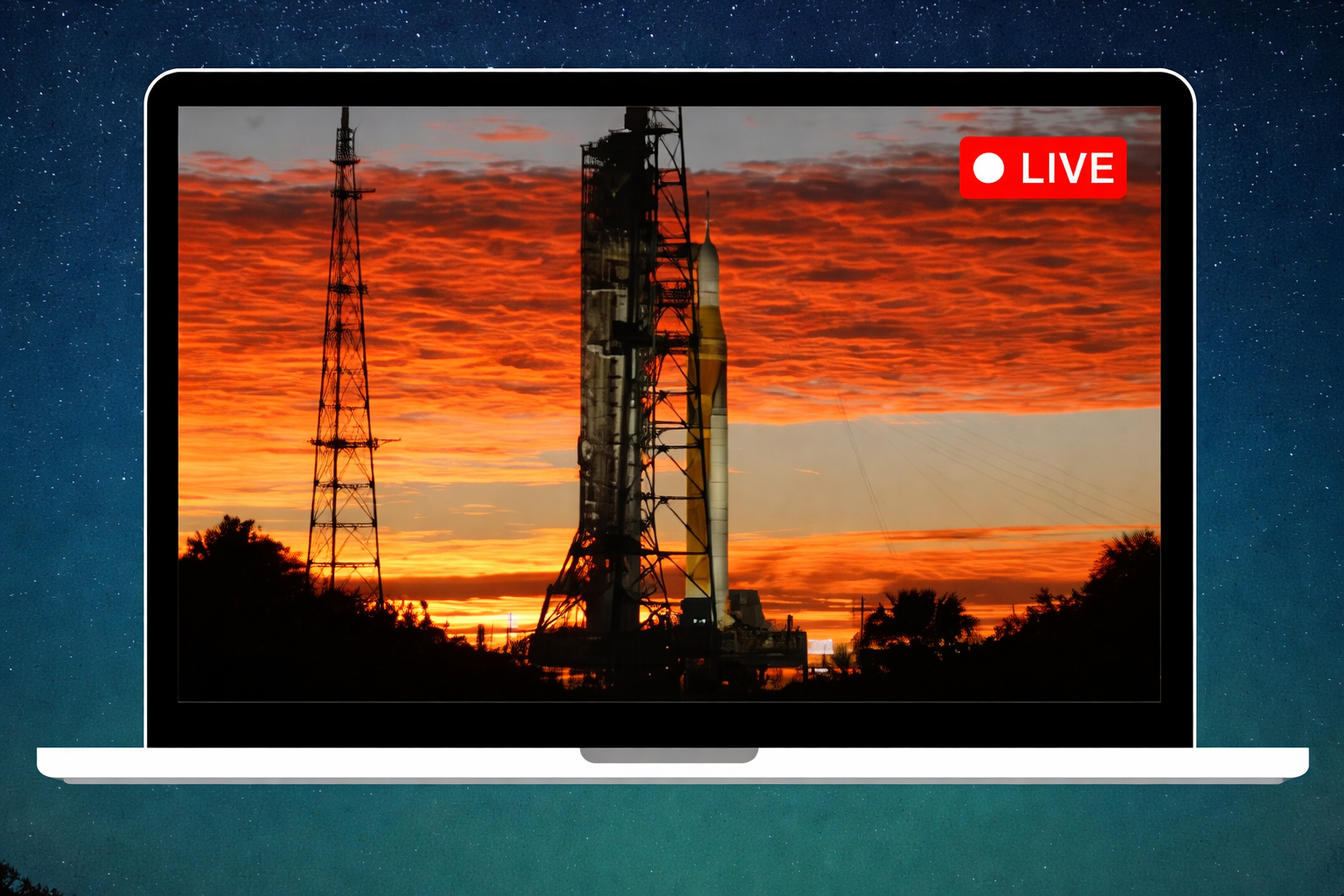
When and Where to Watch the Artemis 2 Launch Live
The Artemis 2 launch is scheduled for:
- Date: April 1, 2026
- Launch Time: 6:24 p.m. EDT (2224 GMT)
- Location: Kennedy Space Center
Live Stream Details
NASA’s official broadcast will begin hours before liftoff:
- Start Time: 12:50 p.m. EDT
- Available on NASA+ and partner platforms
This extended coverage will include pre-launch preparations, astronaut insights, and real-time updates.
Meet the Artemis 2 Astronaut Crew
The Artemis 2 mission will carry four astronauts aboard the Orion spacecraft:
- Reid Williams – Commander
- Victor Glover – Pilot
- Christina Koch – Mission Specialist
- Jeremy Hansen – Mission Specialist (Canadian Space Agency)
This diverse crew represents international collaboration and the next generation of human space exploration.
Mission Overview: A Journey Around the Moon
Artemis 2 is not a landing mission but a crewed lunar flyby, designed to test systems for future deep-space missions.
Key Mission Phases
1. Launch and Low Earth Orbit
The spacecraft will first enter orbit around Earth after liftoff aboard NASA’s powerful rocket system.
2. Trans-Lunar Injection
Approximately 24 hours after launch, the Orion spacecraft will perform a critical maneuver known as trans-lunar injection, sending the crew toward the Moon.
3. Lunar Flyby
The highlight of the mission will be when the spacecraft travels behind the Moon—an area not visible from Earth.
- Closest distance: ~5,000 miles (8,000 km)
- Astronauts will observe lunar surface features, lighting, and geology
4. Return and Splashdown
After a roughly 10-day journey, the mission will conclude with a splashdown in the Pacific Ocean near San Diego, assisted by the U.S. Navy.
The Technology Behind Artemis 2
Artemis 2 will test two critical components:
Space Launch System (SLS)
NASA’s most powerful rocket, designed for deep-space missions.
Orion spacecraft
A next-generation crew capsule built for long-duration missions beyond Earth orbit.
These systems were previously tested during the uncrewed Artemis 1 mission in 2022.
Live Coverage and In-Mission Updates
NASA plans to provide an immersive viewing experience throughout the mission:
- 24/7 camera feeds from the Orion spacecraft
- Daily communication sessions with astronauts
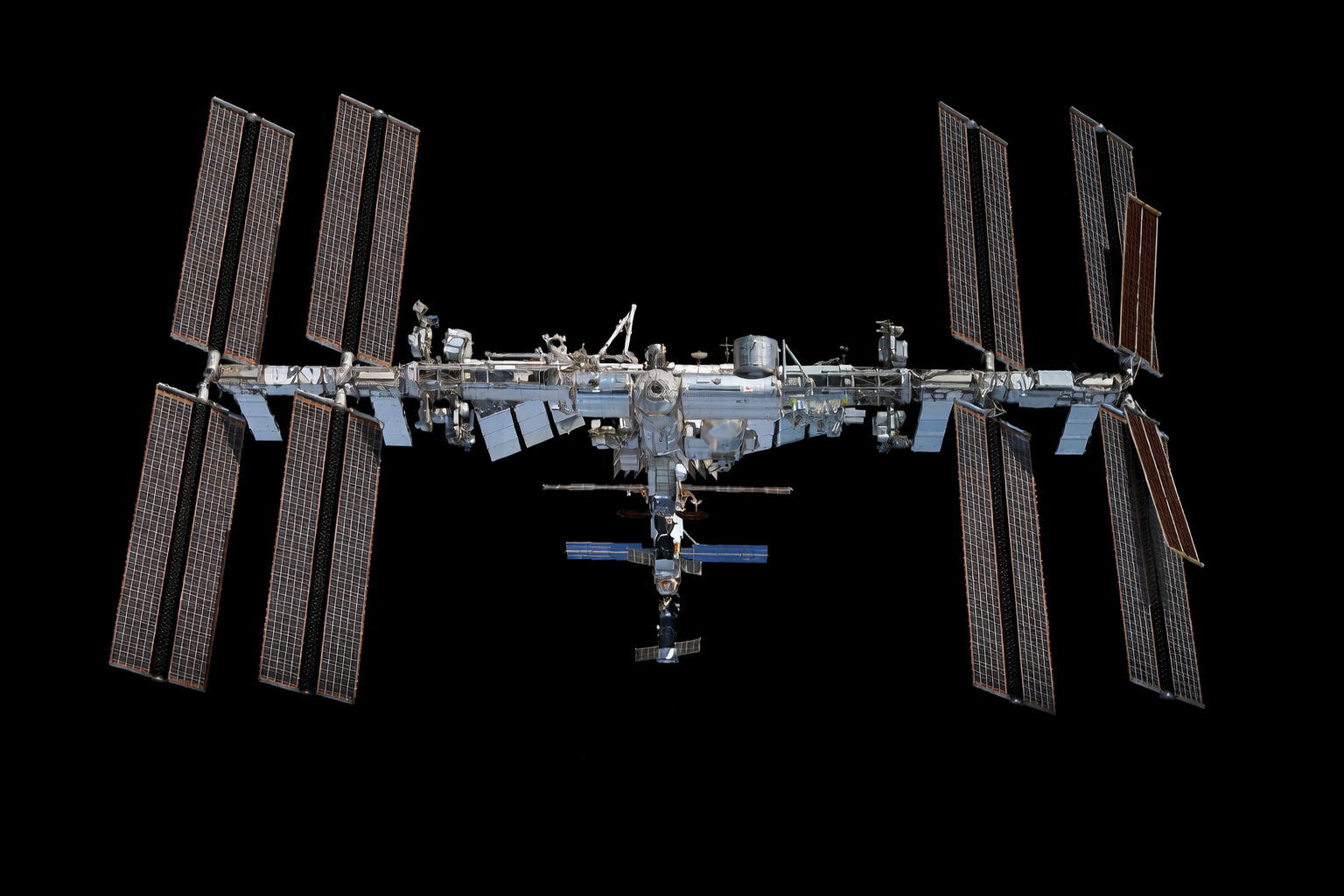
- Possible live interaction with the International Space Station
While live video quality may vary due to distance and data limitations, the mission will deliver unprecedented real-time insights into deep-space travel.
Scientific Goals of Artemis 2
Beyond testing hardware, the mission will also focus on human health and performance in space.
Research Objectives:
- Study astronaut behavior in microgravity
- Analyze effects of higher radiation exposure
- Evaluate performance during long-duration missions
These findings will be crucial for future Moon landings and Mars exploration.
Why Artemis 2 Matters
The Artemis 2 mission is more than just a return to the Moon—it represents a new era of space exploration.
Key Significance:
- First crewed lunar mission since 1972
- Foundation for future e lunar landings (Artemis 3)
- Step toward sustainable human presence on the Moon
Final Thoughts
The Artemis 2 mission is a historic milestone that reconnects humanity with deep-space exploration. With live coverage, real-time astronaut updates, and groundbreaking technology on display, this mission offers a rare opportunity to witness history as it unfolds.
Whether you’re a space enthusiast or a casual viewer, tuning in to Artemis 2 means being part of a moment that will shape the future of space travel for generations to come.