Astronauts Set to Reach the Moon’s Far Side in Historic Journey
NASA’s Artemis II mission reaches a historic milestone as astronauts travel to the far side of the Moon, breaking distance records and paving the way for future lunar exploration.
Introduction: A Giant Leap Back to the Moon
The NASA-led Artemis II Mission is making history as astronauts journey farther into space than any humans before. For the first time in over 50 years since the Apollo program, a crewed mission is heading toward the Moon—marking a bold new chapter in space exploration.
As the spacecraft approaches the Moon’s far side, the mission is not only breaking records but also reigniting humanity’s dream of deep space travel.
Historic Milestone: Reaching the Far Side of the Moon
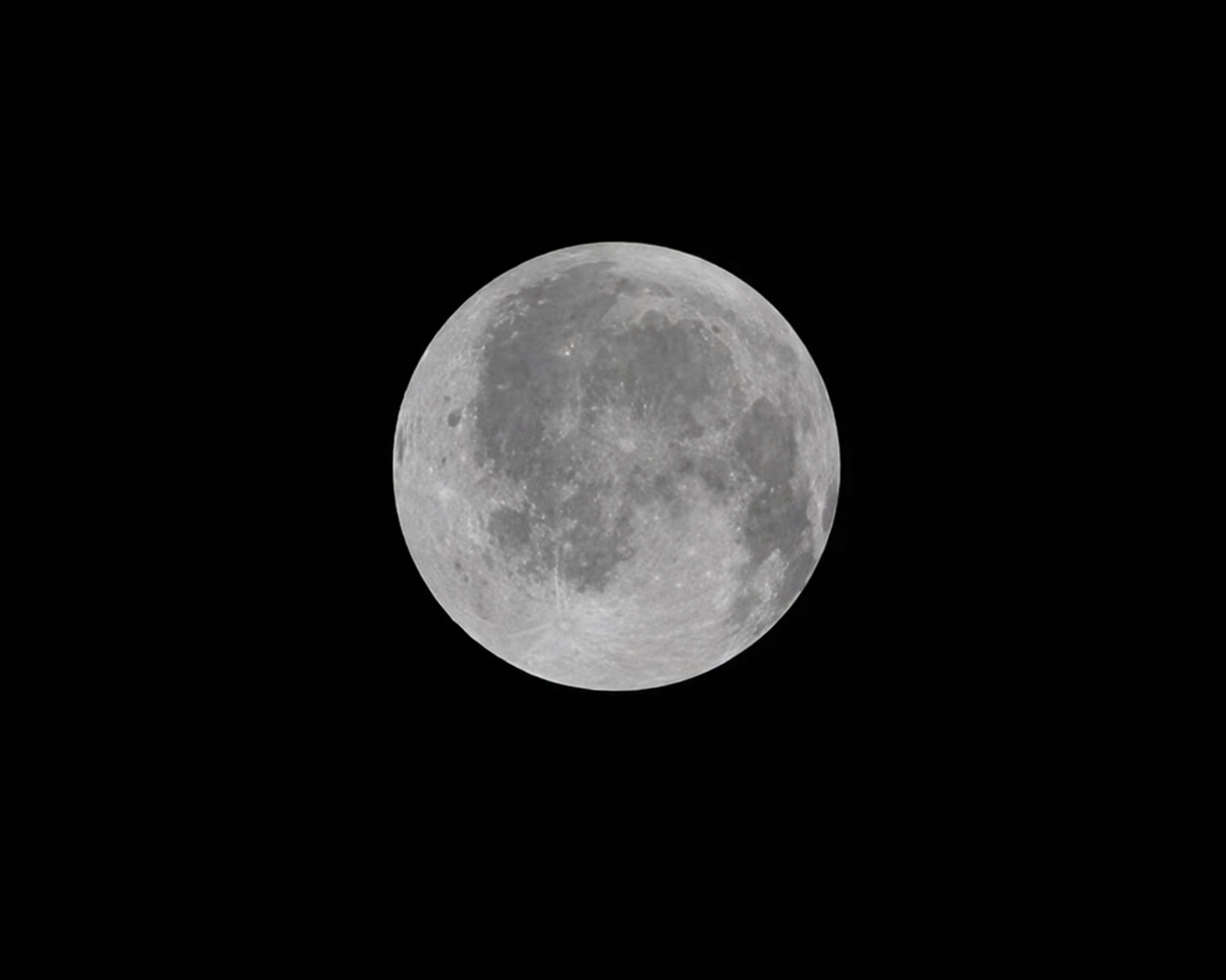
The Artemis II astronauts are expected to reach the Moon’s far side, a region never directly observed by humans in person.
Why This Matters
- First human mission beyond low Earth orbit in decades
- Deepest space travel ever achieved by astronauts
- Critical step toward future lunar landings
Pilot Victor Glover described the breathtaking view:
“The Earth is quite small, and the Moon is definitely getting bigger.”
This moment symbolizes just how far humanity has ventured into space.
Meet the Artemis II Crew
The four-member crew includes:
- Reid Wiseman (Commander)
- Victor Glover (Pilot)
- Christina Koch (Mission Specialist)
- Jeremy Hansen (Mission Specialist)
Together, they represent international collaboration and the next generation of space explorers.
Inside the Orion Spacecraft
The crew is traveling aboard the Orion spacecraft, designed for long-duration missions beyond Earth’s orbit.
Mission Highlights
- Traveling farther than any previous human mission
- Capturing high-resolution images of the Moon
- Testing systems for future lunar landings
The spacecraft will soon enter the lunar sphere of influence, where the Moon’s gravity becomes stronger than Earth’s.
Challenges in Space: Even Toilets Can Fail
Despite the mission’s success, not everything has gone smoothly.
Astronauts have reported issues with the Orion capsule’s toilet system:
- Intermittent malfunction since launch
- Possible ice blockage in the system
- Use of backup urine collection methods
While it may sound minor, such issues highlight the complexity of living and working in space. As NASA officials noted, space toilets have always been a technical challenge—even during earlier missions.
Breathtaking Views and Scientific Discoveries
The Artemis II crew has already sent back stunning images, including:
- A full view of Earth with oceans and clouds
- The Orientale Basin, a massive lunar crater resembling a bullseye
Astronaut Christina Koch described the moment as extraordinary:
Seeing features no human has ever observed directly is a once-in-a-lifetime experience.
The crew’s geology training allows them to document lunar features such as:
- Impact craters
- Ancient lava flows
- Surface formations critical for future missions
Breaking Records: Going Beyond Apollo
While Apollo missions flew about 70 miles above the Moon, Artemis II will approach within approximately 4,000 miles.
What Makes This Unique
- Wider view of the Moon’s surface
- Visibility of polar regions
- Longer observation window during flyby
The mission will last about six hours around the Moon, offering unprecedented visual and scientific opportunities.
Human Moments in Deep Space
Even in the vastness of space, human emotions remain strong.
Commander Reid Wiseman shared a touching moment after speaking with his family:
“It was just the greatest moment of my entire life.”
The crew’s morale remains high, supported by music, communication with loved ones, and the shared excitement of exploration.
What’s Next for Artemis?
The Artemis II mission is just the beginning of NASA’s long-term lunar strategy.
Future Goals
- Return humans to the Moon’s surface
- Establish a sustainable lunar base
- Prepare for missions to Mars
NASA is targeting a 2028 lunar landing near the Moon’s south pole, which could unlock new scientific discoveries and resources.
Conclusion: A New Era of Space Exploration
The Artemis II Mission represents more than just a journey—it’s a symbol of humanity’s return to deep space exploration.
By reaching the Moon’s far side and pushing the boundaries of what’s possible, this mission is laying the foundation for a future where humans live and work beyond Earth.
The adventure has only just begun.