Volkswagen Tests Self-Driving Microbuses in Los Angeles Ahead of Uber Robotaxi Launch
The transportation of the future is coming sooner than anticipated. In Los Angeles, Volkswagen and Uber have formally started testing their autonomous electric microbuses. This action is a significant step toward the anticipated late 2026 deployment of a full-scale robotaxi service.
A New Era of Autonomous Mobility Begins
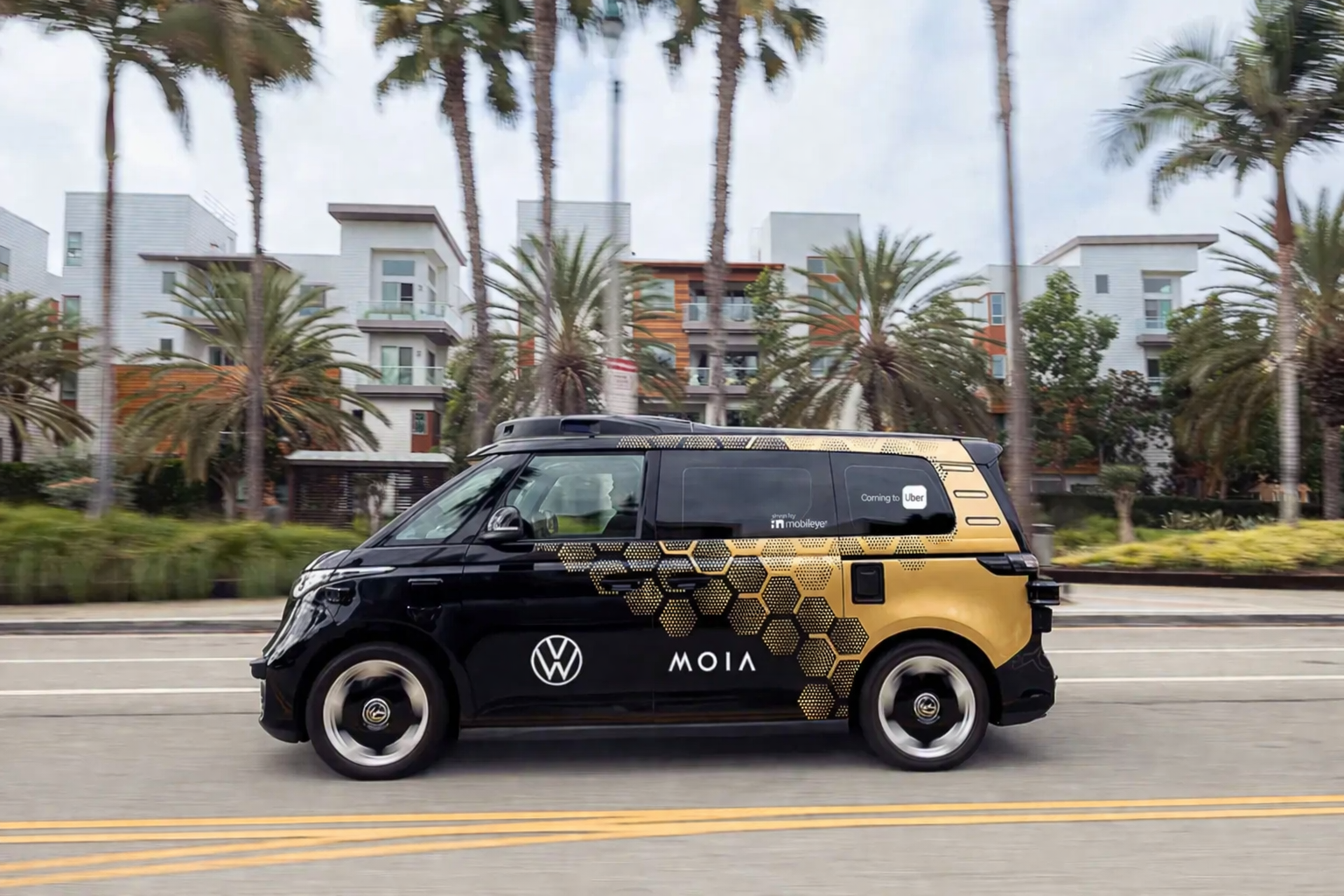
Volkswagen’s U.S. subsidiary, MOIA America, is leading the initiative. The company is deploying self-driving versions of its futuristic electric minivan, the Volkswagen ID. Buzz, as part of a long-term strategy to transform urban transportation.
The pilot program will begin with a small fleet of around 10 autonomous vehicles operating in Los Angeles. Each vehicle is designed to carry up to four passengers, offering a comfortable and shared ride experience.
Why Los Angeles Is the Perfect Testing Ground
Los Angeles isn’t just another city—it’s a global symbol of car culture and innovation. According to company executives, its openness to new mobility technologies makes it an ideal location for launching autonomous ride services.
MOIA America has already established a dedicated operations facility in the city to manage daily fleet activities. While the initial rollout is small, Volkswagen plans to expand the fleet to over 100 vehicles in the coming years.
Safety First: Human Operators Still Onboard
Even though these vehicles are fully autonomous, safety remains a top priority. During the testing phase, each vehicle will include a trained human safety operator.
Fully driverless operations are expected to begin in 2027, once all safety benchmarks and regulatory approvals are met.
From Volkswagen ADMT to MOIA America
The branding shift from Volkswagen ADMT to MOIA America reflects a broader global strategy. The MOIA brand has been active in Europe since 2018, where it operates ride-pooling services and tests autonomous technology in cities like Hamburg, Berlin, Munich, and Oslo.
This rebranding strengthens the connection between Volkswagen’s U.S. and European mobility efforts.
Regulatory Hurdles Ahead
Before launching a commercial robotaxi service in California, MOIA America must secure approvals from key regulators, including:
- The California Department of Motor Vehicles (DMV)
- The California Public Utilities Commission (CPUC)
These approvals are essential for operating driverless vehicles that can charge passengers for rides.
Uber’s Expanding Autonomous Strategy
Uber is not placing all its bets on a single partner. The company is actively collaborating with more than 25 autonomous technology firms across multiple sectors, including ride-hailing, delivery, trucking, and even drones.
One of its most notable partnerships is with Waymo, but Uber is also expanding globally. It has signed agreements with companies in Europe and the Middle East, including the U.K.-based startup Wayve.
Big Investment in the Future
Uber is also investing heavily in next-generation autonomous vehicles. Recently, it partnered with Rivian to purchase 10,000 fully autonomous R2 robotaxis. The deal includes an initial $300 million investment and aims to launch services in cities like San Francisco and Miami by 2028.
What This Means for the Future of Transportation
Volkswagen and Uber’s collaboration signals a major shift toward a driverless future. If successful, this project could redefine urban mobility by:
- Reducing traffic congestion
- Lowering transportation costs
- Improving road safety
- Cutting carbon emissions with electric vehicles
Los Angeles is just the beginning. With plans to expand to multiple U.S. cities, autonomous ride services may soon become a normal part of everyday life.
Final Thoughts
The testing of self-driving microbuses by Volkswagen and Uber is more than just a tech experiment—it’s a glimpse into the future of transportation. While regulatory and technical challenges remain, the momentum is undeniable.
As we move closer to 2026, one thing is clear: the era of robotaxis is no longer a distant dream—it’s right around the corner.