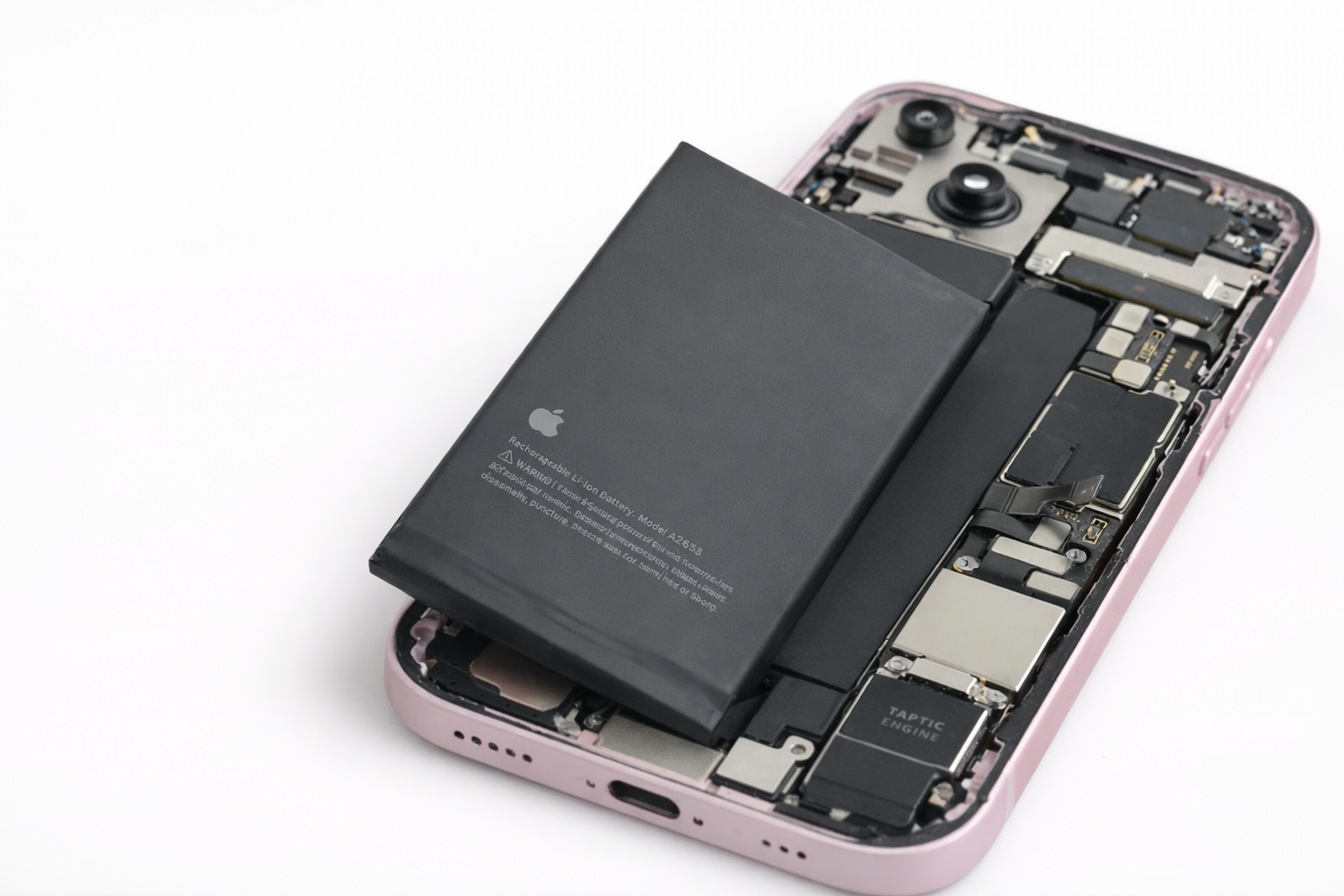
Many question why Apple, Google, and Samsung aren’t including larger batteries in their flagship smartphones in a time when smartphone consumers want more screen time. Tech companies continue to prioritize moderate battery sizes, despite some brands aggressively pushing 6,000mAh or even 7,000mAh batteries. It’s a strategic balance between ecosystem optimization, safety, design, and performance, not a case of oversight.
Priority is given to a premium build and slim design.
Design philosophy is a key factor in why leading smartphone brands steer clear of large batteries. Google, Samsung, and Apple place a high value on products that are lightweight, thin, and made of high-quality materials. Ergonomics and aesthetics may suffer if phones with larger batteries have thicker frames and weigh more. Brands that market their goods as high-end lifestyle gadgets must keep a streamlined appearance.
Raw Battery Size Is Outperformed by Software Optimization
These businesses make significant investments in software optimization rather than expanding battery capacity. AI-driven power management is used by Samsung’s One UI, Apple’s iOS, and Google’s Android enhancements to effectively prolong battery life. Phones can last longer without using large batteries thanks to features like adaptive battery usage, background app limits, and intelligent refresh rate control.
Safety Guidelines and the Lifespan of Batteries
Larger batteries produce greater heat, particularly while charging quickly and playing games. This raises the possibility of long-term battery deterioration and heat problems. Major brands now put safety and durability above raw capacity in response to high-profile battery failures in the past. Smaller, well-maintained batteries hold up better over time.
Quick Charging and Accessories for the Ecosystem
The emergence of rapid charging and accessory ecosystems is another reason why Apple, Google, and Samsung steer clear of large batteries. Extremely huge batteries are not as necessary thanks to wireless charging, MagSafe devices, power banks, and car chargers. Users rely on quick top-ups throughout the day rather than carrying additional weight in the phone itself.
Sustainability and Environmental Issues
Sustainability is another important consideration.
The environmental impact of larger batteries increases since they require more raw materials. Particularly, Apple and Google place a strong emphasis on recyclable materials and carbon neutrality. These businesses cut waste and increase the useful life of their devices by focusing on battery efficiency rather than size.
Why Chinese Brands Adopt a Distinct Strategy
To appeal to power users and gamers, brands like Xiaomi, Realme, and iQOO frequently use larger batteries. Whereas Samsung, Google, and Apple strive for long-term dependability, brand loyalty, and ecosystem integration, their approach concentrates on specifications and value. Different priorities, different markets.
The Bottom Line
Apple, Google, and Samsung are addressing battery life issues in diverse ways rather than disregarding user needs. These companies provide dependable all-day performance without compromising longevity or design because to improved ecosystems, safer battery management, and cleverer software.