from Alaska to Study Mysterious Black Auroras
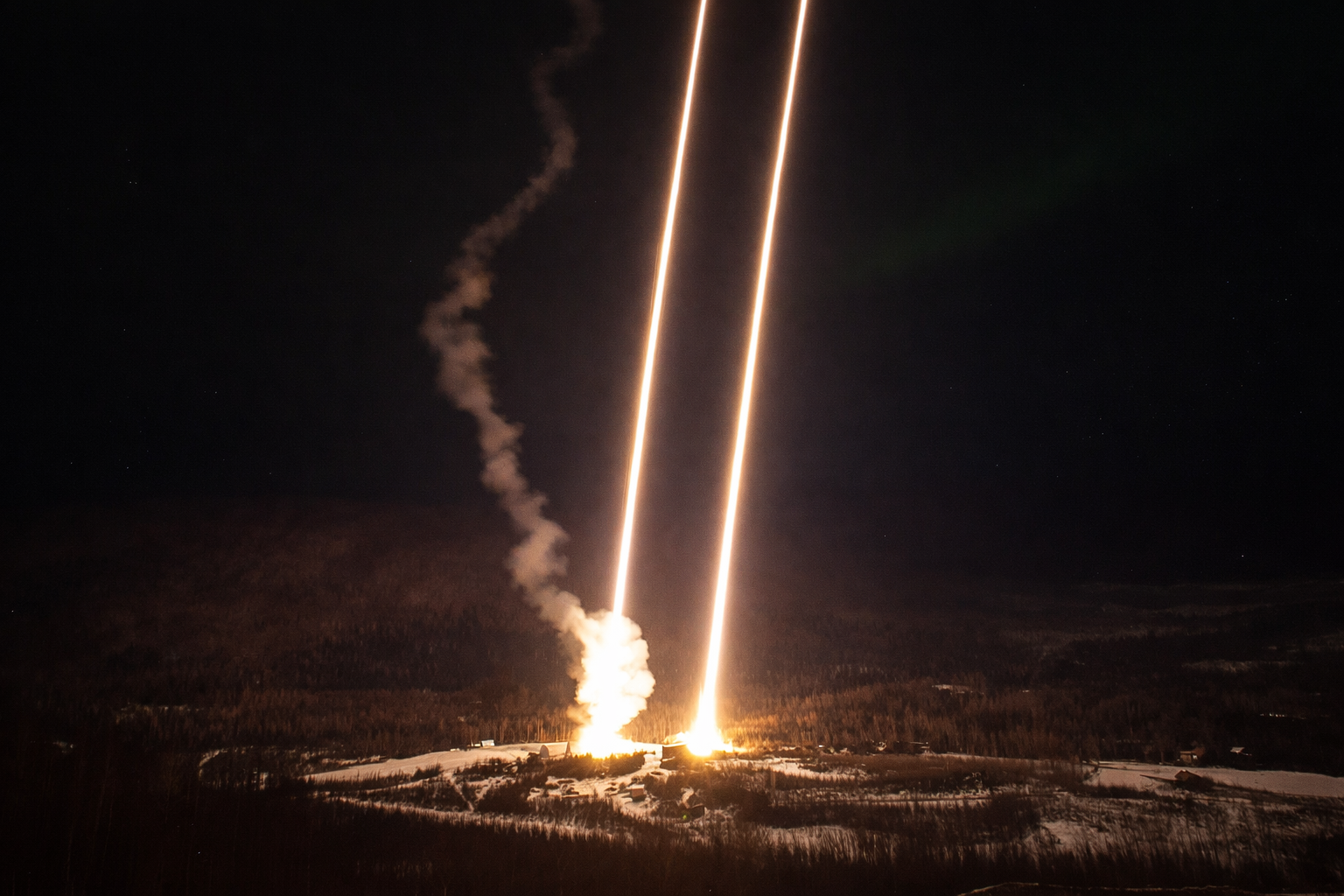
NASA has launched two rocket missions from Alaska to explore the complicated electrical activity within auroras, including the rare and enigmatic black auroras, in a ground-breaking attempt to better comprehend the science behind the northern lights.
These efforts may play a major role in protecting satellites, astronauts, and possibly Earth’s electrical networks from the effects of geomagnetic storms.
Let’s look at what happened, why it matters, and how it could impact future space travel.
Why NASA Launched Rockets Into the Northern Lights
Auroras — commonly known as the aurora borealis — occur when charged particles from the solar wind collide with Earth’s atmosphere. These collisions create stunning displays of light near the polar regions.
But beneath their beauty lies a powerful and dynamic electrical system.
Geomagnetic storms associated with auroras can:
- Disrupt satellites in orbit
- Threaten astronaut safety
- Interfere with GPS and radio communications
- Cause airline route diversions
- Trigger large-scale power blackouts
To better understand this phenomenon, NASA launched two separate scientific missions from the Poker Flat Research Range near Fairbanks.
Both missions used suborbital sounding rockets, which briefly travel into space to collect atmospheric data before returning to Earth.
The BADASS Mission: Studying Black Auroras
The first mission, known as the Black and Diffuse Auroral Science Surveyor (BADASS), launched in the early hours of February 9.
What Are Black Auroras?
Unlike traditional auroras — where electrons stream downward into Earth’s atmosphere — black auroras occur when electrons flow upward into space instead.
Instead of glowing light, these regions appear as dark voids within the auroral display, creating a strange “negative space” effect in the sky.
Mission Details
- Rocket reached an altitude of 224 miles (360 km)
- Carried advanced scientific instruments
- Successfully returned high-quality data
According to principal investigator Marilia Samara, the mission went exactly as planned. The instruments performed flawlessly and captured valuable data that could help scientists understand why and how this electron stream reversal occurs.
Understanding this reversal is critical to mapping the electrical “circuitry” of auroras.
The GNEISS Mission: A ‘CT Scan’ of the Northern Lights
The second mission, Geophysical Non-Equilibrium Ionospheric System Science (GNEISS), launched a day later on February 10.
Pronounced “nice,” GNEISS used two sounding rockets launched back-to-back to examine electric currents flowing through auroras.
Flight Highlights
- Both rockets reached peak altitudes of 198 miles (319 km)
- Data collected from both flights
- Supported by a network of ground-based receivers
The mission aims to create a three-dimensional model of the aurora’s electrical structure.
Kristina Lynch, the mission’s principal investigator and professor at Dartmouth College, described the process as:
“Essentially like doing a CT scan of the plasma beneath the aurora.”
By combining rocket data with ground sensors, researchers can map how electric currents move downward through Earth’s atmosphere — something scientists have been trying to fully understand for decades.
Why Studying Auroras Matters More Than Ever
With the increase in satellite launches and future crewed missions to the Moon and Mars, understanding space weather is no longer optional — it’s essential.
Auroras and Geomagnetic Storms
Auroras are closely linked to geomagnetic storms, which are caused by solar activity such as coronal mass ejections.
These storms can:
- Damage satellite electronics
- Increase atmospheric drag on spacecraft
- Pose radiation risks to astronauts
- Disrupt communications and navigation systems
- Impact electrical grids on Earth
By studying auroras at a deeper level, scientists can improve forecasting models and develop better protection systems for space infrastructure.
How This Research Protects Astronauts and Satellites
As NASA prepares for long-term space missions and commercial space travel continues expanding, the risks associated with solar storms grow.
Better understanding the electrical environment of auroras helps:
- Improve satellite shielding designs
- Enhance space weather prediction systems
- Reduce risk during extravehicular activities (spacewalks)
- Protect onboard electronics in orbit
In short, these missions are about more than scientific curiosity — they are about safeguarding the future of space exploration.
What Makes These Missions Unique?
Several factors make the BADASS and GNEISS missions particularly significant:
- Focus on black auroras, a lesser-understood phenomenon
- Dual-rocket coordination for 3D electrical mapping
- Integration of airborne and ground-based data systems
- High-altitude data collection near the edge of space
Sounding rockets may only fly for a short time, but the data they gather can reshape our understanding of near-Earth space.
The Bigger Picture: Advancing Space Weather Science
Space weather research has become increasingly important in recent years as society grows more dependent on satellite technology.
GPS navigation, weather forecasting, financial transactions, aviation systems, and global communications all rely on space-based infrastructure.
Understanding auroral electrical systems helps scientists answer critical questions:
- How does solar wind energy transfer into Earth’s atmosphere?
- Why do electron streams reverse during black auroras?
- How do electric currents spread downward?
Each mission brings us closer to solving these mysteries.
Final Thoughts: A Bright Future for Aurora Research
NASA’s twin rocket launches from Alaska represent an important step forward in understanding the hidden electrical world behind the northern lights.
Although their beauty enthralls skywatchers, auroras are also potent markers of solar activity that have the potential to impact life on Earth and beyond.
NASA is improving our capacity to safeguard astronauts, satellites, and contemporary infrastructure against the erratic effects of space weather by tracking electric currents and researching black auroras with never-before-seen detail.
Even though the sky is colored, we are now starting to comprehend the unseen forces that give it its brightness because of these missions.