A VisionOS and Android XR Competitor Set to Debut at GDC 2026
The extended reality (XR) industry is entering a new chapter in 2026. With Apple, Google, Samsung, and Meta redefining the premium headset market, Pico is preparing its next move. At the upcoming Game Developers Conference (GDC) 2026, Pico will showcase the core operating system and platform capabilities of its next flagship XR headset — Project Swan.
Instead of presenting itself as a low-cost substitute, Pico seems prepared to take on high-end systems like Android XR and visionOS head-to-head. Here is what we currently know, along with the reasons why Project Swan might change the competitive environment.
Pico Project Swan: A New Flagship XR Headset
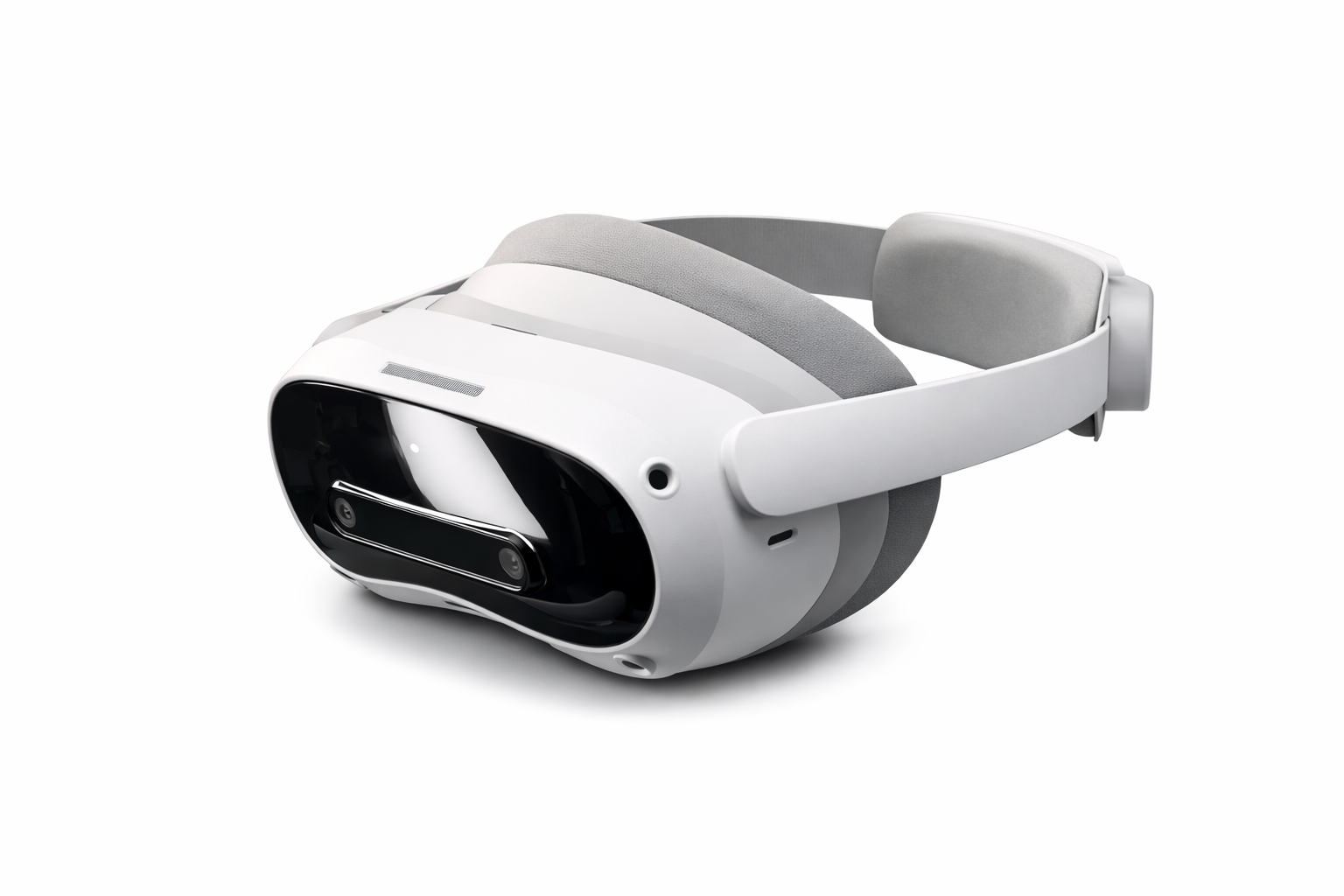
Project Swan represents Pico’s next major leap in spatial computing. While the company has not fully revealed the hardware, it confirmed that the headset will run PICO OS 6, the latest version of its Android-based operating system.
At GDC, Pico plans to highlight:
- Graphics performance improvements
- A new multimodal interaction system
- Developer toolchain enhancements
- Live demos and real-world use cases
- Guidance for porting existing apps and games into spatial computing workflows
The company describes Project Swan as introducing a new paradigm for spatial experiences, where games and productivity apps coexist in a shared immersive environment. This suggests a move toward mixed reality multitasking — an area increasingly important in premium XR headsets.
Lightweight Design With Compute Puck Architecture
Reports suggest that Project Swan will adopt a slim, lightweight hybrid design, weighing approximately 100 grams. Instead of housing all processing internally, it is expected to offload computing tasks to a tethered compute puck.
This architecture could offer:
- Reduced headset weight
- Better thermal performance
- Extended battery efficiency
- Improved comfort for long sessions
- Project Swan is positioned as a major player in advanced spatial interaction with the anticipated addition of hand and eye tracking.
Advanced Display Technology: MicroOLED With Near-4,000 PPI
In late 2025, Pico’s parent company ByteDance revealed key details about the headset’s display and silicon.
Project Swan is expected to feature:
- A self-developed chip
- Custom microOLED displays
- Approximately 4,000 pixels per inch (PPI)
- Around 40 pixels per degree (PPD), exceeding 45 PPD at the center
For context, Apple’s Vision Pro uses a 3,386 PPI display. Project Swan’s higher density suggests sharper visuals and enhanced clarity for text-heavy and productivity applications.
Additionally, Pico is reportedly addressing brightness limitations using:
- Microlens array (MLA) technology
- Optical compensation for improved color and luminance uniformity
These advancements aim to reduce common XR display issues like uneven brightness and washed-out colors.
The Competitive Landscape in 2026
The XR market looks very different compared to when Pico launched the Pico 4 in 2022. Back then, Pico focused on competing with Meta in East Asia and Europe while leveraging strong enterprise presence and access to the Chinese market.
Now, the battlefield has shifted.
Apple Vision Pro
Apple entered the XR space with its premium headset, priced at $3,500, targeting professionals and early adopters.
Key Highlights:
- Ultra-high-resolution microOLED displays
- Spatial computing focus
- Productivity-first approach
- M-series silicon performance
Apple later refreshed the device with updated hardware while maintaining the same price point, reinforcing its commitment to the high-end XR segment.
Samsung Galaxy XR (Android XR Platform)
Google formally launched Android XR in partnership with Samsung, introducing the Galaxy XR headset priced around $1,800.
Key Highlights:
- Android XR platform integration
- Tight ecosystem compatibility
- Competitive pricing compared to Vision Pro
- High-end mixed reality capabilities
Android XR represents Google’s unified strategy for spatial computing across devices.
Meta’s Next-Generation XR Headset
Meta is also rumored to be developing a lightweight headset with a tethered compute puck — similar to Project Swan’s expected design.
Although Meta’s Horizon OS has traditionally focused on consumer VR, recent strategic shifts suggest a move toward premium devices. Reduced funding for first-party Quest content may signal a pivot toward hardware innovation and enterprise appeal.
Where Does Project Swan Fit?
Rather than competing at the low end, Project Swan appears poised to straddle the prosumer and enterprise segments.
This makes Pico less of a direct competitor to Horizon OS and more aligned with:
- visionOS
- Android XR
The focus on advanced displays, spatial multitasking, and developer enablement suggests Pico aims to attract serious developers and productivity-focused users.
However, ByteDance’s reduced investment compared to earlier XR expansion efforts may indicate a more cautious strategy moving forward.
What to Expect at GDC 2026
Pico will showcase Project Swan’s OS and platform capabilities at GDC, March 9–13, at the Moscone Center in San Francisco.
Developers can expect:
- Live demonstrations
- Insights into spatial app adaptation
- Graphics performance breakdowns
- Tools for XR content migration
If hardware is revealed alongside software, it could be one of the most significant XR announcements of 2026.
The Future of XR: Premium Over Mass Market
Early expectations of mass consumer XR adoption have cooled. Instead, companies are focusing on:
- High-resolution displays
- Productivity and multitasking
- Premium pricing strategies
- Enterprise use cases
The industry’s shift suggests that spatial computing may evolve first as a professional tool before becoming mainstream.
Project Swan fits this narrative well.
Final Thoughts: A Serious VisionOS and Android XR Challenger?
Pico’s Project Swan could represent the company’s most ambitious move yet. With advanced microOLED technology, custom silicon, and a hybrid compute puck design, it aims squarely at the premium XR tier.
If Pico successfully delivers:
- Lightweight comfort
- Superior visual clarity
- Robust developer support
- Competitive pricing
It may emerge as a credible alternative to Apple, Google, and Meta in the next generation of spatial computing.
All eyes now turn to GDC 2026. The XR race is no longer about affordability — it’s about redefining immersive computing at the highest level.