10 Game-Changing Features That Transformed Wearable Technology
Since its release in 2015, the Apple Watch has transformed from a fashionable accessory to one of the most effective wrist-mounted health and safety tools. In 2026, Apple Inc. will celebrate 50 years of innovation, so now is the ideal time to reflect on the major innovations that revolutionized the smartwatch market.
These are the ten Apple Watch inventions that revolutionized wearable technology, from life-saving safety features to sophisticated health monitoring.
1. The Original Apple Watch: A Smart Beginning (2015)
When the first Apple Watch launched on April 24, 2015, it set a new benchmark for wearable design and functionality. While it lacked many of today’s advanced features, it introduced:
- Built-in heart rate monitoring
- Support for Apple Pay
- The iconic Digital Crown
- Access to a dedicated app ecosystem
Despite limitations like no GPS or cellular connectivity, it quickly became a status symbol and tech essential, selling millions in its first year.
2. Built-In GPS for True Fitness Freedom (2016)
With the arrival of Apple Watch Series 2, Apple introduced onboard GPS, allowing users to track workouts without carrying their iPhone.
Why it mattered:
- Accurate outdoor activity tracking
- Greater independence for runners and cyclists
- A big leap toward fitness-focused wearables
3. Cellular Connectivity: Leave Your Phone Behind (2017)
The Apple Watch Series 3 popularized LTE connectivity in smartwatches. With eSIM technology, users could:
- Make calls
- Send messages
- Stream music
—all without needing their phone nearby.
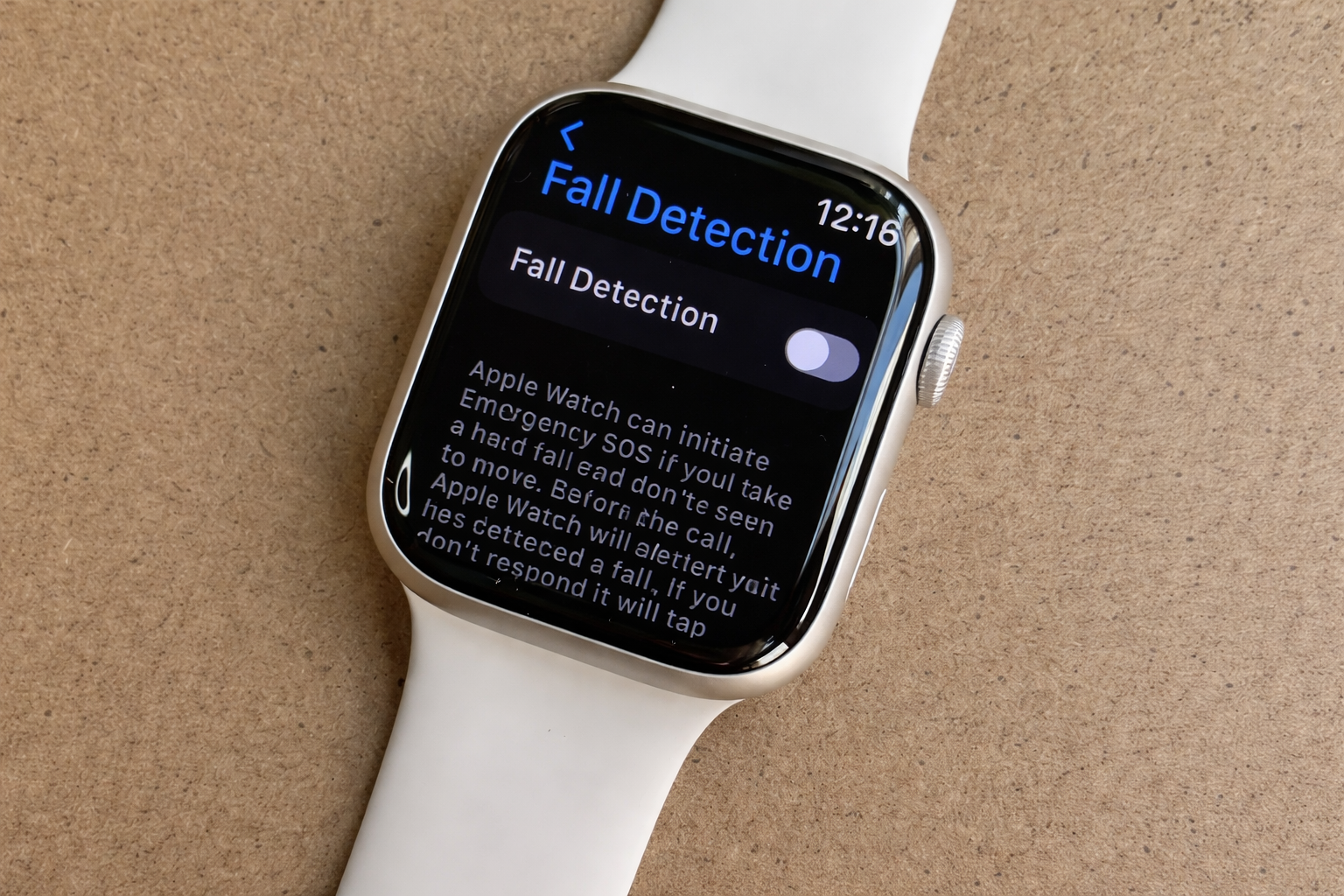
4. Fall Detection: A Life-Saving Safety Feature (2018)
Introduced with Apple Watch Series 4, Fall Detection uses motion sensors to detect hard falls.
If the wearer doesn’t respond, the watch can:
- Automatically call emergency services
- Share location with contacts
This feature has saved countless lives, especially among elderly users.
5. ECG Monitoring: A Medical Breakthrough on Your Wrist (2018)
The same Series 4 model introduced FDA-approved ECG functionality, capable of detecting irregular heart rhythms like Atrial fibrillation.
Impact:
- Turned the Apple Watch into a medical-grade device
- Empowered users to monitor heart health in real time
- Marked a shift toward healthcare-focused wearables
6. Always-On Display for Seamless Experience (2019)
With Apple Watch Series 5, Apple introduced an always-on display powered by LTPO technology.
Benefits:
- View time and notifications without raising your wrist
- Improved usability and convenience
- Set a new standard for smartwatch displays
7. Blood Oxygen (SpO2) Monitoring (2020)
The Apple Watch Series 6 added blood oxygen tracking, measuring oxygen saturation levels in the bloodstream.
This feature gained major attention during the COVID-19 pandemic, as low oxygen levels could signal potential health issues.
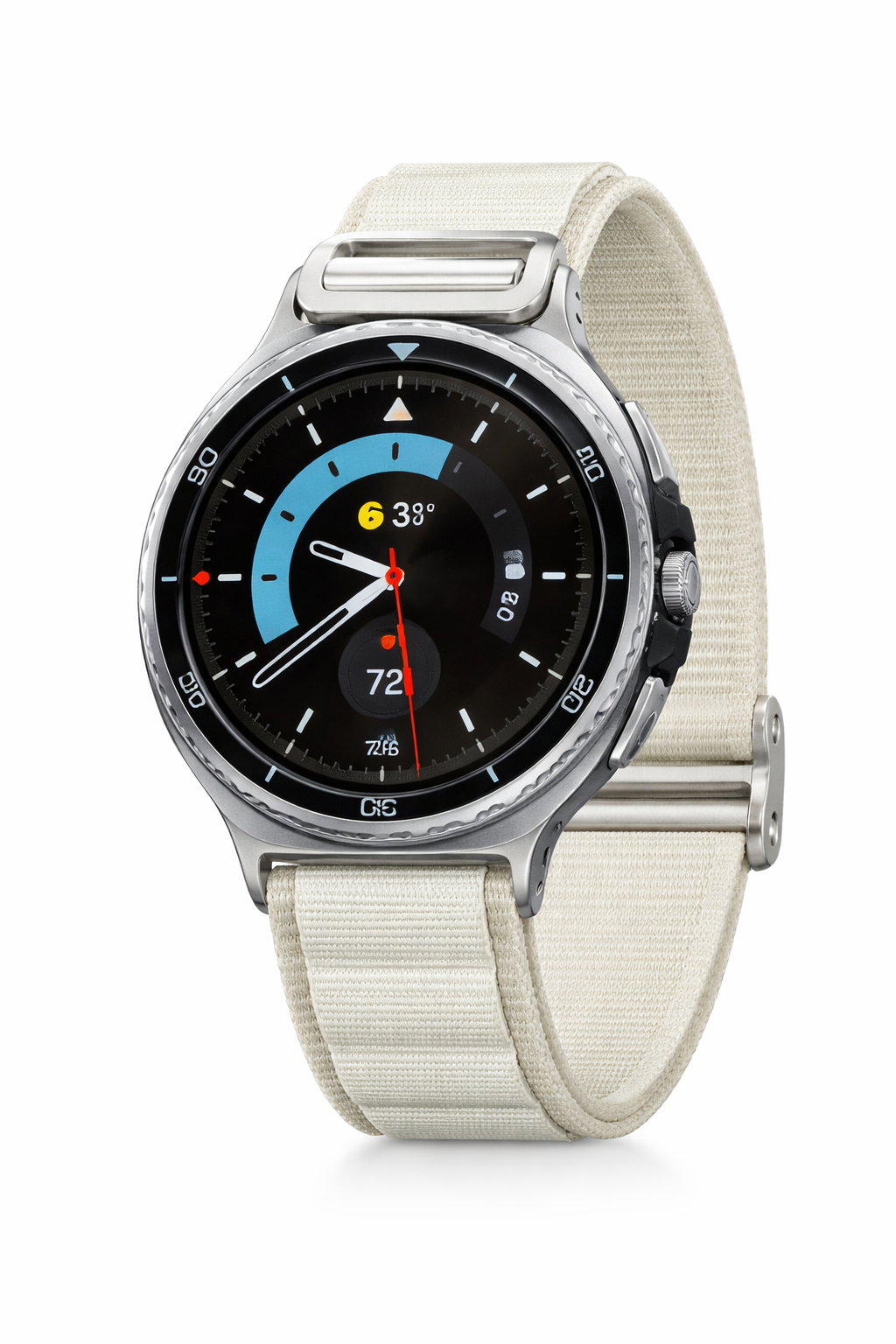
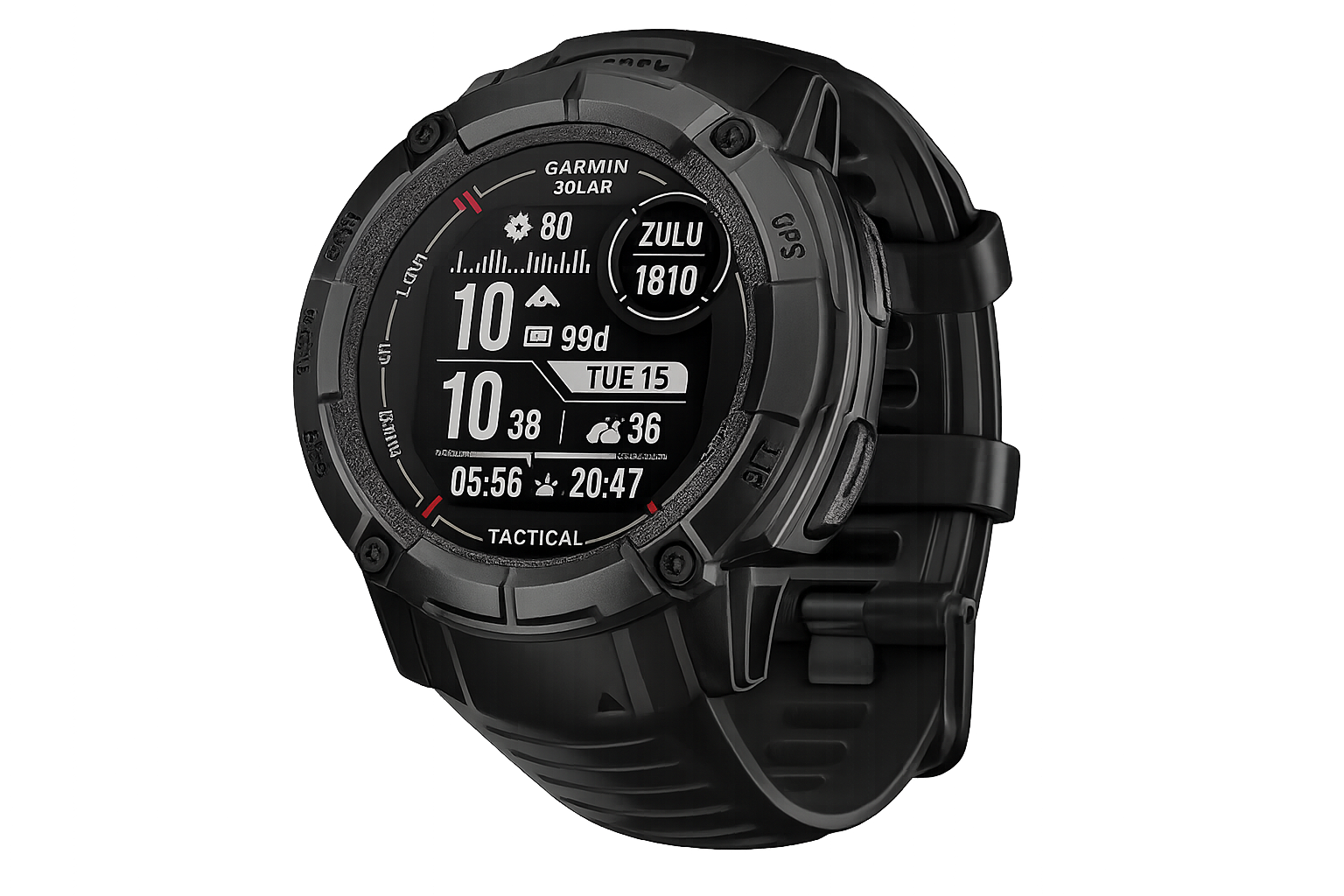
8. Apple Watch Ultra: Built for Extremes (2022)
Designed for adventurers, the Apple Watch Ultra introduced:
- Rugged titanium design
- Larger, brighter display
- Extended battery life
- Action Button for customization
It quickly became a favorite among outdoor enthusiasts and professionals.
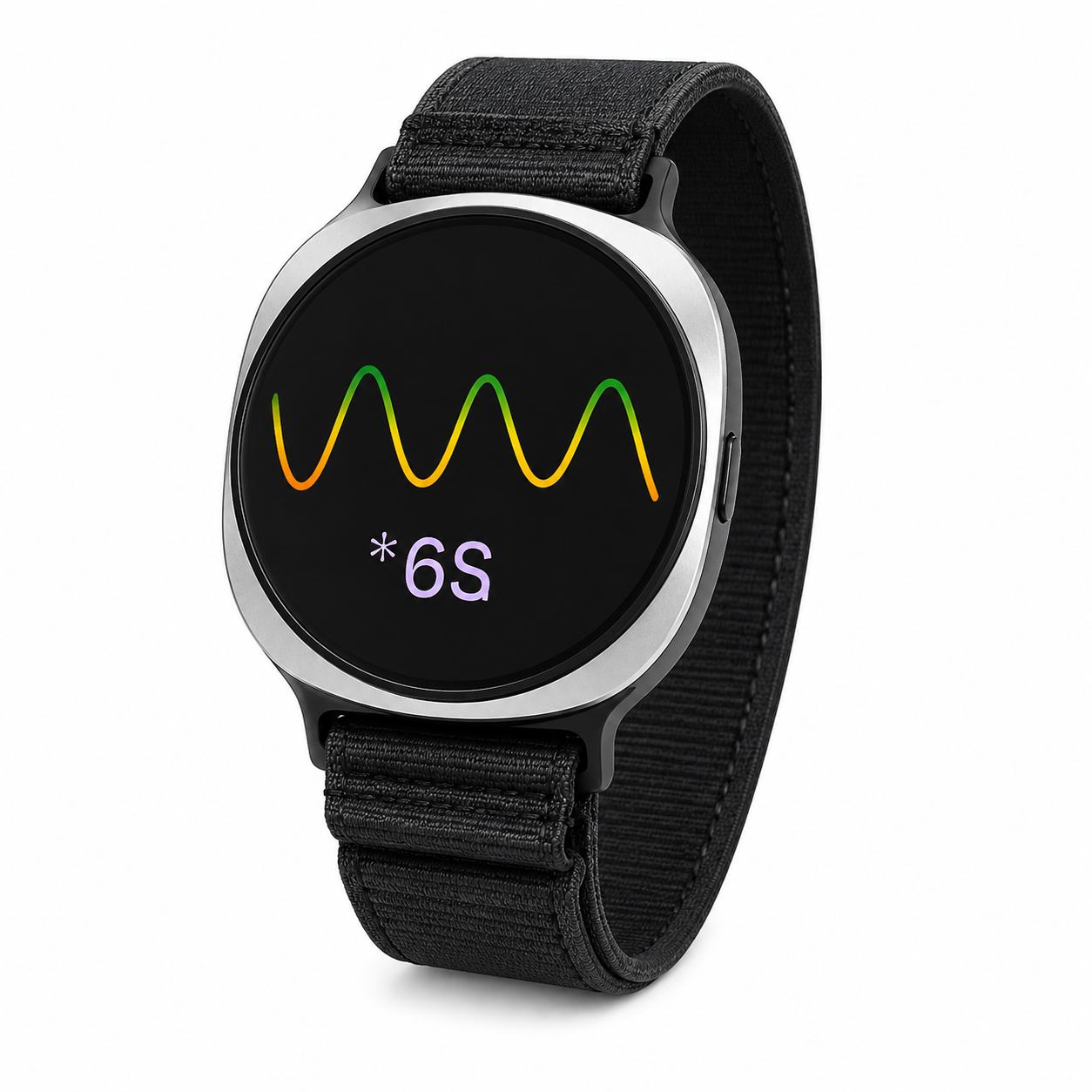
9. Sleep Apnea Detection: Advanced Sleep Health (2024)
Apple expanded its health ecosystem by introducing sleep apnea detection in newer models.
By analyzing sleep patterns over time, the watch can alert users to potential signs of this serious condition.
10. Hypertension Alerts & Satellite SOS (2025–2026)
Recent Apple Watch models, including Ultra 3, now offer cutting-edge features like:
Hypertension Monitoring
- Uses heart rate data and algorithms
- Detects potential signs of high blood pressure
Satellite Emergency SOS
- Send messages without cellular coverage
- Share location in remote areas
These features highlight Apple’s push toward preventive healthcare and global connectivity.
Why Apple Watch Continues to Lead the Wearable Market
Over the years, the Apple Watch has evolved from a simple accessory into a comprehensive health, safety, and communication device.
Key Reasons for Its Success:
- Continuous innovation in health tech
- Seamless ecosystem integration
- User-friendly design and features
- Focus on real-world safety solutions
Final Thoughts
The journey of the Apple Watch reflects a broader shift in technology—from convenience to life-enhancing and life-saving innovation. With features like ECG monitoring, fall detection, and hypertension alerts, it’s no longer just a smartwatch—it’s a personal health guardian.
As wearable technology continues to evolve, the Apple Watch remains at the forefront, setting new standards for what a device on your wrist can truly achieve.