Best Time, Viewing Tips & How to Watch Shooting Stars
Don’t Miss Tonight’s Sky Show
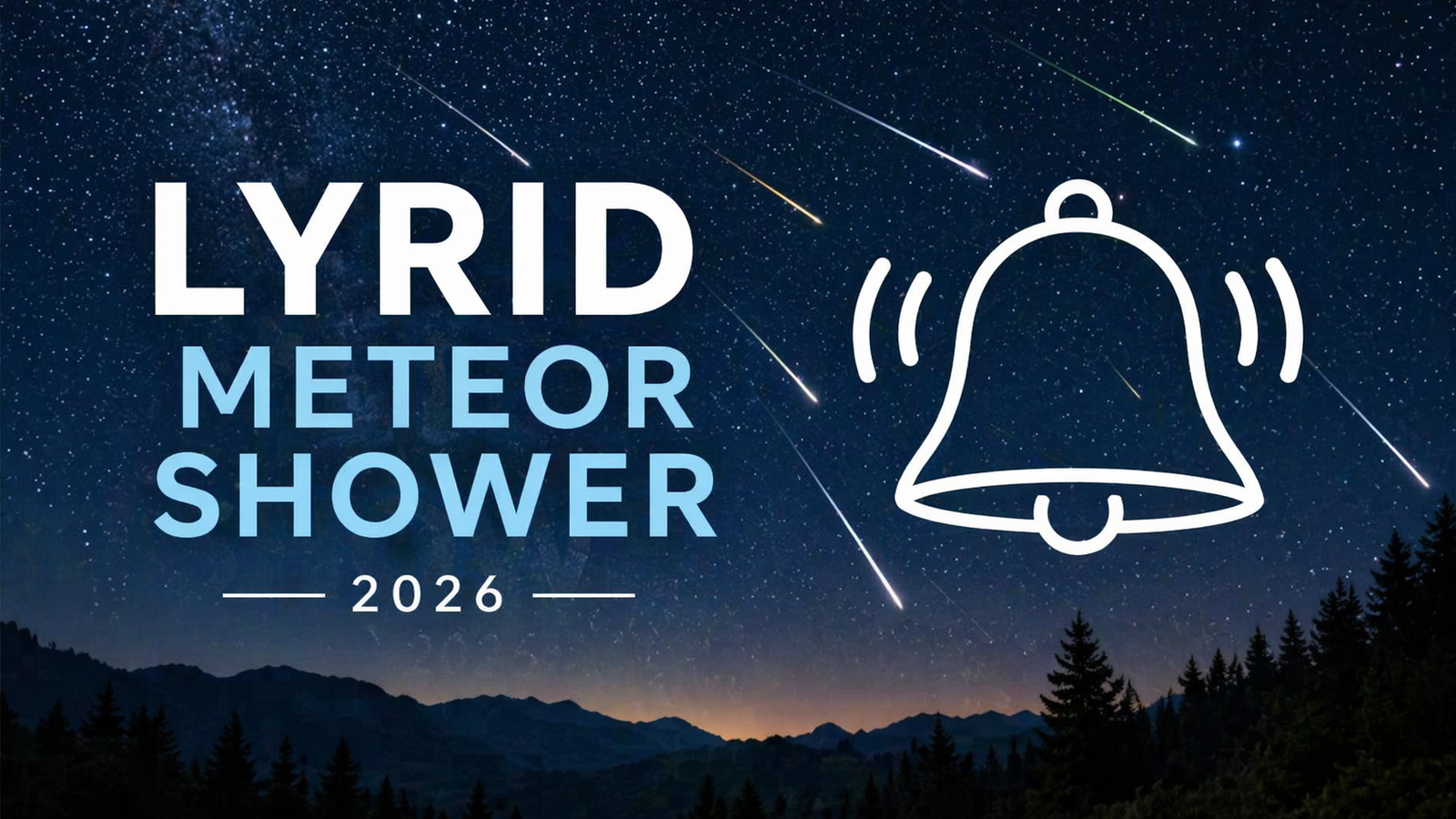
Prepare, skywatchers! Tonight is the climax of the magnificent Lyrid meteor shower, which will provide a stunning display of shooting stars over the night sky. This is the ideal stargazing chance for 2026 if you’ve been waiting for one.
You may see up to 20 meteors per hour during peak hours on April 22 in the early morning, and you may also be able to see spectacular fireballs illuminating the sky.
Best Time to Watch the Lyrids
Timing is everything when it comes to meteor showers.
Ideal Viewing Window:
- Date: Night of April 21 into early April 22
- Best Time: Just before dawn
- Moon Conditions: Moon sets around midnight, leaving darker skies
With minimal moonlight interference, this year offers especially favorable conditions for clear viewing.
Where to Look in the Sky
The meteors appear to originate from the constellation Lyra, specifically near the bright star Vega.
Viewing Tips:
- Look toward the northeast as Lyra rises
- Avoid staring directly at the radiant point
- Instead, focus on darker areas of the sky for longer, more dramatic meteor streaks
As the night progresses, Lyra climbs higher, improving your chances of seeing more meteors.
What Causes the Lyrid Meteor Shower?
Every shooting star you see during the Lyrids is actually a tiny fragment of Comet Thatcher burning up in Earth’s atmosphere.
This comet last passed near Earth in 1861, leaving behind a trail of debris. Each year, as Earth travels through this cosmic dust, we experience the Lyrid meteor shower.
How to Capture the Meteor Shower
Want to photograph this celestial event? Here are a few quick tips:
- Use a tripod to keep your camera steady
- Choose a wide-angle lens
- Set a long exposure time (10–30 seconds)
- Shoot in a dark location away from city lights
Even smartphones with night modes can capture faint meteors if used properly.
Can’t Watch in Person?
If weather or location limits your view, don’t worry. Many observatories and platforms offer live night sky streams, allowing you to enjoy the meteor shower from anywhere in the world.
Final Thoughts
The Lyrid meteor shower is one of the oldest recorded meteor events, and every year it continues to amaze sky lovers around the globe. With perfect viewing conditions in 2026, tonight is your best chance to witness this natural wonder.
So grab a blanket, find a dark spot, and look up—you might just catch a shooting star streaking across the sky.