New Rules Could Reshape Artificial Intelligence Industry
White House Plans New AI Regulations Before Public Release
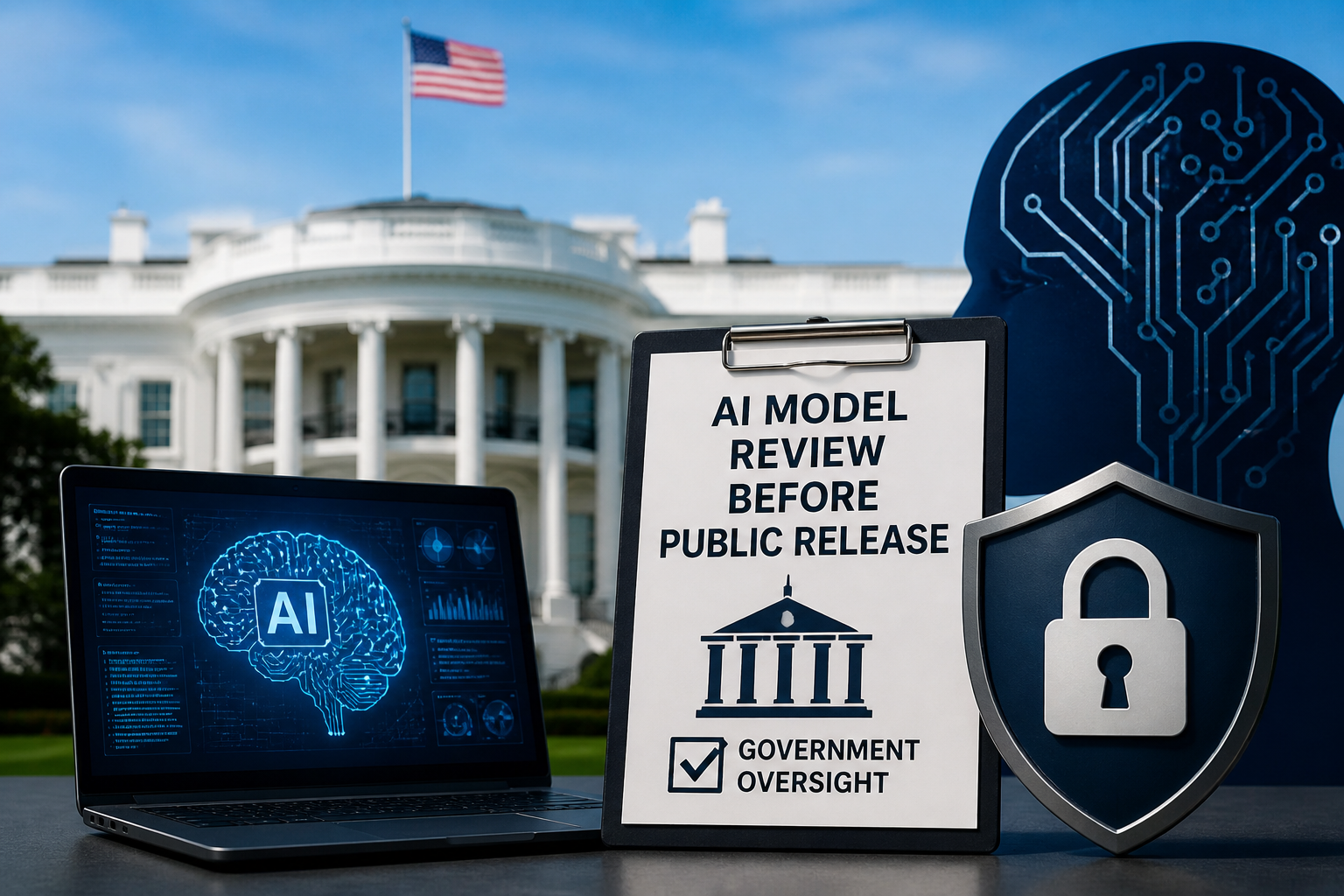
The future of artificial intelligence regulation in the United States could be heading toward a major shift. Recent reports suggest that the White House, under Donald Trump, is considering reviewing advanced AI models before they are made available to the public.
This potential move marks a significant change in approach, especially as AI technology continues to evolve rapidly. For those searching AI regulation 2026, government control over AI, and AI policy United States, this development could reshape how artificial intelligence is developed and deployed worldwide.
A Major Shift in Trump’s AI Strategy
Previously, Donald Trump advocated for minimal restrictions on artificial intelligence, emphasizing innovation and growth. He famously supported allowing AI to “thrive” without excessive interference.
However, recent tensions between the U.S. government and Anthropic appear to have influenced a change in stance. Now, the administration is reportedly exploring stricter oversight measures to ensure safety and national security.
This shift has sparked discussions among experts and users searching AI safety concerns, AI governance policies, and future of AI regulation.
AI Advisory Panel Includes Tech Industry Leaders
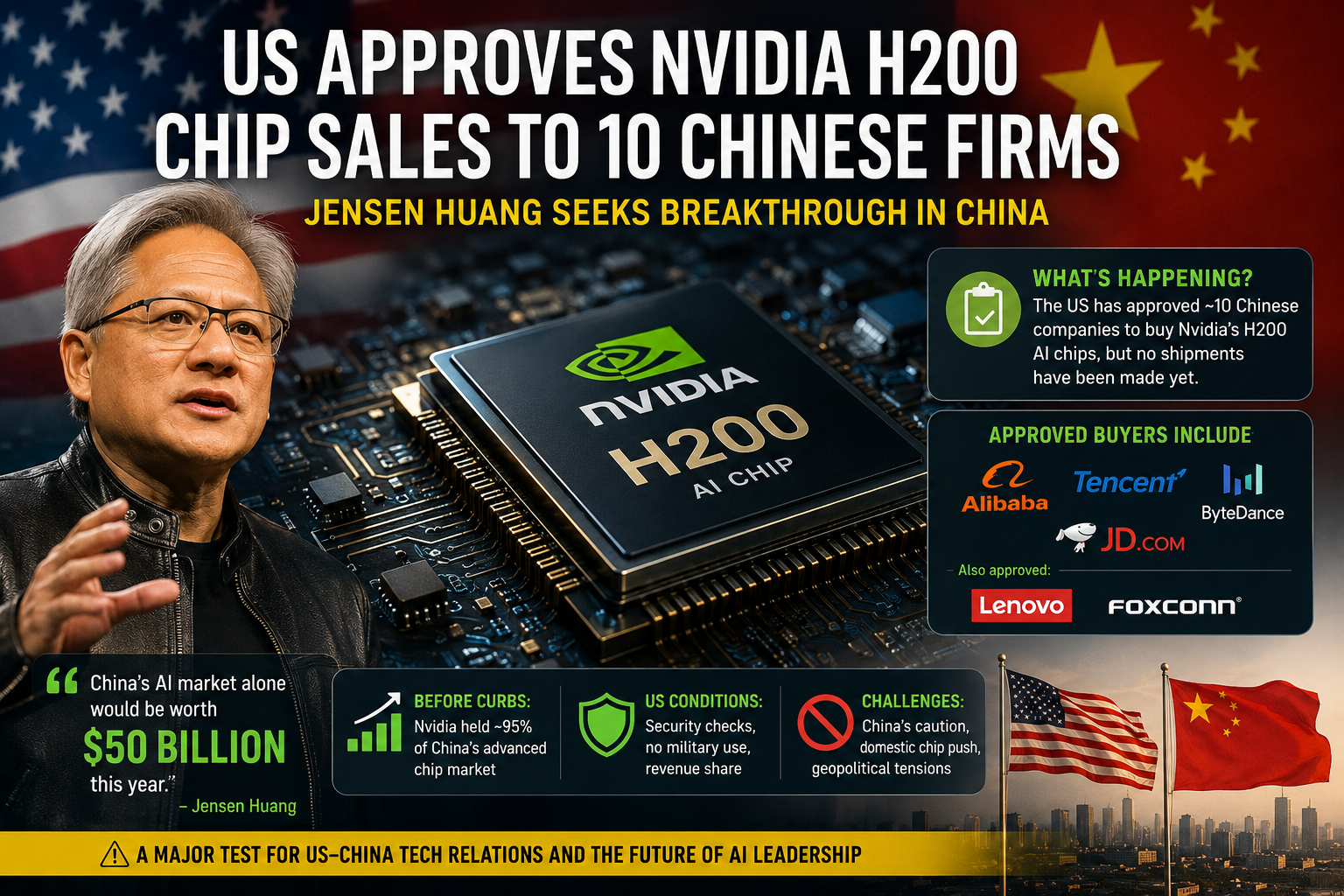
In a surprising move earlier this year, Trump appointed a high-profile AI advisory panel consisting of leading figures from the technology sector. Members reportedly include Mark Zuckerberg, Larry Ellison, Jensen Huang, and Michael Dell.
This panel is tasked with advising on science, technology, and innovation policy, signaling the government’s intent to collaborate with major tech leaders.
For users searching AI advisory board US, tech leaders AI policy, and government AI partnerships, this initiative highlights the growing importance of public-private cooperation in shaping AI’s future.
Why the Government Wants to Review AI Models
One of the main reasons behind this potential regulation is the increasing concern over AI security risks and cyber threats. Advanced AI systems are becoming more powerful, raising fears about misuse, including cyberattacks and data breaches.
The White House is reportedly worried about AI-enabled cyber threats that could impact national security. This has led to discussions about reviewing AI models before public release to prevent potential risks.
Search queries like AI cybersecurity threats, AI risks and dangers, and AI safety measures 2026 reflect growing global concerns about the technology’s impact.
Anthropic Dispute Plays a Key Role
The evolving relationship between the U.S. government and Anthropic has been a major factor in shaping current AI policy discussions. The company reportedly declined a request to provide unrestricted access to its AI systems, leading to tensions with defense officials.
Following this, Defense Secretary Pete Hegseth considered labeling Anthropic as a supply chain risk to national security. The dispute escalated into a legal battle, with Anthropic challenging the decision in court.
This situation has intensified debates around AI ethics, government oversight of tech companies, and AI security laws.
Claude Mythos – A Powerful but Risky AI Model
Anthropic has also been working on a highly advanced AI system known as Claude Mythos. According to reports, this model is capable of identifying vulnerabilities across major operating systems and web browsers.
While this capability could be beneficial for cybersecurity, it also raises concerns about potential misuse. The company itself has reportedly warned that the model may be too dangerous for public release.
This has fueled searches for dangerous AI models, AI hacking risks, and advanced AI capabilities, as users try to understand the implications of such powerful tools.
Pentagon Expands AI Integration with Major Tech Companies
At the same time, the U.S. Department of Defense is rapidly integrating artificial intelligence into its operations. The Pentagon has signed agreements with leading companies such as OpenAI, Microsoft, Amazon, Alphabet, Nvidia, SpaceX, and Reflection AI.
These partnerships aim to enhance data analysis, improve situational awareness, and support decision-making in complex environments.
For readers searching AI in military, Pentagon AI projects, and defense technology AI, this marks a significant step in the adoption of AI for national security purposes.
Balancing Innovation and Regulation in AI Development
The challenge facing policymakers is finding the right balance between encouraging innovation and ensuring safety. Too much regulation could slow down technological progress, while too little oversight could lead to serious risks.
Trump himself has previously stated that any AI regulations must be “smarter than the technology itself,” highlighting the complexity of governing such a rapidly evolving field.
Search trends like AI innovation vs regulation, AI policy debate, and future of artificial intelligence reflect this ongoing global discussion.
What This Means for the Future of AI
If the White House moves forward with reviewing AI models before release, it could set a global precedent for how artificial intelligence is regulated. Other countries may follow similar approaches, leading to a more standardized framework for AI governance.
This could impact everything from tech startups to major corporations, influencing how AI products are developed, tested, and launched.
For users searching future of AI regulation, global AI laws, and AI industry trends 2026, this development is a crucial turning point.
Final Thoughts – A New Era of AI Oversight Begins
The possibility of government oversight over AI models before public release represents a major shift in how artificial intelligence is managed in the United States. What started as a largely unregulated space may soon become more structured and controlled.
While this could improve safety and security, it also raises important questions about innovation, privacy, and the role of government in technology.
As AI continues to shape industries and everyday life, the decisions made today will define the future of this transformative technology. For anyone following AI news, tech regulation updates, and artificial intelligence trends, this story is one to watch closely.