NASA Perseverance Rover Sends Stunning New Selfie From Mars Surface Near Jezero Crater
NASA Reveals New Mars Selfie Captured by Perseverance Rover
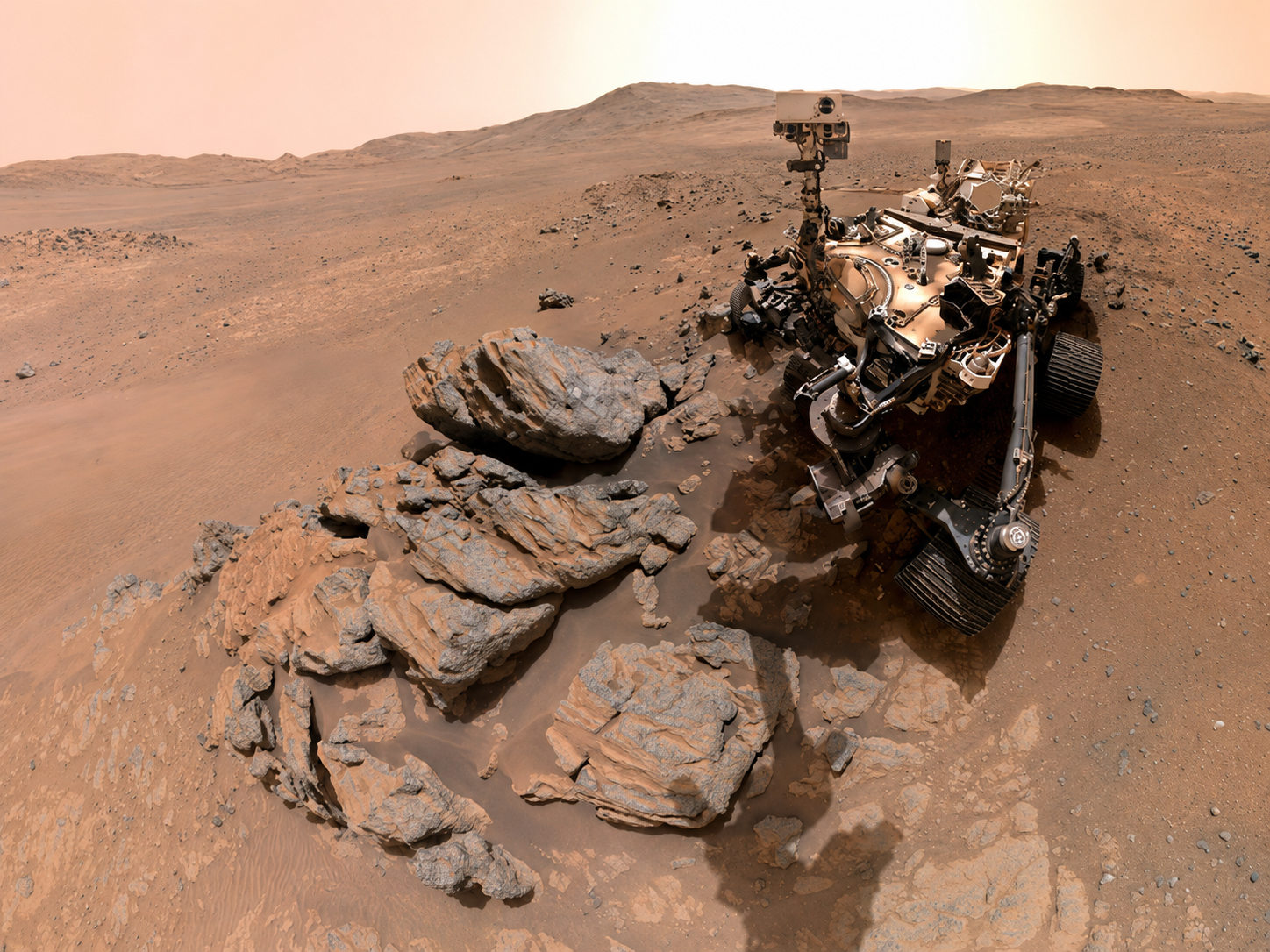
NASA has once again amazed space enthusiasts around the world after releasing a breathtaking new self-portrait captured by the Perseverance Rover on the surface of Mars. The stunning image, taken during the rover’s latest scientific exploration mission, offers a dramatic panoramic view of the Red Planet and highlights the incredible technological achievements behind NASA’s ongoing Mars exploration program.
The new Mars selfie was officially released this week and quickly gained attention across the global space community. Featuring the rocky Martian landscape, dusty terrain, and the distant rim of Jezero Crater, the image provides another fascinating glimpse into one of the most ambitious robotic missions ever conducted in space exploration history.
For millions of people searching for updates about NASA Mars missions, Perseverance rover discoveries, and the latest Mars images, this new self-portrait represents another milestone in humanity’s journey to better understand the mysterious Red Planet.
Perseverance Rover Captures Stunning Mars Self-Portrait at “Lac de Charmes”
According to NASA scientists, the selfie was captured at a scientifically important location known as “Lac de Charmes,” an area that researchers consider one of the most fascinating regions explored by the rover so far.
The high-resolution Mars image was not created using a single photo. Instead, NASA explained that the final selfie is actually a composite image built from 61 separate photographs carefully stitched together to create a seamless panoramic portrait.
The image shows the Perseverance rover positioned beside a rocky outcrop after performing an abrasion process on the surface of a Martian rock. In the background, viewers can see the massive western rim of Jezero Crater stretching across the distant horizon, creating a spectacular visual scene from another planet.
NASA’s latest Mars rover selfie highlights both the beauty of the Martian environment and the advanced engineering behind robotic space exploration technology.
How NASA’s Perseverance Rover Created the Mars Selfie
The selfie was captured using the rover’s sophisticated WATSON camera system, officially known as the Wide Angle Topographic Sensor for Operations and eNgineering. The advanced camera is mounted at the end of Perseverance’s robotic arm and is specifically designed for close-up scientific imaging and engineering analysis.
To create the image, the robotic arm performed more than 60 highly precise movements over approximately one hour. During the process, the camera captured dozens of individual images from different angles, which NASA engineers later combined into one detailed composite photograph.
The process of creating Mars rover selfies is far more complicated than taking a regular smartphone photo on Earth. Every movement must be carefully calculated because of the harsh Martian environment, communication delays between Earth and Mars, and the need to avoid damaging sensitive scientific instruments.
NASA stated that the latest selfie demonstrates the extraordinary precision and reliability of the Perseverance rover as it continues its groundbreaking mission millions of miles away from Earth.
Mars Rover Conducts Important Rock Analysis on the Red Planet
One of the most important aspects of the new selfie is the visible abrasion patch located on the rocky outcrop in front of the rover. NASA explained that Perseverance created this circular patch by grinding away part of the rock’s surface to expose fresh material underneath.
This scientific process allows researchers to study the internal composition of Martian rocks and search for clues about Mars’ ancient environment. Scientists hope these rock samples may contain evidence of past microbial life or signs that Mars once had conditions suitable for supporting life billions of years ago.
The Perseverance rover is equipped with some of the most advanced scientific instruments ever sent to another planet. These tools help NASA scientists analyze minerals, chemical compositions, textures, and possible biosignatures hidden within Martian rocks and soil.
As interest in the search for extraterrestrial life continues to grow, every new discovery made by Perseverance attracts enormous attention from scientists, astronomers, and space enthusiasts worldwide.
Perseverance Rover Nears 1,800 Days on Mars
NASA’s Perseverance rover officially landed on Mars on February 18, 2021, after traveling millions of miles through space aboard a historic interplanetary mission. Since then, the robotic explorer has spent nearly 1,800 Martian days — commonly called sols — conducting research across the Jezero Crater region.
The rover has now captured six official selfies during its mission, each documenting different stages of its exploration journey across the Red Planet. These images not only provide stunning visuals for the public but also help engineers inspect the condition of the rover and its equipment.
Over the past several years, Perseverance has collected rock samples, analyzed ancient terrain, studied Martian weather conditions, and tested new technologies that could eventually support future human missions to Mars.
The rover’s success continues to strengthen NASA’s position as a global leader in robotic space exploration and planetary science research.
Jezero Crater Remains a Major Focus of NASA’s Mars Mission
The latest selfie was captured during Perseverance’s continued exploration of the Jezero Crater, a massive impact basin believed to have once contained an ancient lake and river delta billions of years ago.
Scientists selected Jezero Crater as the landing site for the Perseverance mission because of its strong potential to preserve ancient signs of microbial life. Researchers believe the crater’s sedimentary rocks may hold critical evidence about the planet’s early climate and geological history.
NASA says Perseverance is currently participating in its fifth major science campaign, known as the Northern Rim Campaign. The Lac de Charmes region explored during this campaign is considered one of the most scientifically valuable locations visited by the rover so far.
Every new sample and image collected from Jezero Crater helps scientists build a clearer understanding of how Mars evolved over time and whether life may have once existed there.
Why NASA’s Perseverance Mission Is Important for Future Mars Exploration
The Perseverance rover mission plays a crucial role in preparing for future human exploration of Mars. In addition to scientific discoveries, the rover is testing advanced technologies that could support astronauts on future missions.
One of the mission’s biggest achievements includes collecting carefully sealed rock samples that may eventually be returned to Earth through future Mars Sample Return missions. Scientists hope these samples will provide unprecedented insights into Mars’ geological history and possible signs of ancient life.
The mission also successfully demonstrated experimental technologies like the Ingenuity Mars Helicopter, which became the first aircraft to achieve powered flight on another planet.
These technological milestones are helping NASA develop the systems needed for long-term human exploration of deep space and potentially crewed missions to Mars in the future.
Public Fascination With Mars Continues to Grow Worldwide
NASA’s latest Perseverance selfie has once again sparked excitement across social media platforms, astronomy communities, and science websites around the world. Interest in Mars exploration continues to rise as space agencies and private companies invest heavily in future missions to the Red Planet.
Images captured directly from Mars allow people on Earth to feel more connected to humanity’s exploration efforts beyond our planet. Stunning rover photographs, scientific discoveries, and technological achievements continue inspiring millions of students, researchers, and future astronauts globally.
As the Perseverance rover continues exploring Jezero Crater, scientists hope future discoveries could answer one of humanity’s greatest questions: Did life ever exist on Mars?
Final Thoughts on NASA’s New Perseverance Mars Selfie
NASA’s newly released Perseverance rover selfie is more than just a beautiful image from space. It represents years of scientific innovation, engineering excellence, and humanity’s endless curiosity about the universe.
From the rugged Martian rocks of Lac de Charmes to the distant horizon of Jezero Crater, the latest Mars self-portrait reminds the world how far space exploration has advanced — and how much more there is still to discover. With the Perseverance rover continuing its historic mission across the Red Planet, space enthusiasts can expect even more breathtaking images, groundbreaking discoveries, and exciting updates from Mars in the years ahead.