NASA’s Boldest Moon Mission Yet — Meet the Crew Leading Humanity’s Next Giant Leap
NASA Reveals Artemis III Mission Details, Astronaut Crew, and the Road to a Permanent Lunar Future
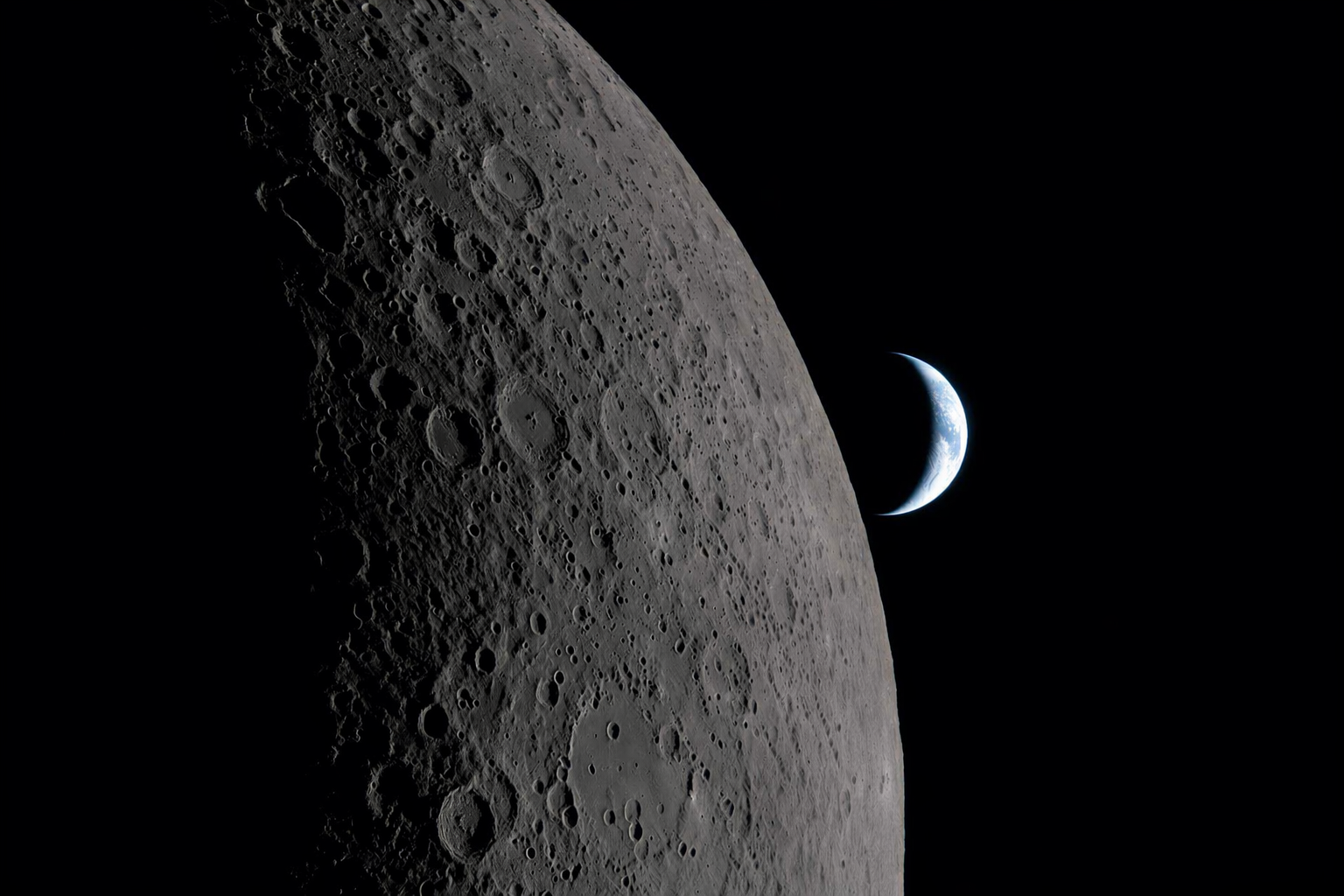
The race to return humans to deep space has entered an exciting new phase. NASA has officially unveiled fresh details about Artemis III, one of the most ambitious spaceflight missions of the 21st century. Scheduled for launch in 2027, the mission represents far more than another trip to orbit—it is a crucial stepping stone toward establishing a long-term human presence on the Moon and eventually sending astronauts to Mars.
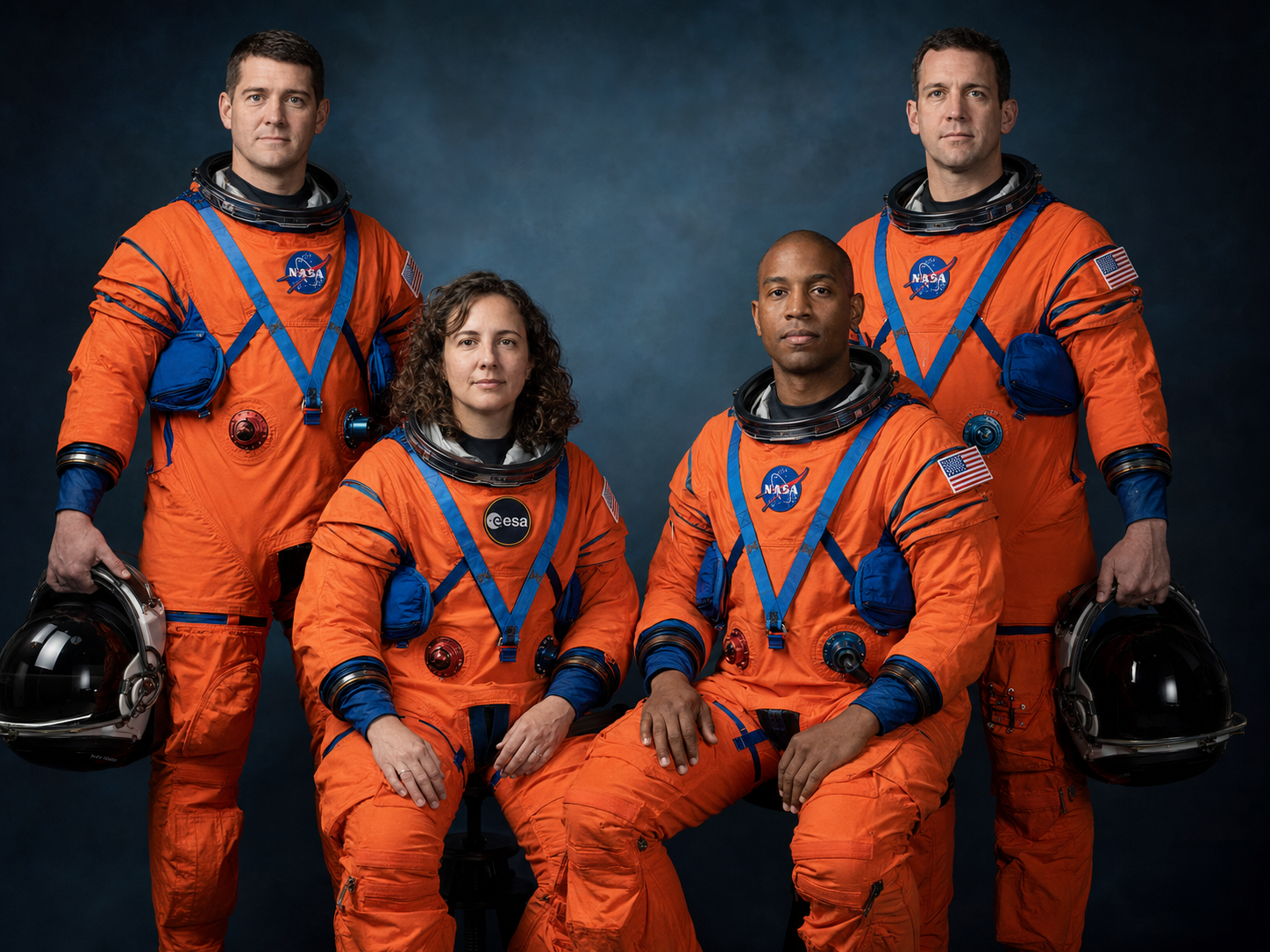
Alongside the mission announcement, NASA introduced the four astronauts selected to fly Artemis III and outlined an unprecedented series of orbital tests involving spacecraft developed by Blue Origin and SpaceX. These tests are expected to play a critical role in preparing for Artemis IV, which aims to land astronauts near the Moon’s South Pole in 2028.
As humanity stands on the edge of a new era of exploration, Artemis III is shaping up to be one of the most technologically complex and strategically important missions ever attempted.
What Is Artemis III?
Artemis III is part of NASA’s Artemis program, a multi-mission initiative designed to return humans to the Moon for the first time since the Apollo era while building the foundation for future Mars exploration.
Unlike previous Artemis missions, Artemis III will focus heavily on testing the systems, technologies, and operational procedures needed for sustained lunar exploration. Instead of traveling directly to the Moon, the mission will conduct a series of sophisticated orbital demonstrations in low Earth orbit.
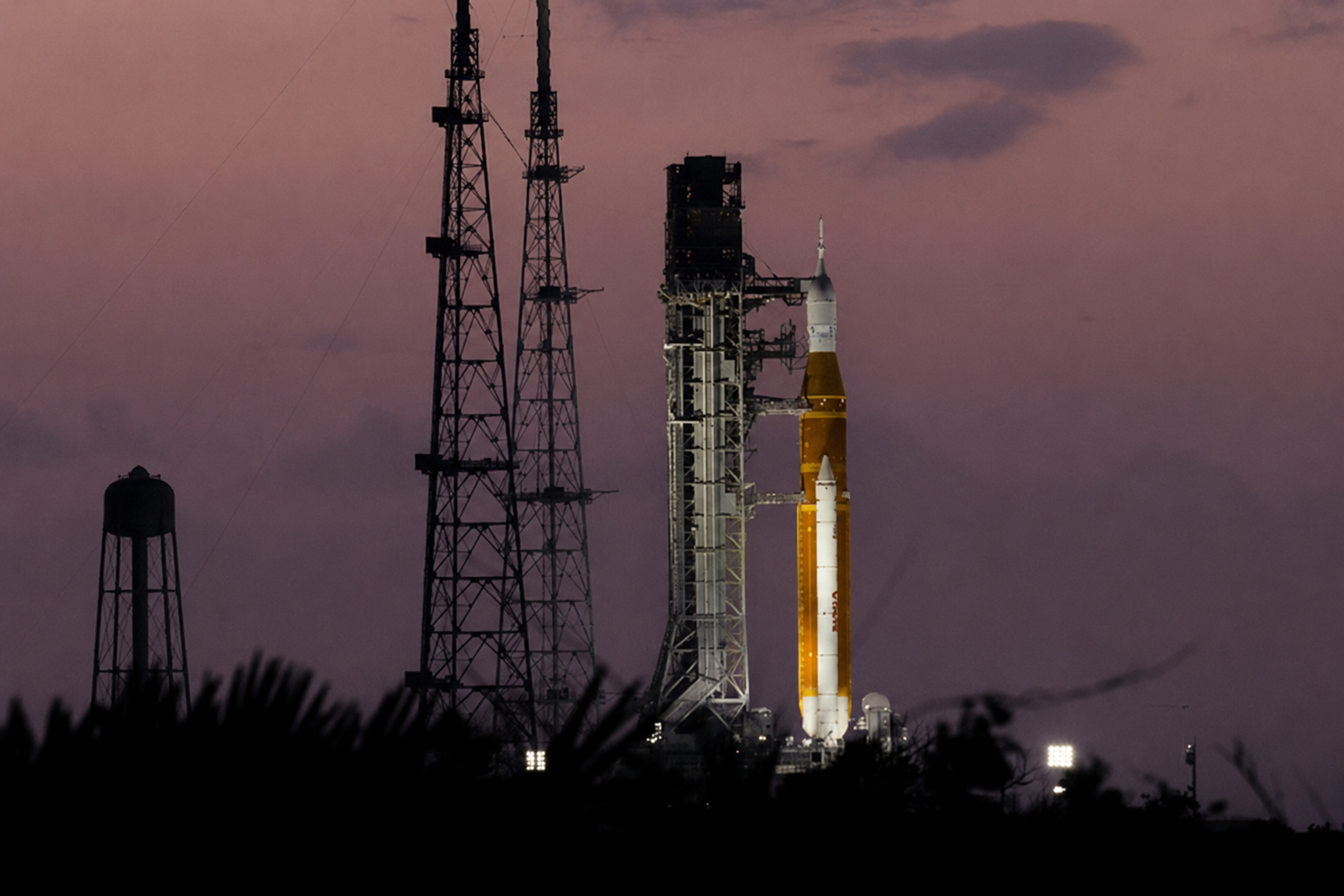
The mission will launch aboard NASA’s powerful Space Launch System (SLS) rocket from Kennedy Space Center in Florida. Once in orbit, the Orion spacecraft will perform critical rendezvous and docking operations with prototype lunar landers being developed by Blue Origin and SpaceX.
These demonstrations will validate key technologies including:
- Autonomous docking systems
- Spacecraft communications networks
- Navigation software
- Propulsion technologies
- Crew transfer procedures
- Integrated mission operations
The success of these tests could determine the readiness of future lunar landing missions.
Meet the Artemis III Astronaut Crew
NASA selected a highly experienced and diverse team of astronauts for the mission.
Randy Bresnik – Mission Commander
Veteran astronaut Randy Bresnik will command Artemis III. A retired U.S. Marine colonel, Bresnik has accumulated over 7,000 flight hours across 95 aircraft types and has already completed two space missions.
His extensive operational experience makes him an ideal leader for one of the most challenging missions in NASA’s modern history.
Luca Parmitano – Pilot
European Space Agency astronaut Luca Parmitano will serve as pilot, marking a historic milestone as the first ESA astronaut assigned to an Artemis mission.
Parmitano previously commanded the International Space Station and brings significant expertise in high-pressure flight operations. His selection also highlights the growing international collaboration behind lunar exploration.
Frank Rubio – Mission Specialist
Frank Rubio gained worldwide attention after completing a record-breaking 371-day mission in space, the longest single spaceflight ever performed by an American astronaut.
His experience with long-duration missions provides valuable insight into future deep-space exploration objectives.
Andre Douglas – Mission Specialist
Artemis III will be Andre Douglas’s first journey into space. Despite being a rookie astronaut, Douglas brings exceptional technical credentials in systems engineering, autonomous technologies, and advanced space systems.
His expertise could prove invaluable as NASA integrates increasingly sophisticated technologies into future lunar missions.
Bob Hines – Backup Astronaut
NASA astronaut Bob Hines has been selected as the backup crew member and will train alongside the primary team throughout mission preparations.
How Artemis III Will Operate
One of the most fascinating aspects of Artemis III is its mission architecture.
Unlike traditional missions involving a single launch vehicle, Artemis III will coordinate multiple launches and spacecraft operations involving some of the most advanced aerospace systems ever built.
The sequence is expected to unfold as follows:
Phase 1: Blue Origin Pathfinder Launch
Blue Origin will first launch a test version of its lunar lander into Earth orbit. This pathfinder spacecraft will remain in orbit while awaiting the arrival of Orion and its crew.
Phase 2: Orion Launch
NASA will launch the Orion spacecraft aboard the SLS rocket carrying the Artemis III crew.
After reaching orbit and completing initial system checks, Orion will rendezvous and dock with the Blue Origin test lander.
Astronauts will conduct approximately two days of testing, inspections, and demonstrations.
Phase 3: SpaceX Starship Demonstrations
Following separation from the Blue Origin vehicle, Orion will await the arrival of SpaceX’s lunar Starship test vehicle.
Once Starship reaches orbit, another docking sequence will begin. Engineers and astronauts will spend roughly one day evaluating spacecraft interactions and mission systems.
Phase 4: Return to Earth
After completing all demonstrations, Orion will return the crew safely to Earth and splash down in the Pacific Ocean for recovery by NASA and the U.S. Navy.
The entire mission is expected to last approximately two weeks.
Why Artemis III Matters More Than Most People Realize
Many people may view Artemis III simply as another space mission, but its importance extends far beyond a single flight.
The mission serves as a large-scale rehearsal for the future of human space exploration.
Several critical goals make Artemis III particularly significant:
Building a Sustainable Lunar Economy
NASA’s collaboration with private companies like Blue Origin and SpaceX signals a major shift in how space exploration is conducted.
Rather than relying solely on government-built systems, NASA is encouraging commercial innovation. This approach could accelerate technological development while reducing long-term costs.
The success of Artemis III may help establish a thriving lunar economy involving transportation, communications, infrastructure, resource extraction, and scientific research.
Strengthening International Partnerships
The inclusion of ESA astronaut Luca Parmitano demonstrates the increasingly global nature of space exploration.
Future lunar missions will likely involve contributions from multiple countries, creating opportunities for shared scientific discovery and technological advancement.
Preparing for Mars
Perhaps the most important long-term objective is Mars.
Every docking procedure, life-support test, communications experiment, and operational challenge addressed during Artemis III contributes to NASA’s broader goal of sending humans to the Red Planet.
In many ways, Artemis III is less about reaching the Moon and more about learning how humanity can safely travel much farther.
Hardware Progress and Mission Readiness
NASA reports steady progress across all major mission components.
Engineers are currently:
- Integrating Orion’s crew and service modules
- Installing Orion’s new docking system
- Conducting advanced heat shield inspections
- Assembling SLS core-stage components
- Preparing RS-25 engine integration
- Completing booster segment installations
- Upgrading launch infrastructure at Kennedy Space Center
Meanwhile, Blue Origin and SpaceX continue developing their respective lunar landing systems under NASA oversight.
The simultaneous advancement of multiple spacecraft programs represents one of the largest coordinated engineering efforts in modern aerospace history.
Predictions: What Artemis III Could Mean for the Future
If Artemis III succeeds, several major developments could follow:
Increased Launch Frequency
NASA may significantly increase mission cadence, allowing more frequent lunar operations and technology demonstrations.
Permanent Lunar Infrastructure
Successful testing could accelerate plans for lunar habitats, research stations, and resource utilization projects.
Expanded Commercial Participation
Private companies could gain larger roles in transportation, logistics, and lunar surface operations.
Faster Progress Toward Mars
Lessons learned from Artemis III may shorten development timelines for future crewed Mars missions.
Visual Content Ideas for This Article
To increase reader engagement and SEO performance, consider adding:
Infographic
“Artemis III Mission Timeline”
Include:
- Blue Origin launch
- Orion launch
- Docking operations
- SpaceX Starship rendezvous
- Earth return
Comparison Chart
Apollo vs Artemis Program
Metrics:
- Technology
- Mission duration
- International participation
- Commercial involvement
- Long-term objectives
Crew Profile Graphic
Show astronaut photos alongside:
- Previous missions
- Flight hours
- Nationality
- Mission role
The Dawn of a New Space Age
Artemis III represents much more than a technical demonstration mission. It is the bridge between the achievements of the Apollo era and humanity’s future among the stars.
By combining government expertise, commercial innovation, and international cooperation, NASA is creating a blueprint for sustainable deep-space exploration. The mission’s success could unlock unprecedented opportunities for science, economic growth, and human discovery.
As the countdown toward 2027 continues, Artemis III stands poised to become one of the defining milestones in modern spaceflight history.
What do you think about NASA’s Artemis III mission? Will private companies like SpaceX and Blue Origin accelerate humanity’s return to the Moon, or do you believe additional challenges lie ahead? Share your thoughts in the comments below and join the discussion about the future of space exploration.