SpaceX Starship V3 Could Transform the Global Space Economy as Elon Musk Eyes the Biggest IPO in History
Elon Musk’s SpaceX and Starship V3 Are Reshaping the Future of Space, Satellite Internet, AI Infrastructure, and Mars Colonization
SpaceX is once again dominating headlines as reports suggest the company may be preparing for what could become the largest IPO in financial history. At the center of this massive excitement is not just Elon Musk’s reputation or the company’s booming satellite internet business, but the development of the next-generation Starship V3 rocket system — a vehicle many analysts believe could fundamentally reshape the future global economy.
The upcoming Starship V3 is far more than a giant rocket. According to investors, economists, and aerospace experts, it represents the technological foundation for SpaceX’s long-term ambitions involving:
- Global satellite internet expansion
- Orbital data centers
- AI infrastructure in space
- Lunar base construction
- Mars colonization
- Space manufacturing
- Deep-space logistics
With a reported private valuation approaching an astonishing $1.7 trillion, SpaceX is no longer being viewed as simply a launch company. Instead, investors increasingly see it as a future infrastructure giant capable of controlling access to Earth orbit and beyond.
As the global space economy accelerates toward a multi-trillion-dollar future, Starship V3 could become one of the most important technological platforms of the 21st century.
What Makes Starship V3 So Revolutionary?
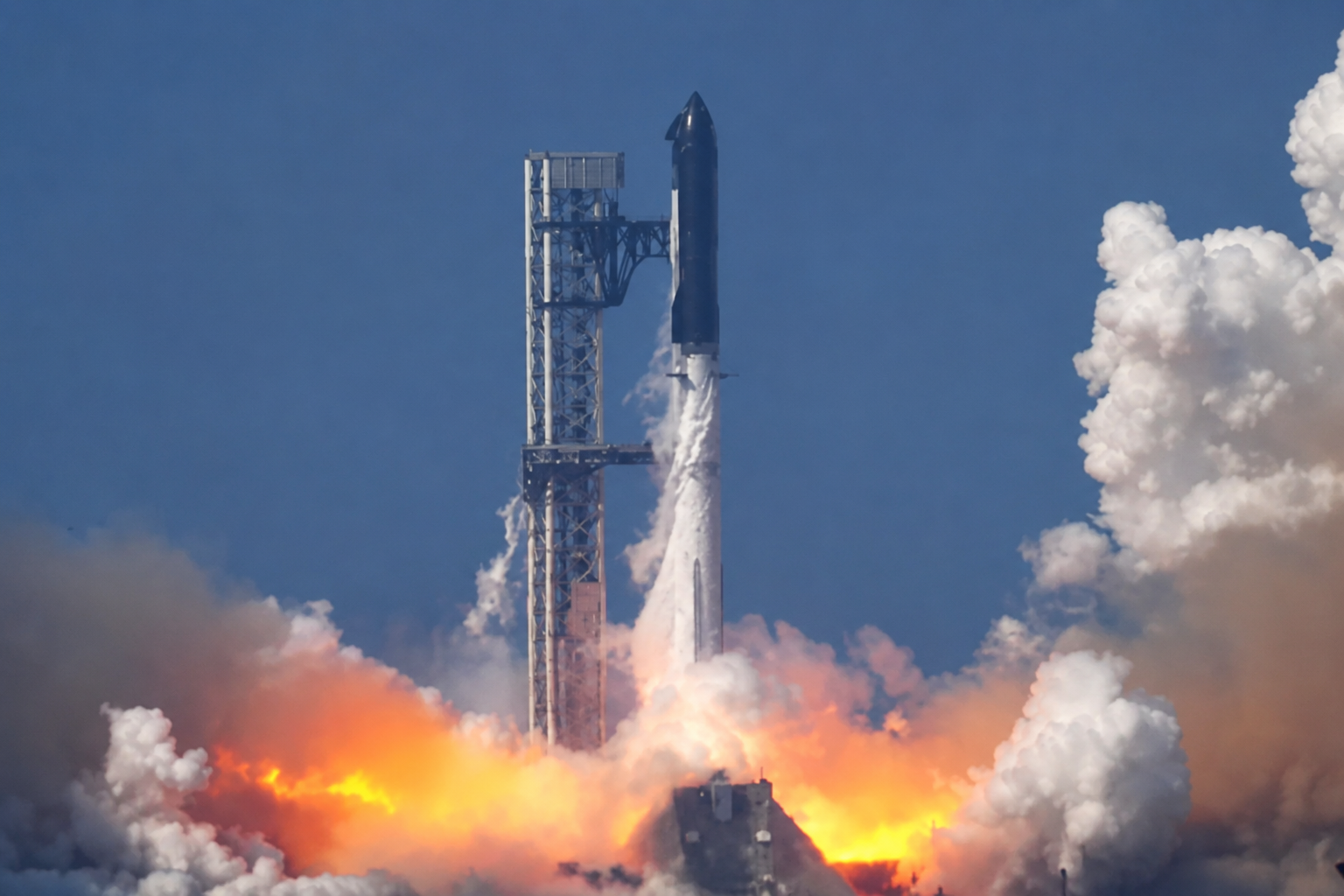
The Starship V3 is the latest evolution of SpaceX’s fully reusable super-heavy launch system.
Standing approximately 408 feet tall, the massive vehicle is larger and more powerful than any previous Starship prototype.
Key Starship V3 Specifications
The next-generation vehicle includes several major upgrades:
- Payload capacity of up to 100 metric tons
- 33 advanced Raptor 3 engines
- Approximately 18 million pounds of thrust at liftoff
- Fully reusable architecture
- Increased orbital transport capability
- Improved fuel efficiency and thermal protection systems
Compared to earlier Starship versions, V3 dramatically expands the scale of what SpaceX can transport into orbit.
This is critically important because future space-based infrastructure projects require moving enormous amounts of hardware beyond Earth.
Why Starship V3 Matters Beyond Rocket Launches
Many casual observers still think of SpaceX primarily as a rocket launch provider competing with traditional aerospace companies.
However, industry analysts argue that SpaceX is evolving into something far larger.
According to early SpaceX investor Chad Anderson, Starship V3 serves as the enabling platform for multiple future industries that may collectively justify the company’s enormous valuation.
Starlink Satellite Internet Expansion
One of the biggest beneficiaries of Starship V3 is Starlink, SpaceX’s rapidly growing satellite internet network.
Currently, SpaceX operates roughly 10,000 satellites in low Earth orbit, but the company reportedly plans to eventually expand that number to approximately 42,000 satellites.
Starship’s huge payload capacity allows SpaceX to launch significantly more next-generation satellites per mission than the existing Falcon 9 rocket system.
This expansion is essential for supporting:
- Global broadband internet
- Mobile phone connectivity
- Rural communications
- Maritime internet
- Aviation connectivity
- Military communications infrastructure
SpaceX ultimately hopes to connect hundreds of millions of users worldwide through its growing orbital network.
Space-Based AI Data Centers Could Become a Reality
Perhaps the most futuristic aspect of SpaceX’s long-term ambitions involves orbital data centers.
As Artificial Intelligence demand grows rapidly worldwide, tech companies are facing mounting concerns over:
- Energy consumption
- Cooling requirements
- Physical infrastructure limitations
- Environmental impact
Some experts believe space-based data centers powered by giant solar arrays could eventually help solve these problems.
Why Orbital Data Centers Are Attractive
Orbital AI infrastructure could potentially offer:
- Unlimited solar energy access
- Reduced Earth-based energy strain
- Advanced cooling opportunities
- Faster global communications
- Reduced carbon footprint
- Dedicated AI processing environments
However, launching massive data center infrastructure into orbit would require enormous transportation capabilities.
This is where Starship V3 becomes essential.
Its upgraded carrying capacity may finally make orbital megastructures economically possible.
SpaceX’s Mars Ambitions Continue Driving Investor Excitement
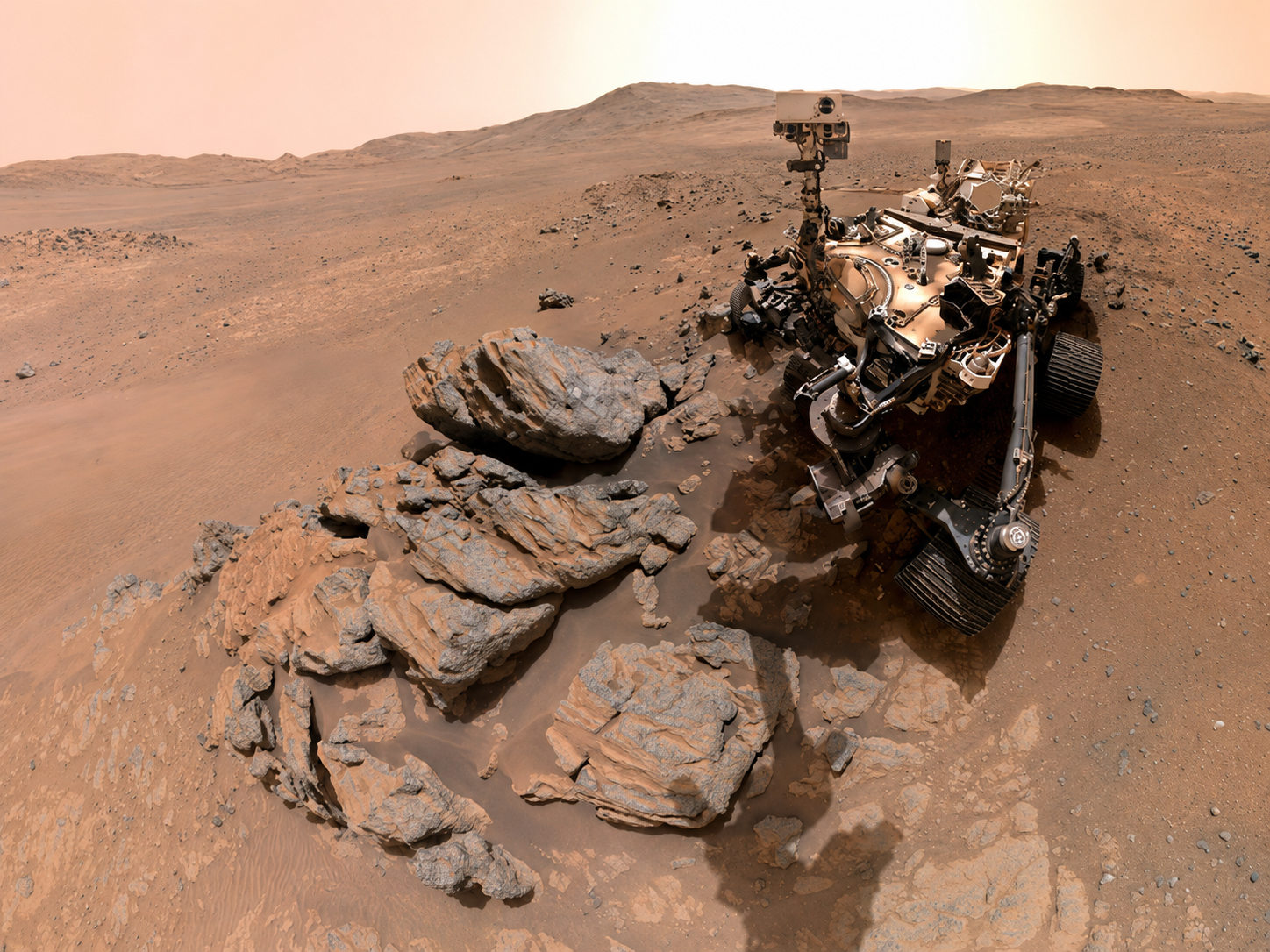
Elon Musk has repeatedly stated that his ultimate goal is making humanity a multi-planetary species.
Starship remains central to those ambitions.
The vehicle is specifically designed for:
- Lunar cargo delivery
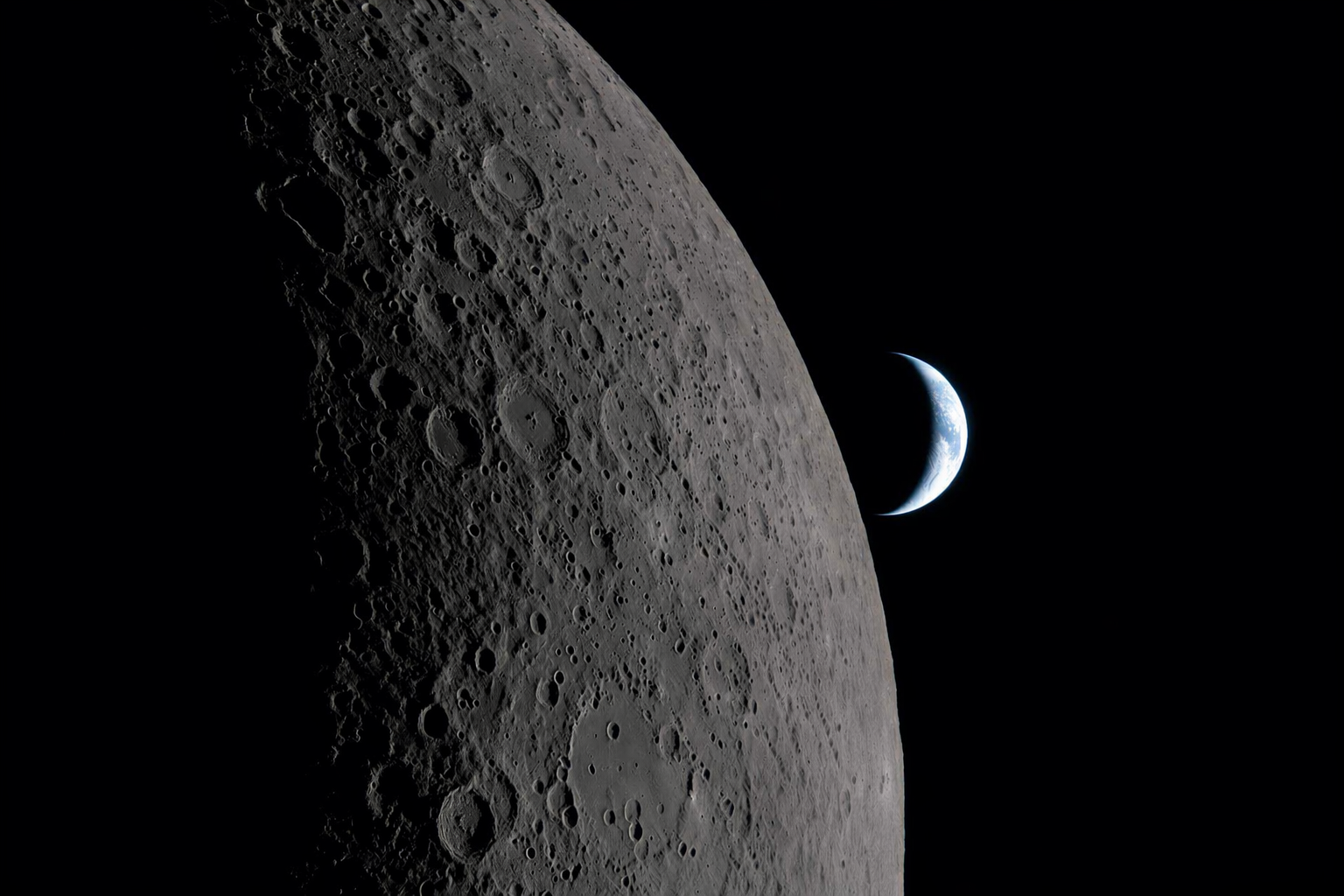
- Moon base construction
- Mars cargo transport
- Human deep-space missions
- Interplanetary colonization
NASA is already working with SpaceX on lunar landing systems for future Artemis missions, further validating Starship’s importance within the broader global space industry.
Mars Colonization and Long-Term Economics
Some investors believe SpaceX’s enormous valuation reflects expectations not only for near-term business growth, but for entirely new future economies.
These include:
- Space mining
- Orbital manufacturing
- Lunar resource extraction
- Mars settlement infrastructure
- Space tourism
- Deep-space logistics networks
In other words, investors may already be pricing in “2040 economics” rather than evaluating SpaceX based solely on current revenues.
Why SpaceX’s IPO Could Be Historic
Although SpaceX remains privately held, growing speculation about a future IPO continues attracting intense attention from investors.
Reports suggest the company’s potential total addressable market could reach as high as $28.5 trillion according to internal projections.
That number approaches the scale of the entire U.S. economy.
Such projections naturally raise skepticism among economists and analysts.
Still, supporters argue that SpaceX operates unlike any traditional aerospace company.
SpaceX Is Building Orbital Infrastructure
Rather than simply launching rockets, SpaceX is increasingly building:
- Global communication networks
- Space transportation systems
- Orbital logistics infrastructure
- Future AI platforms
- Deep-space operational capabilities
Its reusable rocket systems also create a major competitive advantage by dramatically lowering launch costs.
This allows SpaceX to dominate access to orbit while simultaneously enabling entirely new industries.
Economists Question How SpaceX Should Be Valued
Despite excitement surrounding the company, many financial experts admit valuing SpaceX remains extremely difficult.
Traditional valuation methods struggle to measure companies pursuing speculative frontier markets.
Economist Aleksandar Tomic reportedly noted that investors still face major questions regarding:
- Revenue forecasting
- Long-term profitability
- Market size realism
- Technology execution risk
- Elon Musk’s influence on valuation
The challenge is that many of SpaceX’s future businesses remain theoretical today.
Yet history shows that breakthrough infrastructure companies often appear overvalued before transformational industries fully emerge.
Starship Could Trigger a New Space Economy
If Starship V3 succeeds technically and commercially, it could accelerate the creation of a large-scale orbital economy.
Potential future industries enabled by Starship include:
Space Manufacturing
Factories in orbit could eventually produce advanced materials impossible to manufacture efficiently on Earth.
Space Solar Power
Massive orbital solar arrays could beam clean energy back to Earth.
Orbital Tourism
Hotels and entertainment infrastructure in orbit could create entirely new tourism markets.
Lunar Industry
Mining and construction on the Moon may eventually support long-term human settlement.
Planetary Transportation Networks
Reusable interplanetary transport systems could become as important to future civilization as shipping lanes are today.
The Risks SpaceX Still Faces
Despite its enormous momentum, SpaceX also faces substantial risks.
Technical Challenges
Starship remains in active development and still undergoes experimental test flights.
Large-scale fully reusable spacecraft are extraordinarily difficult to engineer safely.
Regulatory Pressure
Global governments continue debating space regulation, satellite congestion, and orbital debris management.
Competition
Rivals including:
- Blue Origin
- China’s space industry
- Rocket Lab
- United Launch Alliance
are also aggressively developing advanced launch systems.
Financial Expectations
Maintaining trillion-dollar growth expectations over decades will require consistent technological success.
Why Starship V3 Could Define the Next Technological Era
Throughout modern history, certain technologies fundamentally reshaped civilization:
- Railroads
- Electricity
- Aviation
- The internet
- Smartphones
Some analysts now believe reusable orbital transportation systems may become the next transformational infrastructure platform.
If SpaceX succeeds, Starship V3 could become the gateway technology enabling humanity’s expansion into space-based economies.
The implications extend far beyond rockets.
Starship may eventually support:
- AI infrastructure
- Global internet access
- Energy systems
- Scientific research
- Human expansion beyond Earth
Final Thoughts
SpaceX’s Starship V3 represents one of the most ambitious engineering projects ever attempted in modern aerospace history. More importantly, it may become the foundation for an entirely new economic era centered around orbital infrastructure, satellite communications, AI-powered data centers, and deep-space exploration.
While major technical and financial uncertainties remain, investors clearly believe SpaceX is building far more than a launch business. The company is positioning itself as a future gateway to orbit — and possibly the backbone of the emerging space economy.
Whether SpaceX ultimately achieves its most ambitious goals or not, one thing is becoming increasingly clear: the future of technology, communications, AI, and even human civilization itself may become deeply connected to what happens beyond Earth’s atmosphere.
What are your thoughts on Starship V3 and SpaceX’s massive long-term ambitions? Could orbital data centers and Mars colonies become reality within our lifetime? Share your opinions in the comments below.