NASA’s Return to the Moon May Soon Be Supported by a Groundbreaking Lunar Mapping Technology
As NASA continues advancing its ambitious Artemis program to return humans to the Moon, scientists in Japan may have developed a technology capable of transforming our understanding of the lunar surface without requiring astronauts to collect samples.
Researchers at Tokyo Metropolitan University (TMU) have unveiled a compact X-ray telescope concept that could create the first complete chemical map of the Moon. If successfully deployed on a lunar satellite, this innovative technology could provide unprecedented insights into the Moon’s geological history, mineral composition, and evolution.
The breakthrough comes at a critical time when global interest in lunar exploration is reaching new heights. Space agencies and private companies worldwide are preparing for a new era of Moon missions, making accurate lunar resource mapping more important than ever.
Why Understanding the Moon’s Chemistry Matters
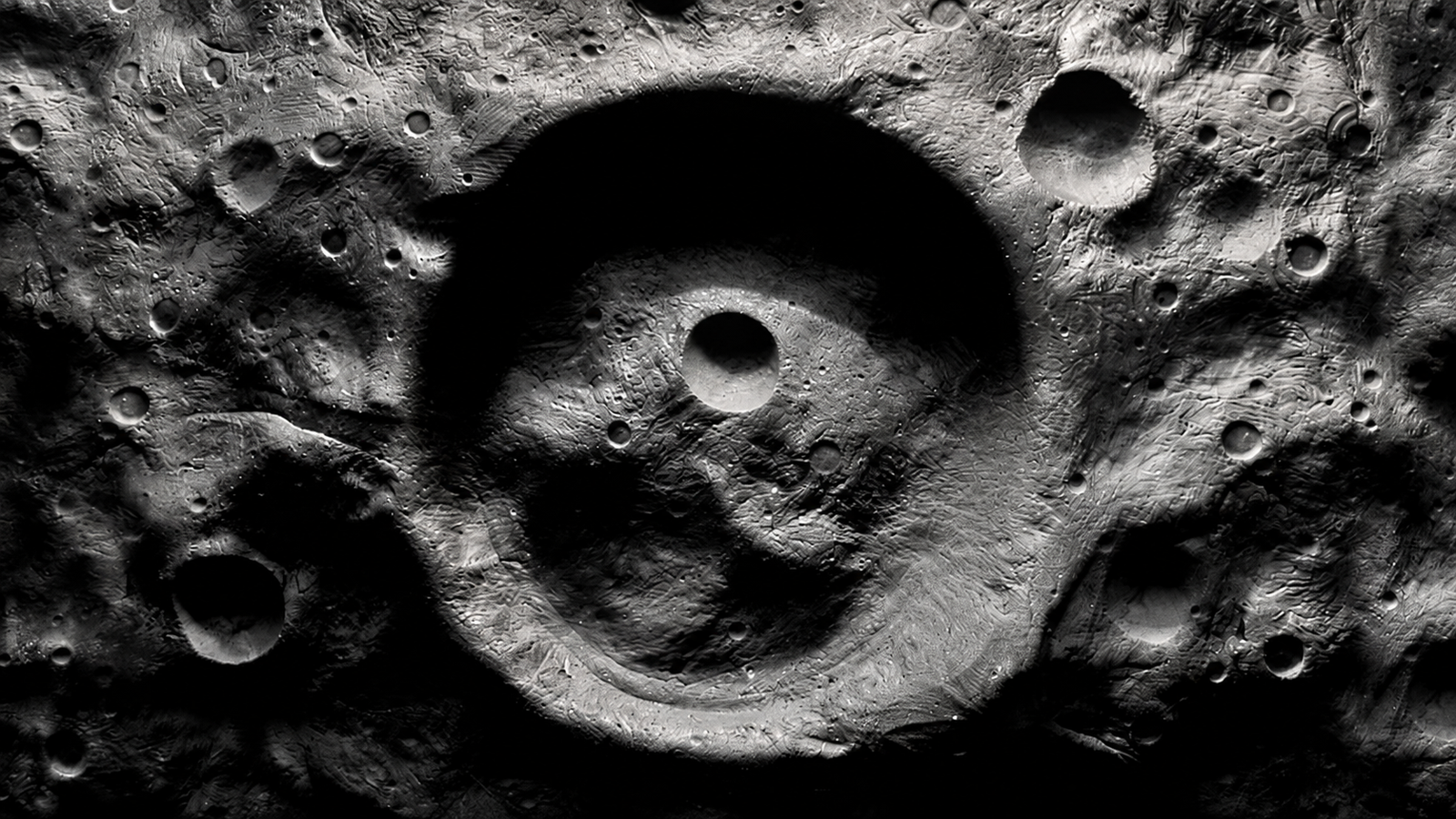
The Moon has fascinated humanity for thousands of years, yet many aspects of its composition remain poorly understood.
Scientists have long known that the lunar surface contains key elements such as:
- Oxygen
- Iron
- Magnesium
- Aluminum
- Silicon
- Sodium
However, existing lunar maps only provide partial information. While missions such as Apollo and India’s Chandrayaan program have returned valuable data and samples, these missions were limited to specific regions.
The challenge is simple: astronauts and robotic landers can only collect samples from locations where they physically land.
As a result, vast areas of the Moon remain chemically unexplored.
A complete elemental map would help scientists answer important questions such as:
- How did the Moon form?
- What geological processes shaped its surface?
- Where are valuable resources located?
- Which regions are best suited for future human settlements?
The Science Behind X-Ray Fluorescence Imaging
The proposed telescope relies on a technique known as X-ray fluorescence imaging.
This method works when solar radiation strikes the lunar surface. Elements on the Moon absorb solar energy and emit characteristic X-rays.
By measuring these X-rays, scientists can determine which elements are present and in what quantities.
Think of it as a giant chemical scanner operating from orbit.
Each element produces a unique X-ray signature:
| Element | Scientific Importance |
|---|---|
| Oxygen | Indicates mineral composition |
| Iron | Reveals volcanic history |
| Magnesium | Helps identify rock formation processes |
| Aluminum | Provides clues about crust development |
| Silicon | Essential for understanding lunar geology |
| Sodium | Tracks surface evolution and space weathering |
Using these signatures, researchers can create detailed chemical maps covering the entire lunar surface.
The Innovation: A Compact Telescope with Massive Potential
Traditional X-ray telescopes are often bulky, expensive, and difficult to deploy.
The TMU research team, led by Airi Toida and Professor Yuichiro Ezoe, tackled this problem by designing a lightweight telescope weighing less than 10 kilograms.
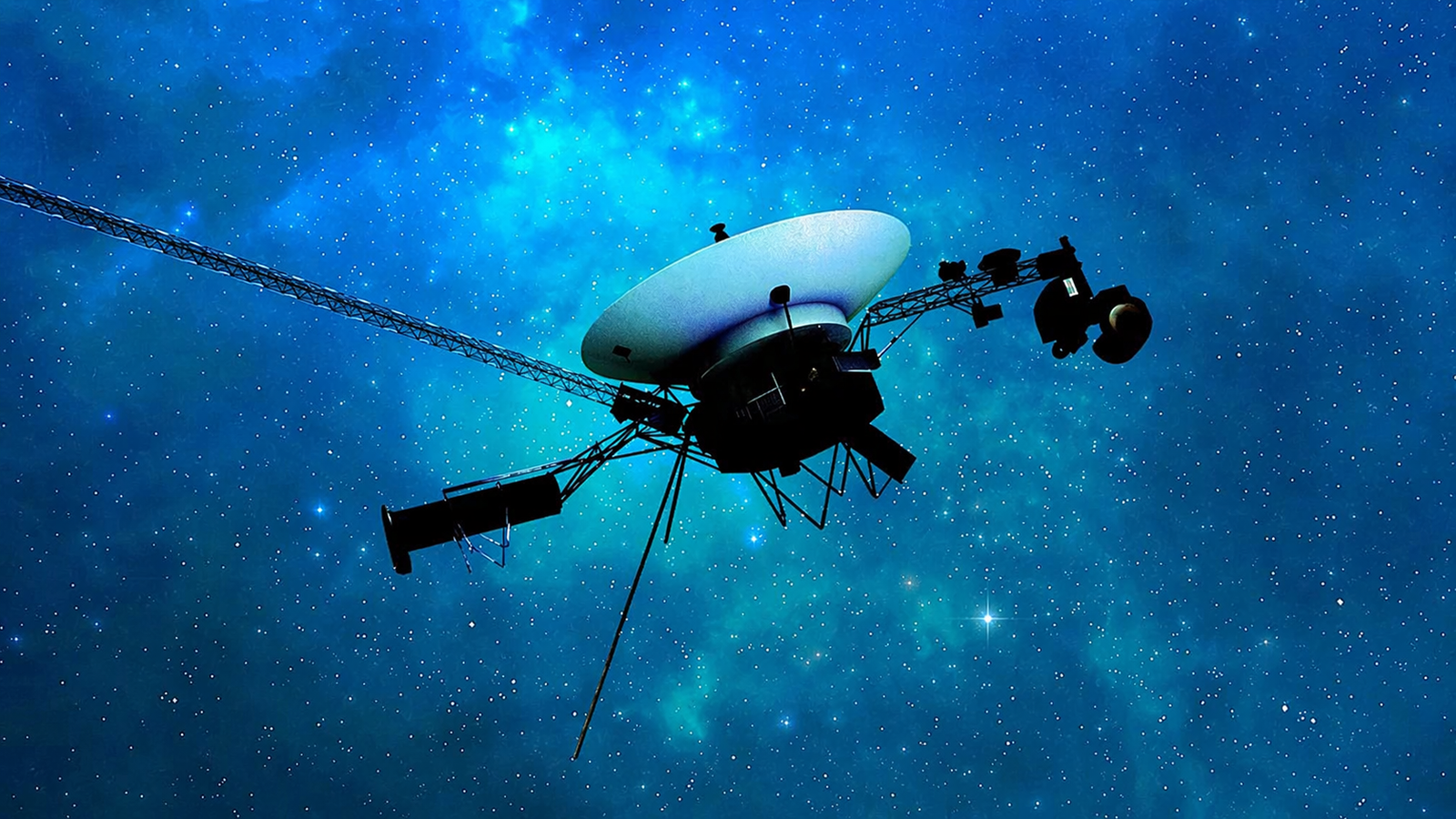
Originally developed for studying Earth’s magnetosphere, the telescope has characteristics that make it ideal for lunar exploration:
Key Advantages
- Extremely lightweight
- High-resolution imaging capability
- Robust radiation resistance
- Wide-area observation coverage
- Long operational lifespan
- Lower launch costs
Unlike conventional systems, this compact design could easily be integrated into future lunar satellite missions.
The telescope has already demonstrated strong performance under radiation conditions even harsher than those expected in lunar orbit.
This durability significantly increases confidence in its long-term operational potential.
Simulations Show Impressive Results
To determine whether the telescope could successfully map the Moon, researchers conducted extensive numerical simulations.
The results were highly encouraging.
Single Telescope Performance
A single telescope unit could:
- Map five major lunar elements
- Cover the entire Moon
- Achieve a grid resolution of 70 × 70 kilometers
- Complete observations in approximately two years
While this achievement alone would represent a major scientific milestone, researchers discovered something even more exciting.
A 25-Telescope Network Could Transform Lunar Science
Because each telescope is so compact, scientists explored the possibility of deploying multiple units on a single spacecraft.
Their simulations suggest that a 5×5 array consisting of 25 telescopes could dramatically improve performance.
Benefits of the 25-Telescope System
- Mission duration reduced from two years to one year
- Improved resolution to 30 × 30 kilometers
- Ability to map sodium distribution
- Greater scientific accuracy
- Faster data collection
This scalability could make the system one of the most efficient lunar observation platforms ever proposed.
Why This Matters for NASA’s Artemis Program
NASA’s Artemis missions aim to establish a sustained human presence on the Moon during the coming decade.
Future lunar bases will require detailed knowledge of local resources.
A complete chemical map could help mission planners identify regions rich in:
- Oxygen-bearing minerals
- Construction materials
- Scientific targets
- Potential water-bearing deposits
- Resource extraction opportunities
In many ways, the telescope could become a critical tool for supporting long-term lunar exploration.
Instead of sending expensive missions to survey unknown terrain, scientists could first analyze global chemical maps and select optimal landing sites.
This would reduce costs, improve mission safety, and maximize scientific returns.
The Bigger Picture: A New Era of Lunar Resource Discovery
The timing of this development is particularly significant.
The Moon is increasingly viewed not only as a scientific destination but also as a strategic resource hub for future deep-space missions.
Governments and private companies are investing billions of dollars into lunar exploration initiatives.
Countries actively pursuing lunar programs include:
- United States
- China
- India
- Japan
- European Union members
As competition and collaboration increase, detailed lunar geochemical data may become one of the most valuable scientific resources available.
The TMU telescope concept demonstrates how innovation can provide massive scientific gains without requiring equally massive spacecraft.
Expert Analysis: Could This Become the Lunar Mapping Standard?
While the telescope remains a concept requiring further development and mission approval, its potential is difficult to ignore.
Several factors increase the likelihood of future adoption:
Growing Demand for Lunar Data
Future exploration missions will require increasingly detailed surface information.
Lower Mission Costs
Compact instruments reduce launch costs significantly.
Commercial Lunar Expansion
Private companies entering the lunar economy will benefit from high-resolution resource maps.
International Collaboration
A global lunar mapping mission could become an attractive international science project.
If successful, this telescope system could become a standard component of future lunar orbital infrastructure.
Challenges That Still Remain
Despite its promise, several challenges must be addressed before deployment.
These include:
- Securing mission funding
- Satellite integration requirements
- Long-term operational testing
- Data processing and management
- Coordination with future lunar missions
However, the simulation results suggest that these challenges are worth tackling given the potentially revolutionary scientific rewards.
The Future of Lunar Exploration Looks Brighter Than Ever
The proposed compact X-ray telescope represents more than just another scientific instrument.
It symbolizes a shift toward smarter, lighter, and more efficient space exploration technologies.
As NASA’s Artemis program prepares to return humans to the Moon and other nations expand their lunar ambitions, tools like this could dramatically accelerate our understanding of Earth’s closest celestial neighbor.
For the first time in history, scientists may soon possess a complete chemical map of the Moon’s surface—a breakthrough that could reshape lunar science, guide future exploration, and support humanity’s next giant leap into space.
Suggested Visuals for This Article
Infographic 1: How X-Ray Fluorescence Imaging Works
Sunlight → Lunar Surface → Element Emits X-Ray → Detector Captures Signal → Chemical Map Generated
Infographic 2: Telescope Performance Comparison
| System | Mission Time | Resolution |
|---|---|---|
| Single Telescope | 2 Years | 70 × 70 km |
| 25-Telescope Array | 1 Year | 30 × 30 km |
Visual Concept
Use a high-quality image showing:
- A satellite orbiting the Moon
- X-ray beams scanning the lunar surface
- A digital chemical map overlay
- NASA Artemis astronauts on the surface
Join the Conversation
Do you think compact satellite technologies like this could become more important than traditional sample-return missions? Could a complete lunar chemical map help accelerate the establishment of permanent Moon bases?
Share your thoughts in the comments below and join the discussion about the future of lunar exploration and humanity’s return to the Moon.