SpaceX Launches 29 Starlink Satellites on Falcon 9 from Cape Canaveral
Successful Falcon 9 Mission Expands Starlink Internet Network
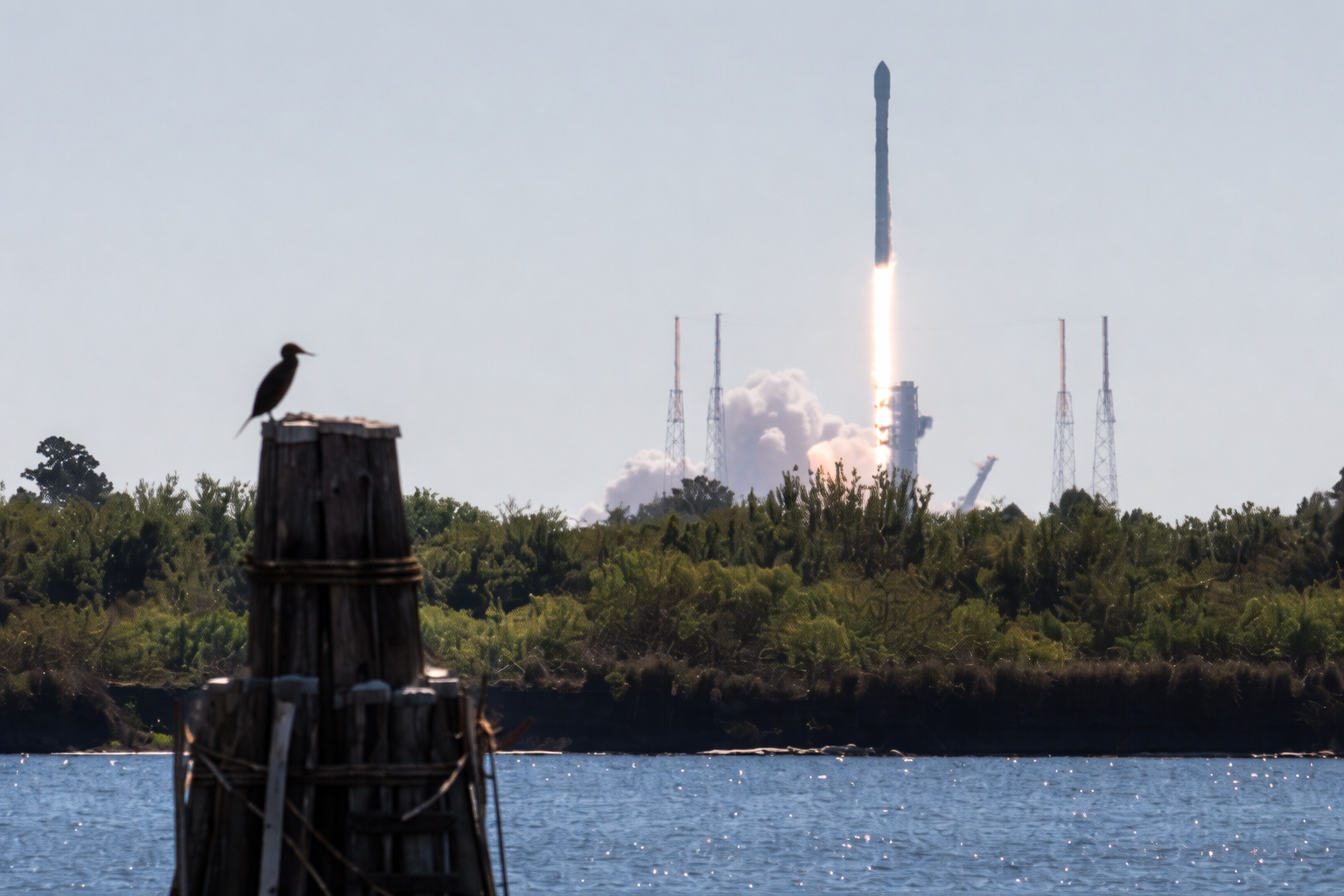
With the successful launch of 29 Starlink satellites on its dependable Falcon 9 rocket, SpaceX has once again proven its supremacy in contemporary spaceflight. Starlink 10-62, the company’s 37th launch of the year, took off from Cape Canaveral Space Force Station at 10:47 a.m. EDT.
This midmorning launch demonstrated SpaceX’s increasing capacity to continue developing its global satellite internet infrastructure while maintaining a fast launch cadence. Following takeoff, the Falcon 9 rocket traveled northeast to ensure that the satellites were positioned optimally in low Earth orbit.
Starlink V2 Mini Satellites Strengthen Global Connectivity
The mission carried 29 Starlink V2 Mini Optimized satellites, a newer generation designed to enhance performance and efficiency. These satellites were successfully deployed into orbit approximately one hour after launch, further strengthening SpaceX’s Starlink network.
The Starlink system aims to provide high-speed internet access across the globe, particularly in remote and underserved areas. With each successful launch, SpaceX moves closer to achieving seamless global coverage, making reliable internet more accessible than ever before.
Falcon 9 Booster Sets Another Reusability Record
A key highlight of this mission was the use of the Falcon 9 first-stage booster B1078. This marked its 27th flight, showcasing the incredible advancements SpaceX has made in reusable rocket technology.
After completing its role in the launch, the booster executed a precise landing on the drone ship A Shortfall of Gravitas, stationed in the Atlantic Ocean. The landing occurred just 8.5 minutes after liftoff, adding another successful recovery to SpaceX’s growing list of achievements.
This milestone represents the 148th landing on this specific drone ship and contributes to SpaceX’s total of 590 booster recoveries. These numbers underline the company’s commitment to reducing spaceflight costs and increasing efficiency through reusability.
Perfect Weather Conditions Ensure Smooth Launch
The launch benefited from near-perfect weather conditions, with the 45th Weather Squadron predicting a 95 percent chance of favorable weather. As expected, there were no meteorological concerns, allowing the mission to proceed without delays.
Such favorable conditions are crucial for launch success, especially when precise timing and trajectory are required for satellite deployment and booster recovery.
Why This Launch Matters for the Future of Space Internet
This mission is another important step in the expansion of the Starlink satellite constellation. As competition in the satellite internet market intensifies, SpaceX continues to lead with frequent launches and cutting-edge technology.
The success of reusable rockets like Falcon 9 not only reduces costs but also sets a new standard for sustainability in space exploration. Meanwhile, the continued deployment of Starlink satellites is helping bridge the digital divide by bringing internet access to regions that previously lacked reliable connectivity.