Crew Journey, Space Views & What’s Next
Explore the Artemis II mission, crew journey, stunning Earth views, moon flyby details, and what lies ahead in NASA’s historic space mission.
Table of Contents
- Introduction
- Artemis II Mission Overview
- Meet the Artemis II Crew
- Launch Day: A Historic Moment
- Stunning Views of Earth from Space
- Life Inside the Orion Spacecraft
- The 685,000-Mile Journey Explained
- Key Milestone: Translunar Injection
- Why Artemis II Matters
- What’s Next for the Mission
- Final Thoughts
Introduction
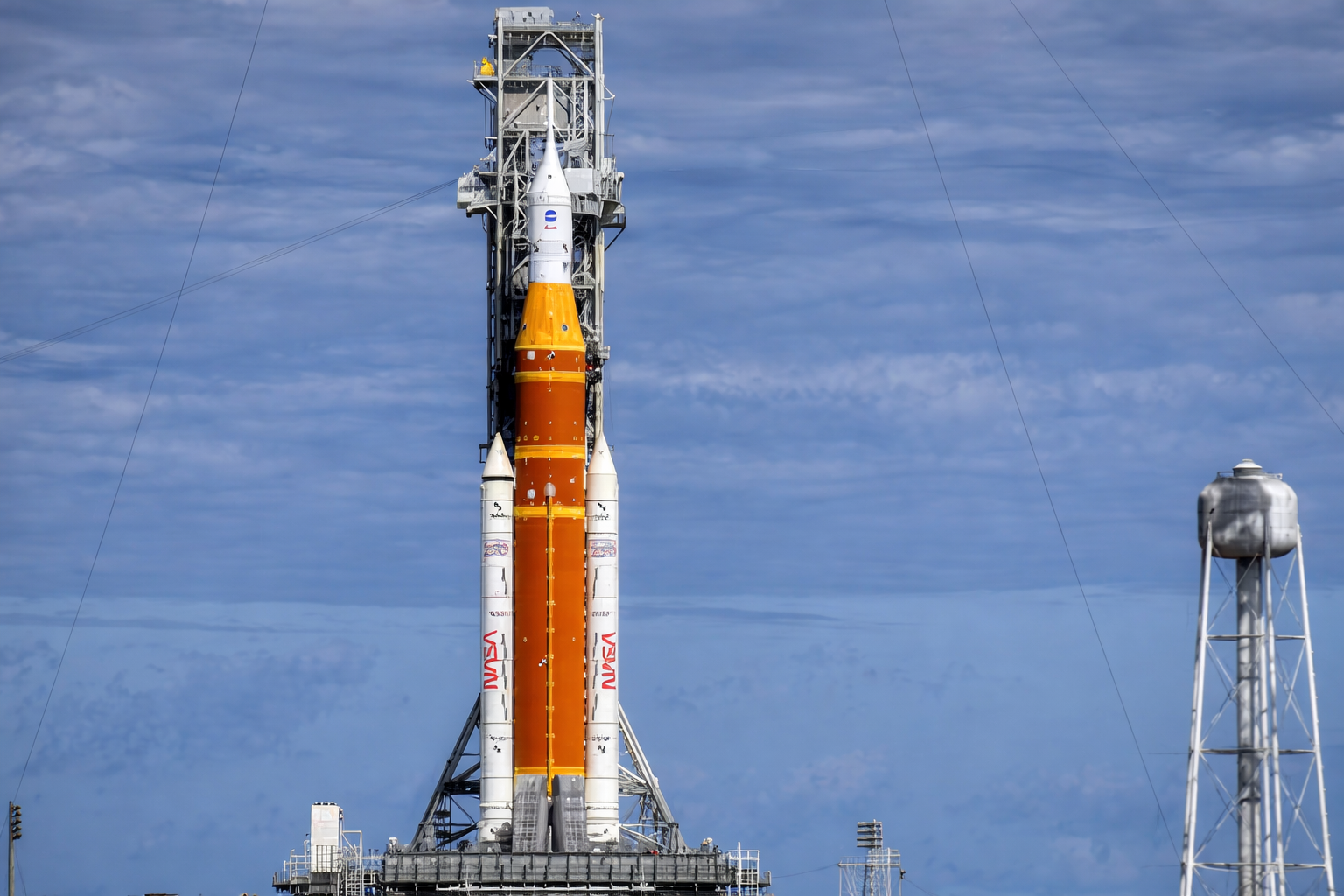
For the first time since the Apollo 17 mission, humans are returning to space beyond low-Earth orbit with the Artemis II mission. This mission, which NASA successfully launched, aims to redefine human space exploration in addition to reaching the Moon.
This 10-day trip, which has a four-person crew on board the Orion spacecraft, offers amazing vistas, technological firsts, and a peek into the future of lunar exploration.
Artemis II Mission Overview
The Artemis II mission is a crewed lunar flyby, meaning astronauts will travel around the Moon without landing.
Key Highlights:
- Duration: 10 days
- Distance: ~685,000 miles
- Spacecraft: Orion
- Objective: Test systems for future Moon landings
This mission lays the groundwork for future Artemis missions, including human landings on the Moon.
Meet the Artemis II Crew
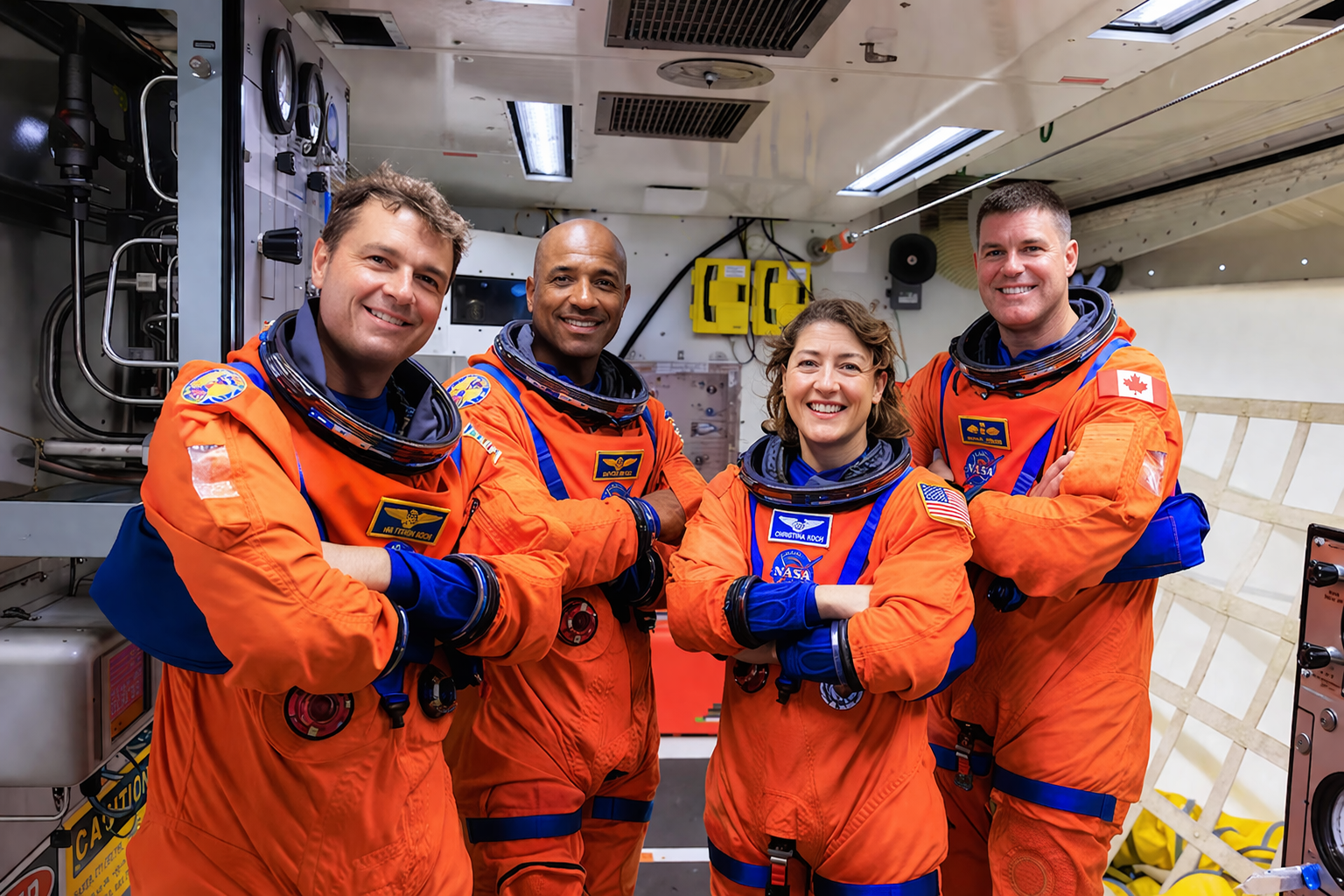
The mission features four highly experienced astronauts:
- Reid Wiseman – Commander
- Victor Glover – Pilot
- Christina Koch – Mission Specialist
- Jeremy Hansen – Mission Specialist
Each crew member brings unique expertise and plays a critical role in mission success.
Launch Day: A Historic Moment
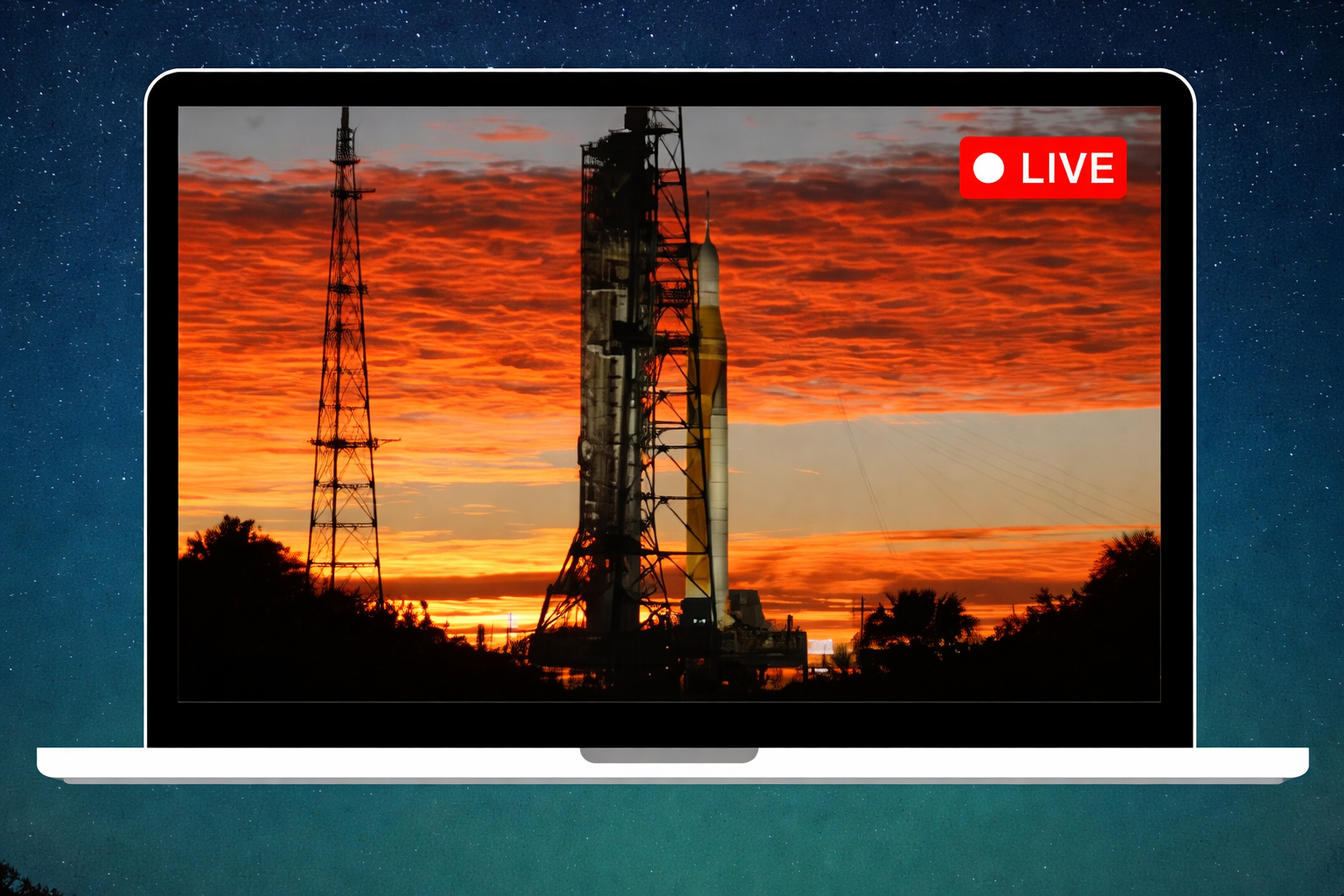
The Artemis II mission launched from Kennedy Space Center at 6:35 p.m. ET.
Crew Reactions:
- A mix of excitement and disbelief
- Intense power during liftoff
- Emotional realization of the mission’s importance
Jeremy Hansen described the moment as surreal, even though the crew had trained for it extensively.
Stunning Views of Earth from Space
One of the most unforgettable moments for the crew was seeing Earth from space.
What They Saw:
- Entire globe from pole to pole
- Continents like Africa and Europe
- The glow of northern lights
Commander Reid Wiseman called it a “spectacular moment” that left the crew in awe.
A Powerful Message
Victor Glover shared a profound perspective:
- Earth appears as one unified world
- No visible borders or divisions
- Humanity seen as one species
This highlights how space exploration can bring people together.
Life Inside the Orion Spacecraft
Living in space comes with challenges—even basic ones.
The Toilet Issue
The Orion spacecraft uses the Universal Waste Management System.
- A fault light appeared early in the mission
- The issue was tested and resolved
- System is now functioning normally
Christina Koch humorously referred to herself as a “space plumber”, emphasizing how critical such systems are.
The 685,000-Mile Journey Explained
The Artemis II crew is traveling on a lunar flyby trajectory.
What This Means:
- The spacecraft will orbit around the Moon
- It will pass the far side of the Moon
- Then return safely to Earth
This journey helps test navigation, communication, and life-support systems.
Key Milestone: Translunar Injection
One of the most critical steps in the mission is the translunar injection burn.
What Happened:
- Orion fired its engines to leave Earth’s orbit
- It entered a trajectory toward the Moon
According to NASA officials, the maneuver was flawless.
Why It Matters:
- Sets the path for the entire mission
- Relies on precise orbital mechanics
- Determines success of lunar flyby
Why Artemis II Matters
The Artemis II mission is more than just a spaceflight.
Key Importance:
- First human mission beyond low-Earth orbit in 50+ years
- Tests systems for future Moon landings
- Strengthens international collaboration
It also inspires a new generation of scientists and engineers.
What’s Next for the Mission
As the mission progresses, the crew will:
- Continue their journey toward the Moon
- Fly around the lunar far side
- Collect data for future missions
- Return safely to Earth
This mission is a stepping stone toward:
- Artemis III (planned Moon landing)
- Long-term lunar presence
- Future Mars missions
External Resources for Learning
To explore more about space technology and AI:
- Google – Space data & AI research
- NVIDIA – Advanced computing & simulations
Internal Linking Suggestions
(Add to your blog)
- “NASA Artemis Program Explained”
- “How Spacecraft Travel to the Moon”
- “Top Space Missions of the Decade”
Featured Snippet Optimization
What is the Artemis II mission?
The Artemis II mission is NASA’s first crewed lunar flyby mission in over 50 years, sending four astronauts around the Moon and back to Earth.
Final Thoughts
The Artemis II mission is a powerful reminder of what humanity can achieve. From breathtaking Earth views to complex space maneuvers, this journey is shaping the future of space exploration.
As the world watches, this mission is not just about reaching the Moon—it’s about uniting humanity and pushing the boundaries of possibility.