A Major Leap Into the Space Technology Industry
Foxconn’s PEARL-1 Satellites Successfully Launched on SpaceX Falcon 9 Rocket
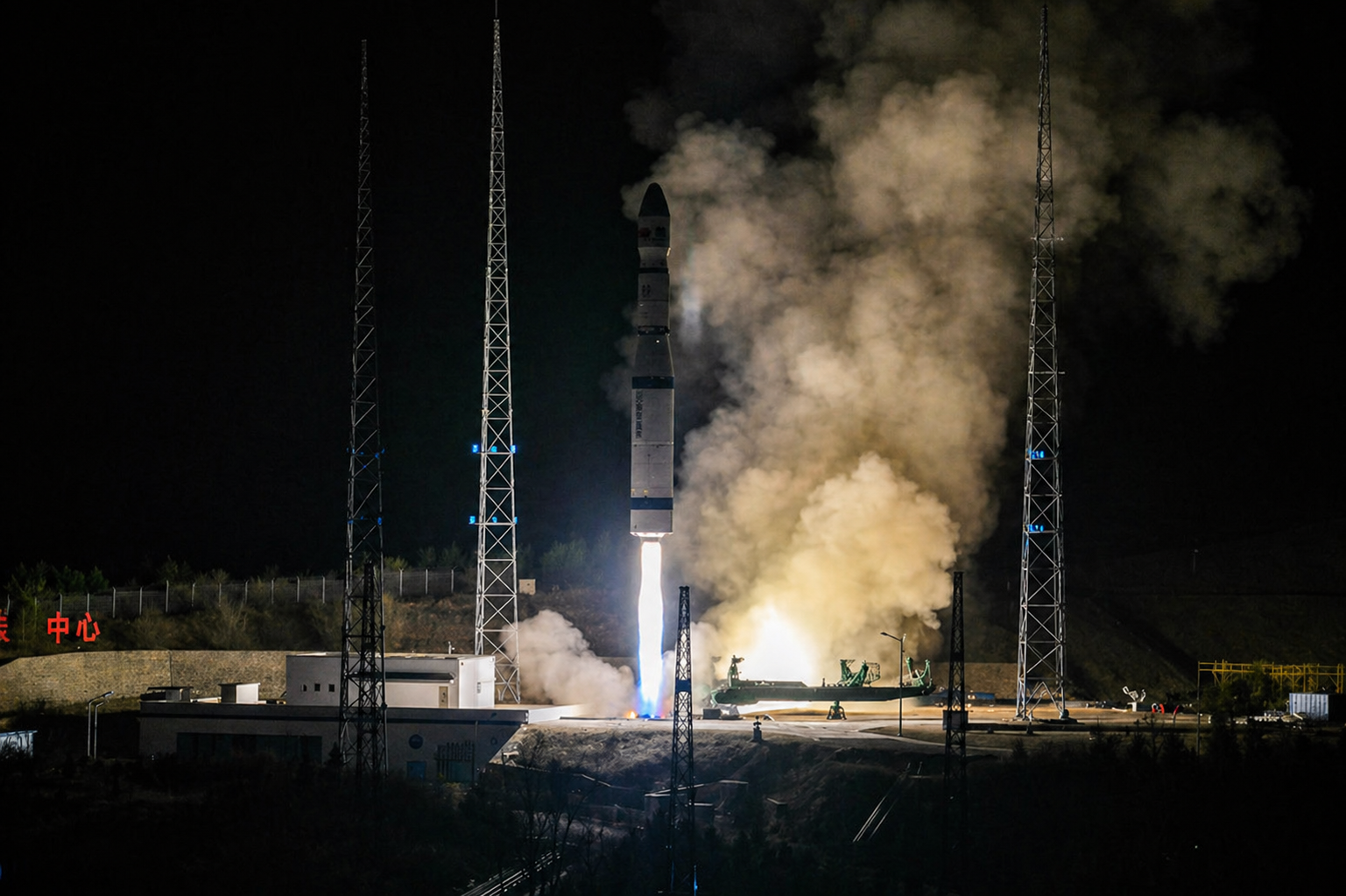
In a significant move that highlights its ambitions beyond electronics manufacturing, Foxconn has successfully launched its second-generation low-Earth orbit (LEO) satellites aboard a SpaceX Falcon 9 rocket. The launch took place from California, marking a key milestone in the company’s growing footprint in the space technology sector.
The satellites, named PEARL-1A and PEARL-1B, are part of Foxconn’s broader strategy to expand into satellite communications, space science, and advanced technology development. This successful deployment demonstrates how traditional manufacturing giants are now entering the competitive world of space innovation and LEO satellite technology.
PEARL-1A and PEARL-1B Satellites – Mission and Objectives
The newly launched PEARL-1 satellites are designed to operate in low-Earth orbit (LEO), a region increasingly important for modern satellite communication systems and space-based research. According to Foxconn, both satellites have successfully reached their intended orbits and are now set to begin their operational phase.
These satellites are expected to:
- Conduct on-orbit missions for up to five years
- Test and validate advanced payload technologies
- Support research in communication systems and space science
The mission of PEARL-1A and PEARL-1B is not just about deployment—it is about proving the viability of next-generation satellite payload systems that could be used in future commercial and scientific applications.
SpaceX Falcon 9 – The Backbone of Modern Satellite Launches
The launch was carried out using the highly reliable Falcon 9 rocket developed by SpaceX. Known for its reusability and cost efficiency, Falcon 9 has become a preferred choice for companies looking to deploy satellites into orbit.
Key advantages of Falcon 9 include:
- Reusable first-stage boosters, reducing launch costs
- High success rate in orbital missions
- Capability to carry multiple payloads simultaneously
By partnering with SpaceX, Foxconn benefits from a proven launch platform that ensures reliability and precision in placing satellites into low-Earth orbit.
Foxconn’s Expansion Into Space Technology
Traditionally known as a global leader in electronics manufacturing, Foxconn’s move into space technology and satellite development signals a major strategic shift. The company is leveraging its expertise in hardware engineering, precision manufacturing, and advanced electronics to enter the rapidly growing space industry.
This expansion aligns with global trends where companies are investing in:
- Satellite internet infrastructure
- Space-based communication networks
- Scientific research in orbit
Foxconn’s entry into the LEO satellite market places it alongside major players aiming to shape the future of global connectivity and space exploration.
Why Low-Earth Orbit (LEO) Satellites Matter
The focus on low-Earth orbit satellites is no coincidence. LEO satellites are becoming the backbone of modern communication networks and space services due to their unique advantages.
Key benefits of LEO satellites include:
- Lower latency for communication systems
- Faster data transmission compared to higher orbits
- Better support for real-time applications like internet services and AI systems
With companies worldwide investing heavily in LEO satellite constellations, Foxconn’s PEARL-1 mission positions it within a critical segment of the space economy.
Advanced Payload Testing – A Step Toward Future Innovation
One of the primary goals of the PEARL-1 mission is to validate payload technologies used in satellites. Payloads are the core components responsible for performing tasks such as data transmission, imaging, and scientific measurements.
Foxconn’s satellites will test:
- Communication payload systems
- Equipment for space science experiments
- New technologies for future satellite networks
This testing phase is crucial for ensuring that future satellite systems are more efficient, reliable, and capable of handling the demands of modern digital communication and AI-driven applications.
The Growing Competition in the Satellite Industry
The global satellite and space technology market is expanding rapidly, with companies competing to build the next generation of space-based infrastructure. Major players are investing billions into LEO satellite constellations, aiming to provide global internet coverage and advanced data services.
Foxconn’s entry into this market reflects:
- Increasing demand for satellite communication systems
- Growth in private space exploration initiatives
- Rising importance of space-based technologies in everyday life
By launching PEARL-1A and PEARL-1B, Foxconn is positioning itself as a serious contender in this competitive and fast-evolving industry.
What This Means for the Future of Space Technology
The successful launch of Foxconn’s satellites represents more than just a technological achievement—it signals a broader shift in how industries are approaching space innovation.
Key implications include:
- More non-traditional companies entering the space sector
- Increased collaboration between manufacturers and aerospace firms
- Faster development of advanced satellite technologies
As companies like Foxconn continue to invest in space research and satellite development, we can expect significant advancements in global connectivity, AI integration, and scientific discovery.
Final Thoughts – Foxconn’s Bold Step Into Orbit
The launch of the PEARL-1A and PEARL-1B satellites aboard the SpaceX Falcon 9 rocket marks a pivotal moment for Foxconn and the broader space technology industry. With a clear focus on innovation, payload testing, and long-term missions, the company is taking meaningful steps toward establishing itself in the LEO satellite ecosystem.
As the demand for satellite communication, space science, and AI-powered technologies continues to grow, Foxconn’s move could open new opportunities not just for the company, but for the entire global tech and space industry.